

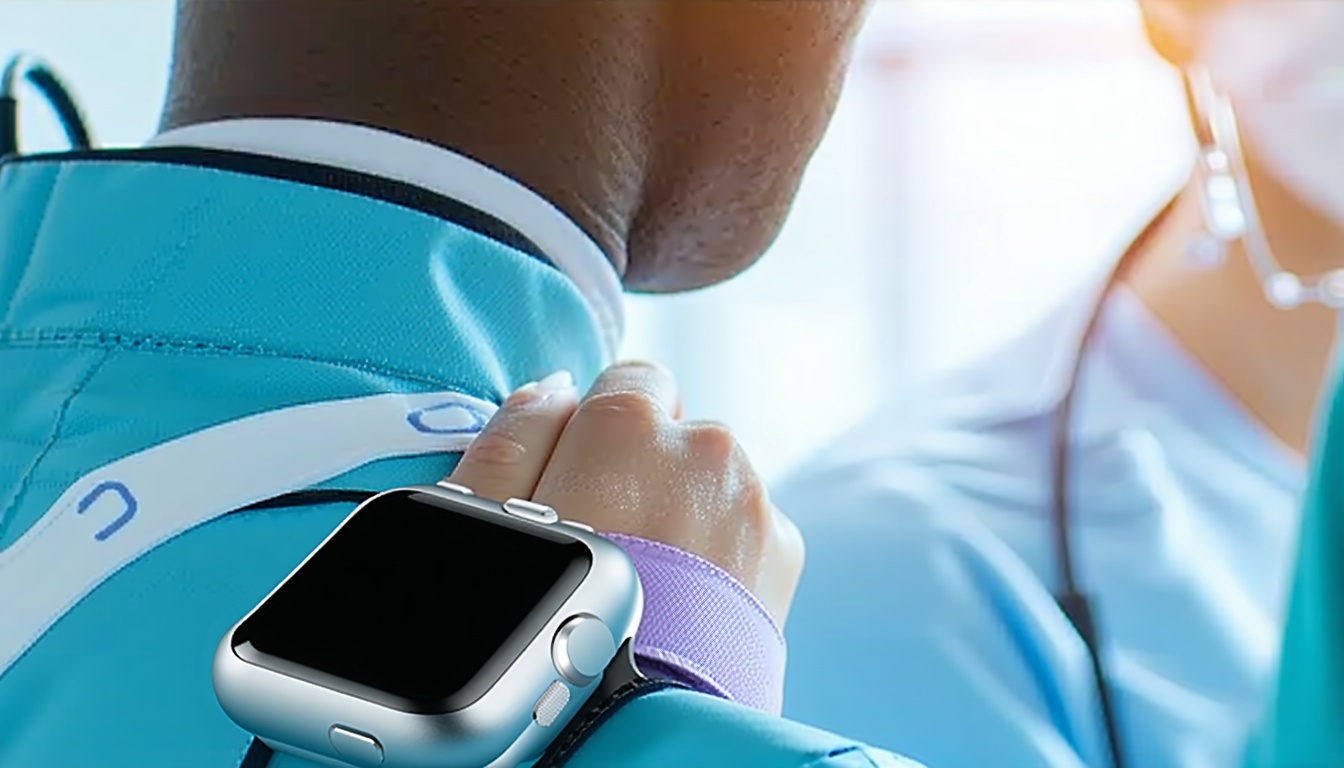
Telemedicine and Wearables Integration
The Intersection of Telemedicine and Wearable Health Tech
The integration of wearables in telemedicine represents a significant advancement in healthcare delivery. Wearable health technology includes devices that monitor various health metrics, such as heart rate, blood pressure, and physical activity. These devices collect real-time data, which can be transmitted to healthcare providers for analysis and intervention. This intersection enhances the ability to provide continuous care, especially for patients with chronic conditions.
Wearable devices can be categorized into several types, including fitness trackers, smartwatches, and medical-grade monitors. Each type serves a unique purpose in patient monitoring and can be tailored to meet specific healthcare needs. The following table outlines common types of wearable health devices and their primary functions:
| Device Type | Primary Function |
|---|---|
| Fitness Trackers | Activity tracking, heart rate monitoring |
| Smartwatches | Notifications, health monitoring |
| Medical Monitors | Continuous vital sign monitoring |
Benefits of Integrating Wearables in Telemedicine
Integrating wearables in telemedicine offers numerous advantages for both patients and healthcare providers. Some key benefits include:
- Enhanced Patient Monitoring: Continuous data collection allows for real-time monitoring of patients’ health, leading to timely interventions.
- Improved Patient Engagement: Wearable devices encourage patients to take an active role in their health management, fostering better adherence to treatment plans.
- Data-Driven Insights: The data collected from wearables can provide valuable insights into patient health trends, enabling personalized care strategies.
- Reduced Healthcare Costs: By facilitating remote monitoring, wearables can help reduce the need for in-person visits, lowering overall healthcare expenses.
The following table summarizes the benefits of integrating wearables in telemedicine:
| Benefit | Description |
|---|---|
| Enhanced Patient Monitoring | Real-time health data for timely interventions |
| Improved Patient Engagement | Encourages active participation in health management |
| Data-Driven Insights | Personalized care strategies based on health trends |
| Reduced Healthcare Costs | Decreased need for in-person visits |
The integration of wearable health technology into telemedicine not only improves patient outcomes but also streamlines healthcare processes. For startups looking to implement these solutions, understanding the potential of wearable health technology integration is essential for success in the evolving healthcare landscape.
Wearable Health Technology Overview
Wearable health technology has become a vital component in the integration of telemedicine. These devices enable continuous monitoring of patients’ health metrics, providing valuable data for healthcare providers. This section will explore the various types of wearable health devices and their data collection and monitoring capabilities.
Types of Wearable Health Devices
Wearable health devices come in various forms, each designed to monitor specific health parameters. Below is a table summarizing the most common types of wearable health devices:
| Device Type | Description | Common Uses |
|---|---|---|
| Fitness Trackers | Devices that monitor physical activity and steps | Activity tracking, calorie counting |
| Smartwatches | Multi-functional devices with health monitoring features | Heart rate monitoring, notifications |
| Heart Rate Monitors | Devices specifically designed to track heart rate | Cardiac health monitoring |
| Continuous Glucose Monitors | Devices that track blood glucose levels | Diabetes management |
| Blood Pressure Monitors | Wearable devices that measure blood pressure | Hypertension management |
| Sleep Trackers | Devices that monitor sleep patterns and quality | Sleep analysis |
These devices play a crucial role in remote patient monitoring wearables by providing real-time data that can be shared with healthcare professionals.
Data Collection and Monitoring Capabilities
Wearable health devices are equipped with advanced sensors that collect a wide range of health data. The following table outlines the key data collection capabilities of these devices:
| Data Type | Description | Importance |
|---|---|---|
| Heart Rate | Measures beats per minute | Indicates cardiovascular health |
| Activity Level | Tracks steps, distance, and calories burned | Assesses physical fitness |
| Blood Glucose Levels | Monitors glucose levels in real-time | Essential for diabetes management |
| Blood Pressure | Measures systolic and diastolic pressure | Monitors cardiovascular health |
| Sleep Quality | Analyzes sleep duration and cycles | Important for overall health |
The integration of these devices into telemedicine platforms enhances patient care by allowing for continuous monitoring and timely interventions. For more information on the benefits of wearable health technology, refer to our article on healthcare wearables for telemedicine. Understanding these capabilities is essential for startups looking to implement wearable health technology integration in their telemedicine solutions.
Challenges and Considerations
Integrating wearables in telemedicine presents several challenges that must be addressed to ensure successful implementation. These challenges include data security and privacy concerns, interoperability and integration issues, and user adoption and engagement.
Data Security and Privacy Concerns
The use of wearable devices in telemedicine raises significant data security and privacy issues. As these devices collect sensitive health information, it is crucial to protect this data from unauthorized access and breaches. Healthcare providers must comply with regulations such as HIPAA to ensure patient data is handled securely.
| Concern | Description |
|---|---|
| Data Breaches | Unauthorized access to sensitive health information can lead to identity theft and loss of patient trust. |
| Compliance | Adhering to regulations like HIPAA is essential for protecting patient data. |
| User Trust | Patients must feel confident that their data is secure to engage with telemedicine services. |
Interoperability and Integration Issues
Another challenge is ensuring that wearable devices can seamlessly integrate with existing telemedicine platforms. Interoperability between different systems and devices is vital for effective data sharing and communication. Without proper integration, valuable health data may remain siloed, limiting its usefulness.
| Issue | Description |
|---|---|
| System Compatibility | Different devices and platforms may not communicate effectively, hindering data flow. |
| Standardization | Lack of industry standards can complicate integration efforts. |
| Data Fragmentation | Isolated data can lead to incomplete patient profiles, affecting care quality. |
User Adoption and Engagement
For wearables to be effective in telemedicine, user adoption and engagement are critical. Patients must be willing to use these devices regularly and understand their benefits. Barriers such as lack of technical knowledge, perceived complexity, and concerns about data privacy can hinder adoption.
| Barrier | Description |
|---|---|
| Technical Knowledge | Patients may struggle to use wearable devices if they lack technical skills. |
| Perceived Complexity | If devices are seen as complicated, patients may be reluctant to use them. |
| Privacy Concerns | Worries about data security can deter patients from engaging with wearable technology. |
Addressing these challenges is essential for startups looking to implement wearable health technology integration in telemedicine. By focusing on data security, interoperability, and user engagement, they can create a more effective remote patient monitoring system. For more insights on wearable health technology integration, visit our article on wearable health technology integration.
Implementing Wearables in Telemedicine
Integrating wearables in telemedicine involves a systematic approach to ensure that the technology enhances patient care and streamlines healthcare processes. This section outlines the integration process and best practices for achieving seamless implementation.
Integration Process Overview
The integration of wearable health technology into telemedicine requires several key steps. These steps ensure that the devices function effectively within the healthcare ecosystem and provide valuable data for patient monitoring.
| Step | Description |
|---|---|
| 1. Needs Assessment | Identify the specific needs of the healthcare providers and patients to determine which wearables will be most beneficial. |
| 2. Device Selection | Choose appropriate wearable devices that align with the identified needs. Consider factors such as data accuracy, user-friendliness, and compatibility with existing systems. |
| 3. Data Integration | Develop a framework for integrating data from wearables into the telemedicine platform. This may involve using APIs or other data-sharing protocols. |
| 4. Testing and Validation | Conduct thorough testing to ensure that the integration works as intended and that data is accurately captured and transmitted. |
| 5. Training and Support | Provide training for healthcare providers and patients on how to use the wearables effectively. Offer ongoing support to address any issues that arise. |
Best Practices for Seamless Integration
To ensure a successful integration of wearable technology in telemedicine, several best practices should be followed. These practices help to enhance user experience and improve patient outcomes.
Focus on User Experience: Design the integration process with the end-user in mind. Ensure that the wearable devices are easy to use and that the data collected is presented in a clear and actionable format.
Prioritize Data Security: Implement robust security measures to protect patient data. This includes encryption, secure data storage, and compliance with regulations such as HIPAA.
Ensure Interoperability: Choose wearable devices that can easily integrate with existing telemedicine platforms. This reduces the risk of data silos and enhances the overall functionality of the healthcare system.
Engage Stakeholders: Involve healthcare providers, patients, and technology developers in the integration process. Their feedback can provide valuable insights and help to identify potential challenges early on.
Monitor and Evaluate: Continuously monitor the performance of the integrated system. Collect feedback from users and make necessary adjustments to improve functionality and user satisfaction.
By following these steps and best practices, startups can effectively implement wearable health technology in telemedicine, enhancing remote patient monitoring capabilities. For more information on wearable health technology integration, visit our article on wearable health technology integration. Additionally, explore the benefits of healthcare wearables for telemedicine to understand how these devices can transform patient care.
Future Trends and Opportunities
Advancements in Wearable Health Technology
The landscape of wearable health technology is rapidly evolving, with significant advancements enhancing their capabilities. These innovations are crucial for improving patient care and outcomes in telemedicine. Key trends include:
| Advancement | Description |
|---|---|
| Enhanced Sensors | New sensors are being developed to monitor a wider range of health metrics, including glucose levels, hydration, and stress indicators. |
| AI Integration | Artificial intelligence is being integrated into wearables to analyze data in real-time, providing actionable insights for both patients and healthcare providers. |
| Improved Battery Life | Advances in battery technology are allowing wearables to operate longer without needing frequent recharging, increasing user convenience. |
| Miniaturization | Devices are becoming smaller and more comfortable, making them easier for patients to wear throughout the day. |
These advancements are paving the way for more effective remote patient monitoring wearables that can seamlessly integrate into telemedicine platforms.
Potential Impact on Telemedicine Industry
The integration of wearables in telemedicine is expected to have a profound impact on the industry. Some potential effects include:
| Impact | Description |
|---|---|
| Increased Patient Engagement | Wearables encourage patients to take an active role in their health management, leading to better adherence to treatment plans. |
| Enhanced Data Collection | Continuous monitoring provides healthcare providers with a wealth of data, enabling more personalized care and timely interventions. |
| Cost Reduction | By reducing the need for in-person visits and hospitalizations, wearables can help lower healthcare costs for both providers and patients. |
| Improved Health Outcomes | Real-time data allows for quicker responses to health issues, potentially leading to better overall health outcomes for patients. |
As the telemedicine landscape continues to evolve, the role of healthcare wearables for telemedicine will become increasingly significant. Startups looking to harness these opportunities should consider the importance of wearable health technology integration in their strategies.
Hiring Software Developers for AI Solutions
In the rapidly evolving field of telemedicine, particularly in the integration of wearables, hiring the right software developers is crucial for success. Startups must focus on specific skills and expertise to ensure effective implementation of AI solutions.
Skills and Expertise Needed
When seeking software developers for AI solutions in telemedicine, it is essential to identify key skills that will contribute to the integration of wearables. The following table outlines the critical skills and their importance:
| Skill | Importance |
|---|---|
| Machine Learning | Enables the development of algorithms that can analyze data from wearables. |
| Data Analysis | Essential for interpreting health data collected from wearable devices. |
| Software Development | Fundamental for creating and maintaining applications that integrate with wearables. |
| API Integration | Necessary for connecting wearable devices with telemedicine platforms. |
| Cybersecurity | Critical for ensuring the protection of sensitive health data. |
| User Experience (UX) Design | Important for creating intuitive interfaces for both patients and healthcare providers. |
Developers should also have experience with wearable health technology integration and an understanding of the healthcare landscape, particularly regarding remote patient monitoring wearables.
Finding the Right Talent
Finding the right talent involves a strategic approach. Startups should consider the following methods to attract qualified software developers:
- Job Boards and Platforms: Utilize specialized job boards that focus on tech and healthcare sectors. Websites like GitHub Jobs and Stack Overflow can be effective.
- Networking Events: Attend industry conferences and meetups to connect with potential candidates who have a passion for healthcare technology.
- Internship Programs: Establish internship programs to identify and train promising talent who can transition into full-time roles.
- Collaboration with Universities: Partner with academic institutions that offer programs in computer science and healthcare technology to tap into emerging talent.
- Freelance Platforms: Explore freelance platforms to find developers with specific expertise in AI and telemedicine projects.
By focusing on these strategies, startups can enhance their chances of hiring skilled developers who can contribute to the successful integration of wearables in telemedicine. For more insights on the types of devices involved, refer to our article on telemedicine wearable devices and explore the potential of healthcare wearables for telemedicine.
Want to grow your business online with smarter strategies? Kara Digital offers data-driven digital marketing services and powerful AI solutions to help you scale faster and more efficiently. Let’s turn your vision into measurable success.