

The Experience Gap: Why Consistency Feels Impossible
Customers are craving experiences and businesses are finding it harder to deliver them consistently. The parent topic is clear: expectations have never been higher, yet channels multiply and teams operate in silos. A customer might see a polished ad, visit a clunky website, call a frustrated agent, then walk into a store that feels like a different company. That gap erodes trust fast. The keyword here is consistent brand experience across channels, and it is not a nice-to-have—it is the baseline for loyalty. When every touchpoint feels connected, customers relax and buy more. When they do not, they leave quietly and tell others.

What a Consistent Brand Experience Across Channels Actually Means
A consistent brand experience across channels does not mean every channel is identical. It means the same brand promise, tone, and quality follow the customer from mobile app to phone call to physical store. Think of it as a single conversation that continues across time and place. The visual identity stays recognisable, but more importantly, the behaviour stays predictable. A customer should never have to re-explain their issue or wonder if they are dealing with the same company. Consistency creates mental shortcuts: customers know what to expect, and that certainty reduces friction, anxiety, and effort. That is why leading brands treat consistency as a strategic asset, not just a design rule.

The Business Case: Loyalty, Revenue, and Trust
The business case is straightforward. Consistent experiences build trust, and trust drives repeat purchases and referrals. When a customer gets the same helpful answer on chat, email, or in person, they feel valued. That feeling translates into higher lifetime value and lower acquisition costs. Inconsistent experiences do the opposite: they create doubt, increase support costs, and fuel negative reviews. Studies repeatedly show that customers will pay a premium for reliability. For UK businesses especially, where competition is fierce and switching costs are low, consistency is a differentiator. It turns occasional buyers into advocates who return without thinking. That loyalty compounds over time, making every channel investment more effective. When consistency slips, customers notice the smallest details.

Common Barriers to Channel Consistency (and How to Break Them)
Several barriers make consistency hard to maintain. First, channel silos: marketing, sales, and support often use different tools and metrics. Second, legacy systems that do not share data, so a customer’s history disappears between departments. Third, inconsistent training, where new hires learn from whoever is nearby. Fourth, a lack of shared standards, leaving agents to improvise. To break these barriers, start by mapping the customer journey end to end. Identify moments where handoffs fail. Then create a single source of truth for customer data and a simple playbook for every channel. Finally, appoint a cross-functional owner who is accountable for the whole experience, not just one channel. That ownership alone can expose hidden inconsistencies. That is how fragmented experiences become the norm.
Technology That Connects the Dots
Technology can either fragment or unify the experience. The right tools connect data, automate routine tasks, and give every team the same view of the customer. For example, AI Agents for Customer Service: A Smart Investment for Growth can handle repetitive queries across chat, email, and social media with the same tone and accuracy. That frees human agents to focus on complex, emotional conversations. When AI is trained on your brand voice and integrated with your CRM, it becomes a consistency engine. Customers get instant, reliable answers at 2am or 2pm, without repeating themselves. The key is to choose platforms that share context, not just channels. AI Agents for Customer Service: A Smart Investment for Growth explains how to evaluate that fit. Consistency at scale is achievable when technology serves the brand, not the other way around.
People, Process, and Standards
People and process matter as much as technology. Staff need clear standards, regular coaching, and the authority to solve problems. Transforming Customer Service with Intelligent Virtual Agents shows how virtual agents can support human teams by handling routine questions and escalating seamlessly. But without engaged employees, even the best tools fail. Create a one-page experience charter that defines your brand’s tone, promises, and non-negotiables. Train every customer-facing team on it, from social media managers to store associates. Then reward consistency, not just speed. When employees feel ownership, they deliver the same care whether they are on the phone or face to face. That human consistency is what customers remember. Transforming Customer Service with Intelligent Virtual Agents offers practical steps for blending automation with human empathy.
Measuring and Sustaining Consistency
Consistency is not a one-time project; it is a habit. Measure it with metrics that cross channels: first-contact resolution, effort score, and sentiment after each interaction. Audit journeys quarterly, not annually. Use customer feedback to find where the experience breaks down, then fix the root cause, not just the symptom. Set up a simple dashboard that shows how each channel performs against the same standards. Celebrate teams that maintain consistency under pressure. To go deeper, Karadigital helps businesses design and sustain connected customer experiences. Remember: customers do not think in channels. They think in feelings. Deliver a consistent feeling, and you win their loyalty across every touchpoint.
FAQ
Why is it so hard to maintain customer experience consistency?
Because most businesses organise teams by channel, not by customer journey. Marketing, sales, and support use different tools, data, and incentives. Handoffs lose context. Staff turnover and inconsistent training add variation. Without a single owner and shared standards, each team optimises locally. Technology silos make it worse. The result is a patchwork experience that feels disjointed to customers, even when each team believes it is doing well.
What is the gap between customer expectations and experience delivery?
Customers expect seamless, personalised, fast interactions across every channel. Businesses often deliver fragmented service, repeat requests, and long waits. That gap is the difference between what customers anticipate and what they actually receive. It matters because expectations rise faster than delivery capabilities. Closing the gap requires listening to feedback, mapping journeys, and fixing root causes rather than blaming front-line staff.
How can retailers improve customer experience consistency?
Start by aligning online and in-store data so staff can see purchase history and preferences. Create a single service playbook covering returns, queries, and complaints. Train store teams and contact centre agents together. Use click-and-collect and digital receipts to bridge channels. Measure effort and sentiment after each interaction. Then empower staff to resolve issues without escalation. Consistency comes from shared standards, not identical scripts.
What tools help deliver a consistent omnichannel customer experience?
Look for a unified CRM that stores customer history across web, phone, email, chat, and social. Add a customer data platform to merge profiles. Use AI-powered virtual agents for routine queries, with seamless handover to humans. Choose helpdesk software with shared inboxes and workflows. Finally, deploy experience analytics to track sentiment and effort. The best tools share context automatically, so customers never repeat themselves. Integration matters more than brand names.
How can I keep customer experience consistent online and in-store?
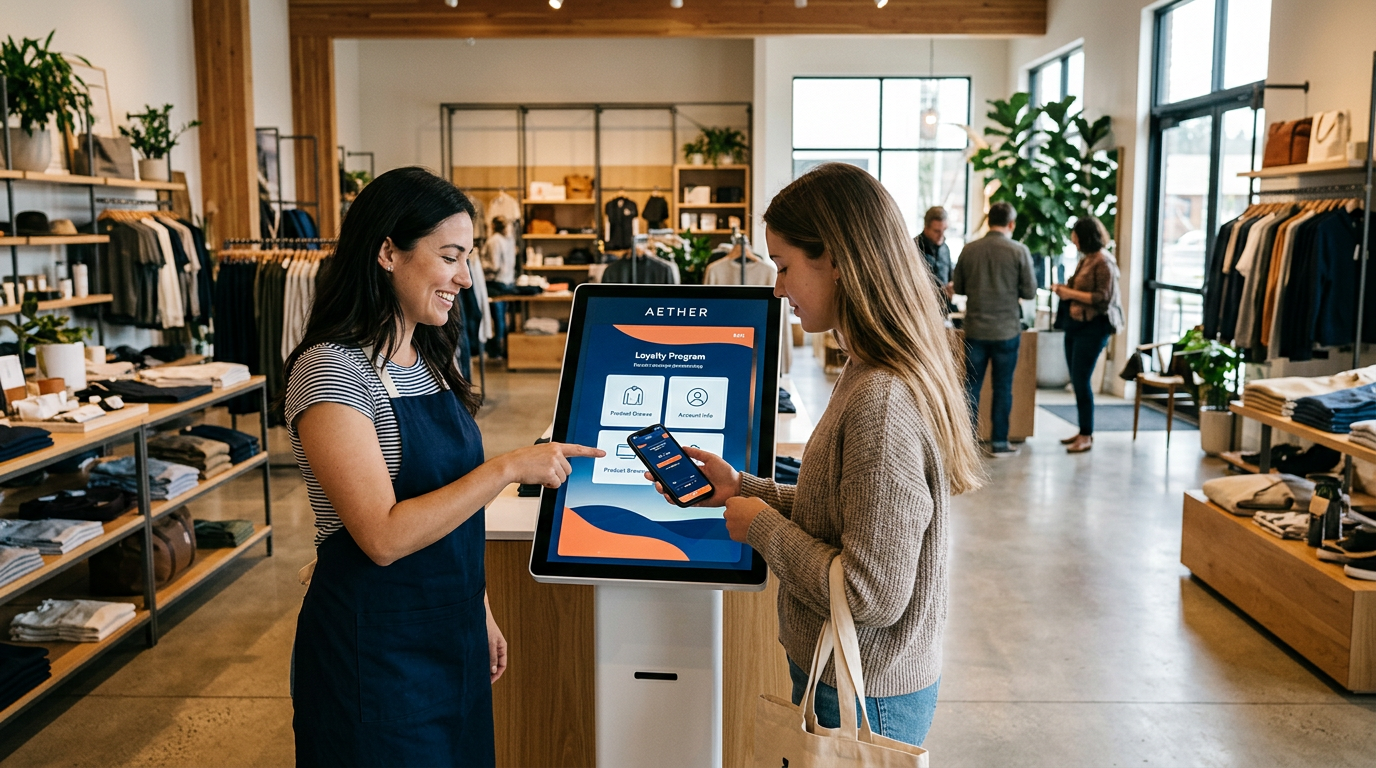
Define brand behaviours that apply everywhere, such as greeting style, response times, and problem ownership. Train online and in-store teams together. Give store staff access to the same customer data as contact centre agents. Use QR codes or apps to link physical visits to digital profiles. Audit both environments with the same checklist. Celebrate examples of consistency. When online and offline teams share goals, the experience feels seamless.
How do I train staff to deliver consistent customer service?
Build a one-page experience charter and use it in onboarding and refreshers. Role-play real scenarios across channels, not just one. Pair new hires with mentors who model the brand voice. Record and review interactions, focusing on empathy and accuracy. Give regular, specific feedback. Empower staff to solve problems without asking permission for small gestures. Consistency grows from practice and psychological safety, not from memorising scripts.
How can I use customer feedback to improve experience consistency?
Collect feedback at every touchpoint, then tag it by channel and journey stage. Look for patterns, not one-off complaints. Share insights with all teams, not just the one mentioned. Prioritise fixes that affect multiple channels. Close the loop with customers who gave feedback. Track changes in sentiment over time. When feedback drives visible improvements, customers notice and trust grows.
{“@context”:”https://schema.org”,”@type”:”FAQPage”,”mainEntity”:[{“@type”:”Question”,”name”:”Why is it so hard to maintain customer experience consistency?”,”acceptedAnswer”:{“@type”:”Answer”,”text”:”Because most businesses organise teams by channel, not by customer journey. Marketing, sales, and support use different tools, data, and incentives. Handoffs lose context. Staff turnover and inconsistent training add variation. Without a single owner and shared standards, each team optimises locally. Technology silos make it worse. The result is a patchwork experience that feels disjointed to customers, even when each team believes it is doing well.”}},{“@type”:”Question”,”name”:”What is the gap between customer expectations and experience delivery?”,”acceptedAnswer”:{“@type”:”Answer”,”text”:”Customers expect seamless, personalised, fast interactions across every channel. Businesses often deliver fragmented service, repeat requests, and long waits. That gap is the difference between what customers anticipate and what they actually receive. It matters because expectations rise faster than delivery capabilities. Closing the gap requires listening to feedback, mapping journeys, and fixing root causes rather than blaming front-line staff.”}},{“@type”:”Question”,”name”:”How can retailers improve customer experience consistency?”,”acceptedAnswer”:{“@type”:”Answer”,”text”:”Start by aligning online and in-store data so staff can see purchase history and preferences. Create a single service playbook covering returns, queries, and complaints. Train store teams and contact centre agents together. Use click-and-collect and digital receipts to bridge channels. Measure effort and sentiment after each interaction. Then empower staff to resolve issues without escalation. Consistency comes from shared standards, not identical scripts.”}},{“@type”:”Question”,”name”:”What tools help deliver a consistent omnichannel customer experience?”,”acceptedAnswer”:{“@type”:”Answer”,”text”:”Look for a unified CRM that stores customer history across web, phone, email, chat, and social. Add a customer data platform to merge profiles. Use AI-powered virtual agents for routine queries, with seamless handover to humans. Choose helpdesk software with shared inboxes and workflows. Finally, deploy experience analytics to track sentiment and effort. The best tools share context automatically, so customers never repeat themselves. Integration matters more than brand names.”}},{“@type”:”Question”,”name”:”How can I keep customer experience consistent online and in-store?”,”acceptedAnswer”:{“@type”:”Answer”,”text”:”Define brand behaviours that apply everywhere, such as greeting style, response times, and problem ownership. Train online and in-store teams together. Give store staff access to the same customer data as contact centre agents. Use QR codes or apps to link physical visits to digital profiles. Audit both environments with the same checklist. Celebrate examples of consistency. When online and offline teams share goals, the experience feels seamless.”}},{“@type”:”Question”,”name”:”How do I train staff to deliver consistent customer service?”,”acceptedAnswer”:{“@type”:”Answer”,”text”:”Build a one-page experience charter and use it in onboarding and refreshers. Role-play real scenarios across channels, not just one. Pair new hires with mentors who model the brand voice. Record and review interactions, focusing on empathy and accuracy. Give regular, specific feedback. Empower staff to solve problems without asking permission for small gestures. Consistency grows from practice and psychological safety, not from memorising scripts.”}},{“@type”:”Question”,”name”:”How can I use customer feedback to improve experience consistency?”,”acceptedAnswer”:{“@type”:”Answer”,”text”:”Collect feedback at every touchpoint, then tag it by channel and journey stage. Look for patterns, not one-off complaints. Share insights with all teams, not just the one mentioned. Prioritise fixes that affect multiple channels. Close the loop with customers who gave feedback. Track changes in sentiment over time. When feedback drives visible improvements, customers notice and trust grows.”}}]}