
The Experience Economy and the Consistency Gap
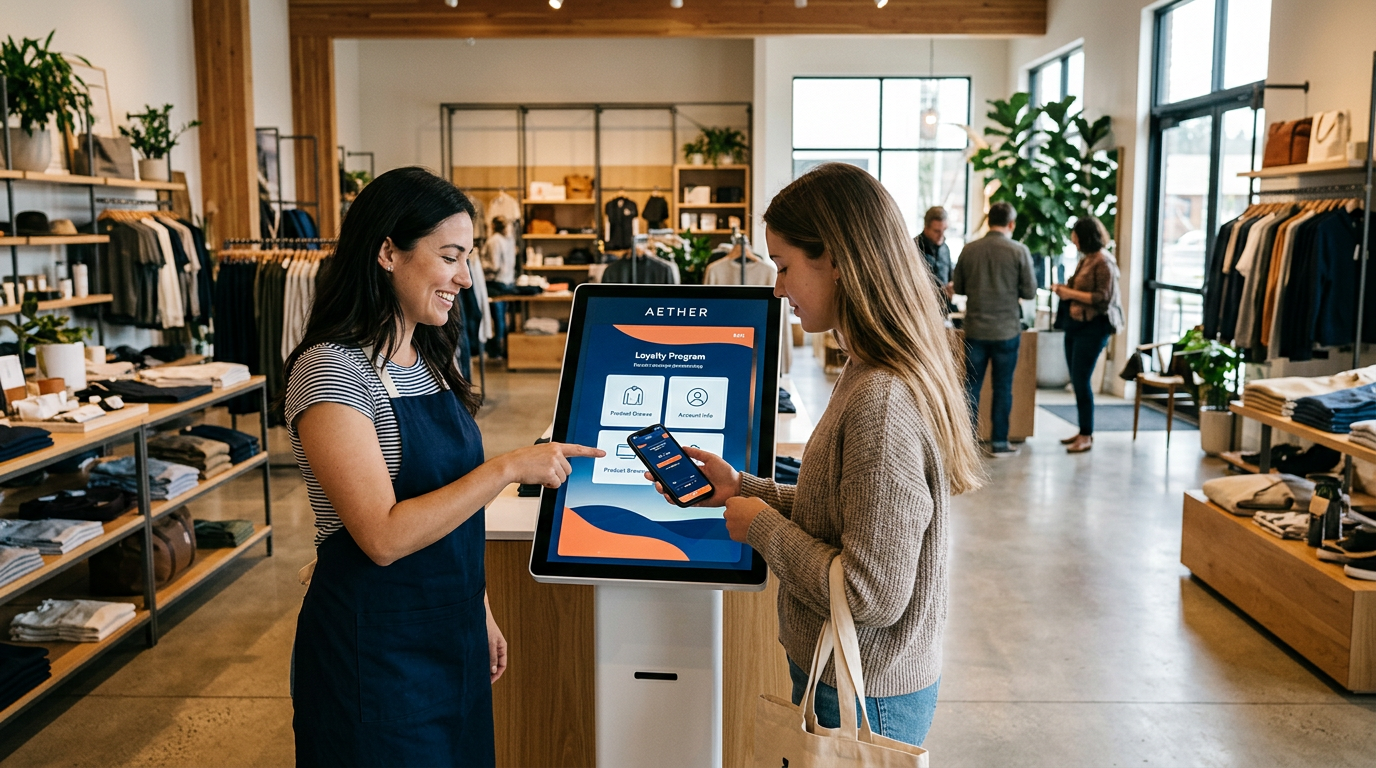
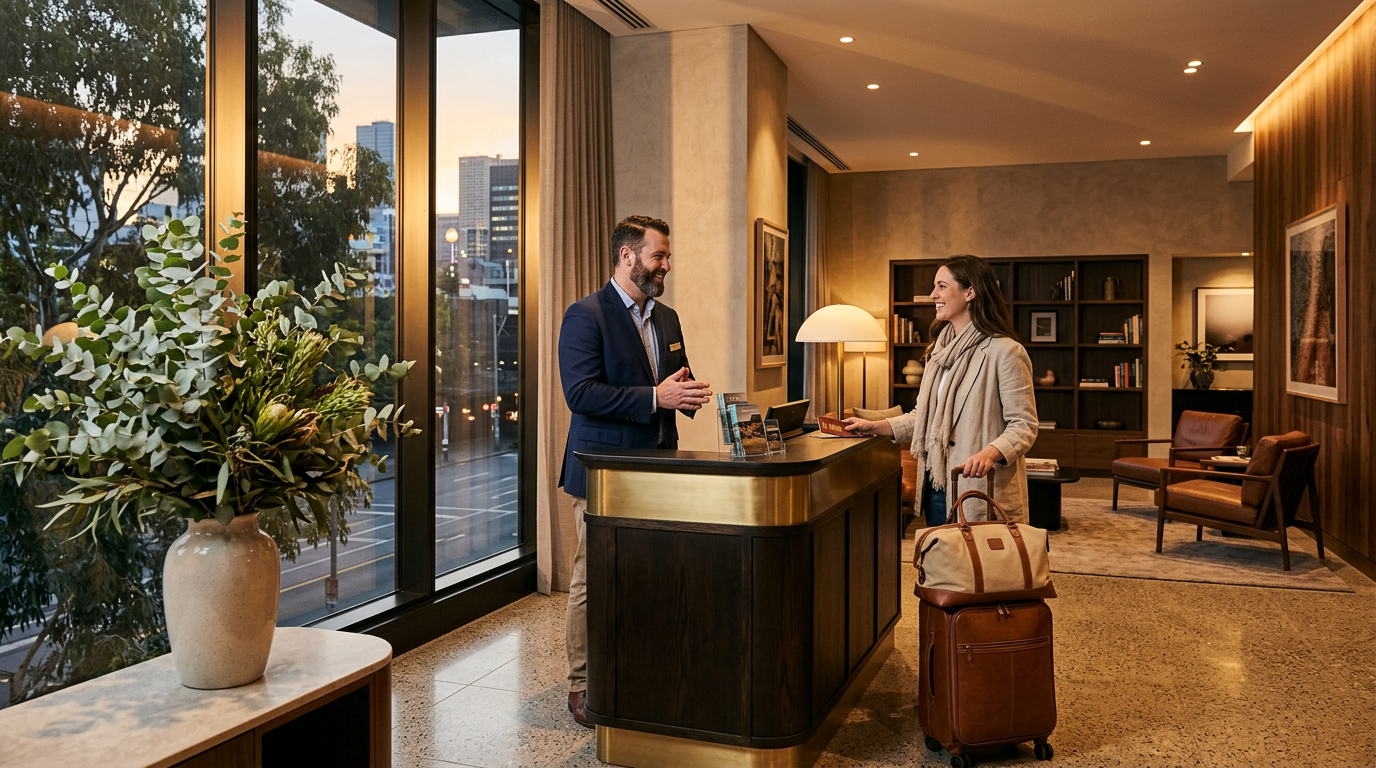
Customers are no longer just buying a meal, a room, or a coffee. They are buying a feeling: the warm welcome, the smooth check-in, the bartender who remembers their usual. That shift is the heart of the experience economy, and it explains why service consistency in hospitality has become a loyalty driver rather than a nice-to-have.
The problem is that experiences are harder to deliver consistently than products. A product can be manufactured to exact specifications. A service depends on people, timing, mood, staffing levels, and countless small variables. One outstanding shift can create a raving fan, while the next mediocre shift can undo months of goodwill.
In Australia, this tension is especially sharp. Labour shortages, high turnover, seasonal demand, and rising operating costs make it difficult for hotels, restaurants, cafés, and tourism operators to maintain the same standard every single day. Yet customers compare every interaction against their best previous experience — not against your average.
What Service Consistency in Hospitality Really Means
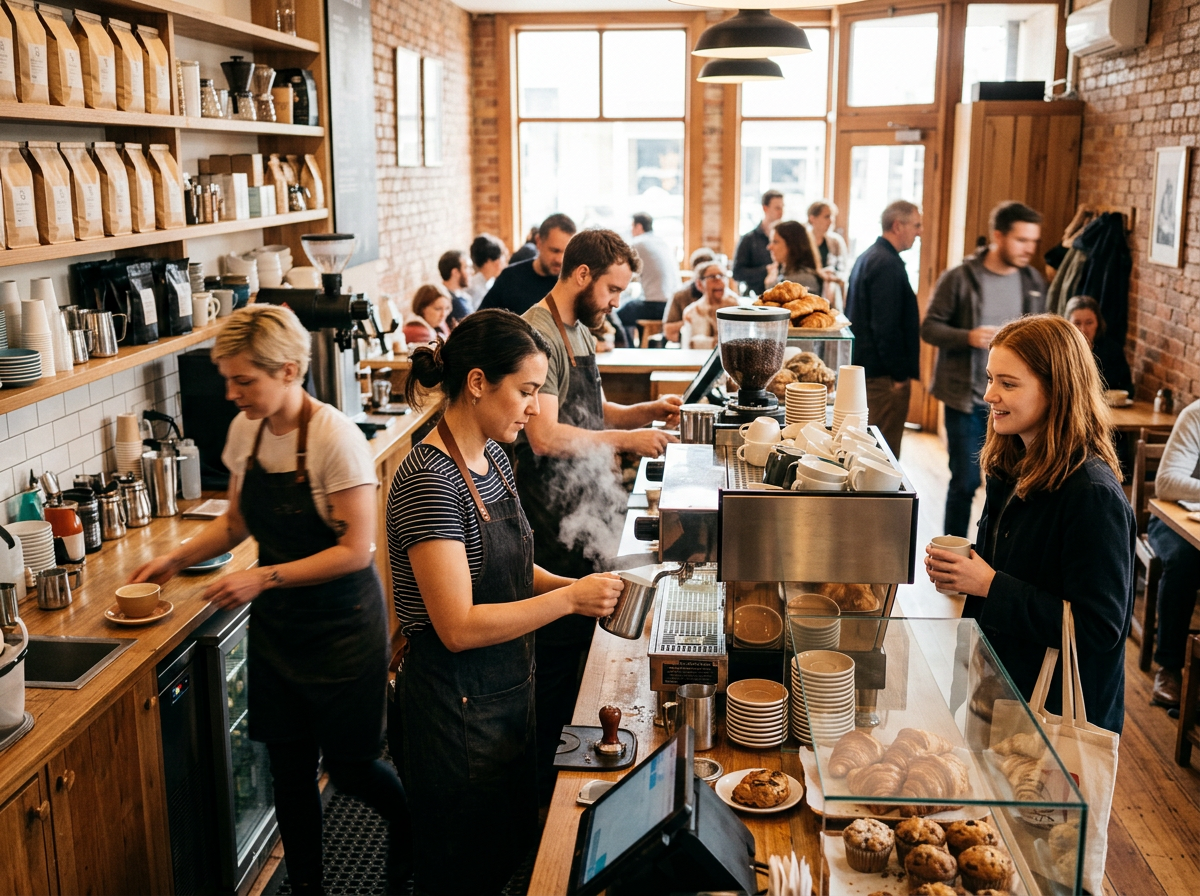
Consistency does not mean robotic service or identical scripts. It means the guest can expect the same core standards whenever and wherever they interact with your brand. The greeting is warm. The room is clean. The dietary request is handled correctly. The complaint is resolved with empathy. Those promises should not change based on which staff member is on shift.
Service consistency in hospitality operates across four layers:
Product consistency: the coffee tastes the same, the bed feels the same, the signature dish is plated the same way.
Process consistency: bookings, check-ins, orders, and follow-ups follow reliable steps.
People consistency: team members are trained, empowered, and aligned around shared standards.
Channel consistency: the website, social media, phone, in-person service, and post-stay emails tell the same brand story.
When these layers align, customers stop worrying about whether they will get the good version of your business. That confidence is the foundation of loyalty.
Why Inconsistency Costs You Loyal Customers
Inconsistency is expensive in ways that rarely appear on a profit-and-loss statement. A guest who has one brilliant stay and one disappointing return visit does not simply average the two. Research on peak-end bias suggests they remember the worst moment and the most recent moment most vividly. The disappointing visit becomes the story they tell.
For hospitality businesses, the cost shows up as lower repeat visitation and weaker word-of-mouth referrals. It also appears as more time spent recovering from complaints instead of creating new advocates. Team confusion grows, because staff receive mixed signals about what “good” looks like. Marketing spend rises, because you must constantly replace customers instead of retaining them.
Loyalty is not built by occasional wow moments. It is built by eliminating the bad surprises that make customers hesitate to return.

Building Consistent Guest Experiences Across Locations
Multi-site hospitality brands face a special challenge: the same brand promise must survive different managers, different neighbourhoods, and different local cultures. The solution is not to make every venue identical. It is to define the non-negotiables — the service standards, brand voice, and emotional tone — while giving local teams room to adapt the details.
This is where a consistent brand experience across every channel becomes a competitive advantage. Whether a guest discovers you on Instagram, books through your website, calls the front desk, or walks in without a reservation, the experience should feel like the same business. You can explore how this works beyond hospitality in Why Consistent Brand Experience Across Channels Wins.
Practical steps include documented service blueprints, regular site audits, shared onboarding, and a central feedback loop that surfaces local issues before they become brand-wide problems. Consistency scales when standards are clear and teams feel ownership over them.
Designing Every Touchpoint for Consistency
Customers experience your hospitality brand through dozens of touchpoints, many of them digital. The booking page, confirmation email, menu design, signage, app notifications, and post-visit survey all shape expectations before and after the actual service encounter. If those touchpoints feel disjointed, guests arrive already uncertain about what to expect.
Good design removes friction and reinforces familiarity. A clean booking flow, readable menus, and intuitive wayfinding reduce cognitive load, so guests can focus on enjoying the experience. Just as importantly, consistent visual and interaction design signals reliability. For inspiration on how thoughtful design shapes perception, see Elevate Your Brand: UI UX Design Inspiration Unveiled.
When digital and physical touchpoints mirror each other, service consistency becomes easier to maintain. Staff are not fighting against confusing systems, and guests are not surprised by what they find.
Training Teams to Deliver Consistent Service
Your people are the delivery mechanism for every service promise. Training cannot be a one-off induction video. It needs to be continuous, practical, and tied to real scenarios. Role-playing difficult conversations, shadowing high performers, and debriefing both wins and failures help teams internalise standards rather than memorise rules.
Empowerment matters too. Staff who are trusted to resolve problems on the spot are more likely to deliver consistent outcomes than those who must escalate every decision. Clear boundaries — what they can comped, adjust, or prioritise — give them confidence to act in the guest’s interest.
Recognition reinforces consistency. When leaders celebrate team members who quietly uphold standards, not just those who create dramatic moments, the whole organisation learns that reliability is valued.
Measuring and Scaling Service Consistency
You cannot improve what you do not measure. Hospitality businesses can track consistency through mystery shopping, post-stay surveys, review sentiment, complaint categories, and operational audits. The goal is not to punish variance but to spot patterns: which shifts, locations, or processes produce the most inconsistent experiences?
Technology can help, but only if it supports the human experience. A customer relationship management system that shares guest preferences across locations, or a feedback tool that routes issues to the right manager, reduces the chance that a guest must repeat themselves. For a broader view of how to build these systems, visit karadigital.co.
Scaling consistency ultimately comes down to culture. When every team member understands that loyalty is earned in the details, and when leaders invest in the systems that make those details repeatable, service consistency in hospitality becomes more than a metric. It becomes the reason guests come back.
FAQ
Why are customers craving experiences more than products?
Customers increasingly seek meaning, connection, and memory over mere ownership. In hospitality, a meal or stay is a backdrop for celebration, relaxation, or discovery. Social media amplifies this by making experiences shareable. When products are widely available, the emotional quality of service becomes the differentiator that customers remember and recommend.
What is the experience economy and why does it matter for Australian businesses?
The experience economy describes a shift where businesses sell memorable events rather than basic goods or services. For Australian hospitality and tourism operators, it matters because customers compare every interaction to their best experience elsewhere. Delivering consistent, emotionally resonant moments can command premium prices, boost repeat visits, and strengthen word-of-mouth in a competitive market.
How can I deliver consistent customer experiences across multiple locations in Australia?
Start by defining non-negotiable service standards and brand behaviours, then document them in accessible playbooks. Train managers to coach rather than command, run regular mystery shops, and share guest feedback across sites. Allow local flexibility in execution but keep the core promise identical. Central onboarding and recognition programs help distributed teams feel part of one brand.
Why is it so hard to deliver consistent customer service?
Service depends on people, and people have variable days, moods, and workloads. High staff turnover, seasonal rushes, and unclear expectations increase variance. Unlike manufacturing, hospitality cannot inspect every interaction before it reaches the customer. Consistency therefore requires strong hiring, continuous training, empowering processes, and leaders who model standards rather than assuming they will happen.
How do I train staff to deliver consistent customer experiences?
Move beyond one-off induction sessions. Use scenario-based role-play, shadowing, and regular debriefs. Document standards in simple checklists, then let staff practise until behaviours feel natural. Empower them to resolve common issues without escalation. Reinforce consistency through recognition, not just correction. Involve team members in refining processes so they understand why each standard matters to guests.
How can I measure customer experience consistency in my business?
Track repeat visit rates, review sentiment, complaint themes, and post-interaction surveys. Mystery shopping reveals gaps between standards and delivery. Segment feedback by location, shift, and channel to find patterns. Combine quantitative metrics with frontline conversations. The aim is not to eliminate all variation but to identify where inconsistency damages trust and then fix the systems behind it.
How can hospitality businesses in Australia create memorable guest experiences?
Focus on emotional details: a personalised welcome, anticipating needs, and recovery when things go wrong. Train staff to notice small cues and act on them. Design physical and digital touchpoints to reduce friction. Create rituals that guests associate with your brand, whether it is a signature greeting or a farewell treat. Consistency makes these moments reliable, so memories compound with every visit.