

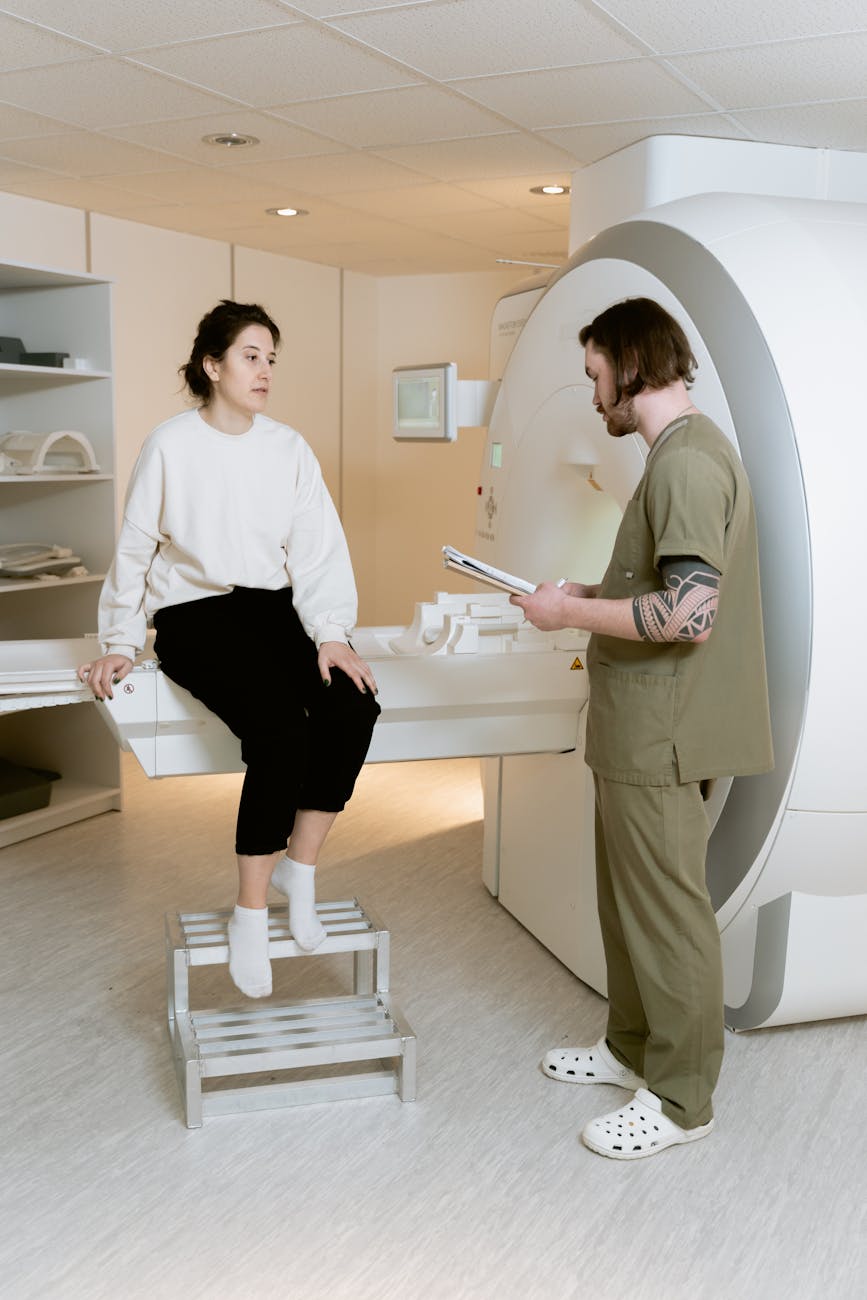
Disease Risk Assessment Tools
Importance of Disease Risk Assessment
Disease risk assessment tools play a crucial role in modern healthcare. They help identify individuals at high risk for various diseases, enabling early intervention and personalized care. By understanding risk factors, healthcare providers can develop targeted prevention strategies, ultimately improving patient outcomes and reducing healthcare costs.
The significance of these tools extends beyond individual patient care. They also contribute to public health initiatives by identifying trends and patterns in disease prevalence. This information can guide resource allocation and inform policy decisions. For a deeper understanding of how these tools function within the healthcare system, refer to our article on healthcare predictive analytics.
| Benefit | Description |
|---|---|
| Early Detection | Identifies at-risk individuals for timely intervention. |
| Personalized Care | Tailors prevention strategies based on individual risk factors. |
| Public Health Insights | Provides data for trend analysis and policy-making. |
Role of Advanced Tools in Predictive Analytics
Advanced disease risk assessment tools leverage predictive analytics to enhance their effectiveness. By utilizing algorithms and machine learning, these tools can analyze vast amounts of data to identify patterns and predict future health outcomes. This capability allows healthcare providers to make informed decisions based on evidence rather than intuition.
Predictive analytics can improve the accuracy of disease risk assessments by incorporating various data sources, including genetic information, lifestyle choices, and environmental factors. This comprehensive approach enables a more holistic view of an individual’s health risks. For more information on specific applications, explore our articles on chronic disease risk assessment and personalized disease risk assessment.
| Advanced Tool | Functionality |
|---|---|
| Machine Learning Algorithms | Analyze data to identify risk patterns. |
| Data Integration | Combines multiple data sources for comprehensive assessments. |
| Real-time Analytics | Provides immediate insights for timely decision-making. |
The integration of advanced tools in disease risk assessment not only enhances individual patient care but also supports broader healthcare initiatives. By harnessing the power of predictive analytics, healthcare organizations can improve their diagnostic capabilities and ultimately lead to better health outcomes. For further exploration of various models, see our article on disease risk assessment models.
Machine Learning in Healthcare
Machine learning is transforming the landscape of healthcare, particularly in the realm of disease risk assessment. By leveraging artificial intelligence (AI), healthcare providers can enhance their predictive analytics capabilities, leading to more accurate and timely assessments of disease risk.
Leveraging AI for Disease Risk Assessment
AI technologies, particularly machine learning algorithms, analyze vast amounts of data to identify patterns and correlations that may not be immediately apparent to human analysts. These advanced tools can process data from various sources, including electronic health records, genetic information, and lifestyle factors, to generate comprehensive risk profiles for individuals.
The integration of machine learning in disease risk assessment allows for:
- Enhanced Predictive Accuracy: Algorithms can improve the precision of risk predictions by continuously learning from new data.
- Real-Time Analysis: AI can provide immediate insights, enabling healthcare professionals to make informed decisions quickly.
- Personalized Risk Profiles: Machine learning can tailor assessments based on individual characteristics, leading to more effective prevention strategies.
| Feature | Benefit |
|---|---|
| Enhanced Predictive Accuracy | Improves precision of risk predictions |
| Real-Time Analysis | Enables quick decision-making |
| Personalized Risk Profiles | Tailors assessments to individual needs |
Benefits of Machine Learning in Diagnostics
The application of machine learning in diagnostics offers numerous advantages that can significantly impact patient care. By utilizing these advanced tools, healthcare providers can achieve better outcomes through improved diagnostic processes.
Key benefits include:
- Increased Efficiency: Machine learning algorithms can analyze data faster than traditional methods, reducing the time required for diagnosis.
- Improved Detection Rates: AI can identify subtle indicators of disease that may be overlooked by human practitioners, leading to earlier interventions.
- Cost Reduction: By streamlining diagnostic processes and improving accuracy, machine learning can help reduce healthcare costs associated with misdiagnosis and unnecessary treatments.
| Benefit | Description |
|---|---|
| Increased Efficiency | Faster data analysis and diagnosis |
| Improved Detection Rates | Early identification of diseases |
| Cost Reduction | Lower healthcare costs through accurate diagnostics |
The integration of machine learning into disease risk assessment tools is revolutionizing healthcare. By harnessing the power of AI, organizations can enhance their predictive analytics capabilities, leading to better patient outcomes and more efficient healthcare delivery. For more insights on this topic, explore our articles on healthcare predictive analytics and chronic disease risk assessment.
Types of Disease Risk Assessment Tools
Understanding the various types of disease risk assessment tools is essential for businesses looking to develop AI solutions in healthcare. These tools can be categorized into three main types: genetic risk assessment, lifestyle and environmental risk assessment, and clinical risk assessment.
Genetic Risk Assessment
Genetic risk assessment tools analyze an individual’s genetic makeup to determine their susceptibility to certain diseases. By examining specific genes and genetic markers, these tools can provide insights into inherited conditions and potential health risks.
| Genetic Risk Factors | Associated Conditions |
|---|---|
| BRCA1/BRCA2 mutations | Breast and ovarian cancer |
| APOE ε4 allele | Alzheimer’s disease |
| HLA-B27 antigen | Ankylosing spondylitis |
These assessments can guide personalized healthcare strategies, allowing for early interventions and tailored treatment plans. For more information on personalized approaches, refer to our article on personalized disease risk assessment.
Lifestyle and Environmental Risk Assessment
Lifestyle and environmental risk assessment tools evaluate how an individual’s lifestyle choices and environmental factors contribute to their overall health. These assessments consider factors such as diet, physical activity, smoking, and exposure to pollutants.
| Lifestyle Factors | Impact on Health |
|---|---|
| Sedentary lifestyle | Increased risk of obesity and heart disease |
| Poor diet | Higher likelihood of diabetes and hypertension |
| Smoking | Elevated risk of lung cancer and respiratory diseases |
By identifying these risk factors, healthcare providers can recommend lifestyle modifications to reduce disease risk. For further insights into chronic conditions, explore our article on chronic disease risk assessment.
Clinical Risk Assessment
Clinical risk assessment tools utilize patient data, including medical history, laboratory results, and clinical examinations, to evaluate the likelihood of developing specific diseases. These tools often employ algorithms and predictive models to analyze data and generate risk scores.
| Clinical Indicators | Associated Risks |
|---|---|
| Blood pressure levels | Risk of cardiovascular disease |
| Cholesterol levels | Risk of heart attack and stroke |
| Family medical history | Increased risk of hereditary conditions |
These assessments are crucial for early detection and management of diseases, enabling healthcare professionals to implement preventive measures. For more on the methodologies used in these assessments, check our article on disease risk assessment models.
By leveraging these diverse disease risk assessment tools, businesses can enhance their AI solutions in healthcare, ultimately improving patient outcomes and promoting proactive health management. For a broader understanding of predictive analytics in healthcare, visit our article on healthcare predictive analytics.
Implementing Advanced Tools
The implementation of advanced disease risk assessment tools requires careful planning and execution. Two critical components in this process are data collection and analysis, as well as integration with electronic health records (EHRs).
Data Collection and Analysis
Effective disease risk assessment begins with robust data collection methods. Gathering accurate and comprehensive data is essential for developing reliable predictive models. Data can be collected from various sources, including patient surveys, genetic testing, and lifestyle assessments.
The following table outlines common data sources and their relevance in disease risk assessment:
| Data Source | Description | Relevance to Risk Assessment |
|---|---|---|
| Patient Surveys | Self-reported information on health behaviors | Identifies lifestyle risk factors |
| Genetic Testing | Analysis of genetic predispositions | Assesses hereditary disease risks |
| Clinical Data | Historical health records and lab results | Provides context for clinical risk |
| Environmental Data | Information on exposure to environmental factors | Evaluates external risk influences |
Once data is collected, advanced analytical techniques, including machine learning algorithms, can be employed to identify patterns and correlations. This analysis helps in predicting potential health risks and tailoring personalized disease risk assessments. For more insights on this topic, refer to our article on healthcare predictive analytics.
Integration with Electronic Health Records
Integrating disease risk assessment tools with electronic health records (EHRs) is crucial for streamlining the healthcare process. EHRs provide a centralized platform for storing patient data, making it easier for healthcare providers to access and analyze information.
The integration process involves several key steps:
- Data Mapping: Aligning data fields from risk assessment tools with those in the EHR system.
- Interoperability: Ensuring that different systems can communicate effectively to share data.
- User Training: Educating healthcare staff on how to utilize the integrated system for optimal patient care.
The benefits of integrating disease risk assessment tools with EHRs include improved patient outcomes, enhanced data accuracy, and more efficient workflows. This integration allows healthcare providers to make informed decisions based on comprehensive patient data, ultimately leading to better management of chronic diseases. For further reading on chronic disease management, visit our article on chronic disease risk assessment.
By focusing on effective data collection and seamless integration with EHRs, healthcare organizations can leverage advanced disease risk assessment tools to enhance their predictive analytics capabilities. This approach not only improves patient care but also supports the development of personalized disease risk assessments, as discussed in our article on personalized disease risk assessment.
Challenges and Considerations
As organizations explore the implementation of disease risk assessment tools, several challenges and considerations must be addressed to ensure effective and responsible use of these advanced technologies.
Data Privacy and Security
Data privacy and security are paramount when dealing with sensitive health information. The collection and analysis of personal health data raise concerns about unauthorized access and potential breaches. Organizations must implement robust security measures to protect patient data from cyber threats.
| Security Measure | Description |
|---|---|
| Encryption | Protects data by converting it into a secure format that can only be read with a decryption key. |
| Access Controls | Limits access to sensitive data to authorized personnel only. |
| Regular Audits | Conducts periodic reviews of data access and security protocols to identify vulnerabilities. |
Compliance with regulations such as HIPAA (Health Insurance Portability and Accountability Act) is essential to safeguard patient information. Organizations should also educate staff on data handling practices to minimize risks.
Accuracy and Reliability of Predictions
The accuracy and reliability of predictions generated by disease risk assessment tools are critical for their effectiveness. Inaccurate predictions can lead to misdiagnosis, inappropriate treatment plans, and loss of trust in healthcare systems.
To ensure reliability, organizations should focus on:
| Factor | Importance |
|---|---|
| Data Quality | High-quality, comprehensive data improves the accuracy of predictive models. |
| Model Validation | Regularly testing and validating models against real-world outcomes ensures their effectiveness. |
| Continuous Improvement | Updating algorithms based on new data and research findings enhances predictive capabilities. |
Organizations can refer to studies on disease risk assessment models to understand best practices in model development and validation.
Ethical Implications of AI in Healthcare
The integration of AI in healthcare raises ethical considerations that must be addressed. Issues such as bias in algorithms, informed consent, and the potential for discrimination based on predictive analytics are significant concerns.
Organizations should consider the following ethical implications:
| Ethical Concern | Description |
|---|---|
| Algorithmic Bias | AI models may reflect biases present in training data, leading to unequal treatment across different populations. |
| Informed Consent | Patients should be fully informed about how their data will be used and the implications of predictive analytics. |
| Accountability | Establishing clear accountability for decisions made based on AI predictions is essential to maintain trust. |
Engaging with stakeholders, including patients and healthcare professionals, can help organizations navigate these ethical challenges. For insights into personalized approaches, refer to our article on personalized disease risk assessment.
Addressing these challenges and considerations is crucial for the successful implementation of disease risk assessment tools in healthcare settings.
Want to grow your business online with smarter strategies? Kara Digital offers data-driven digital marketing services and powerful AI solutions to help you scale faster and more efficiently. Let’s turn your vision into measurable success.