
AI Solutions Changing E-Commerce
In the e-commerce space, AI is shaking things up, injecting new life into old-school business habits. By tapping into AI, shops can work smarter, run smoother, and give customers that extra personal touch we all love.
How AI Is Shaping Retail
As of 2022, about 71% of business bigwigs were already using AI in their e-commerce game, per PwC. It’s a big deal. AI isn’t just some fancy tech; it’s changing the way businesses play the game. They use it to streamline stuff, read what customers want before they do, and make decisions faster and smarter. Take eBay, for instance. Back in 2019, they nailed down 40% of online credit card scams with crazy accuracy, thanks to their AI buddy.
AI gadgets aren’t just putting a nice polish on things, they’ve taken over some hefty tasks like suggesting products, crafting marketing messages that hit the bullseye, and sprucing up services overall. These machines crunch customer data to figure out what you might like, kind of like a digital shopping buddy who just “gets” you.
Tailored Customer Journeys
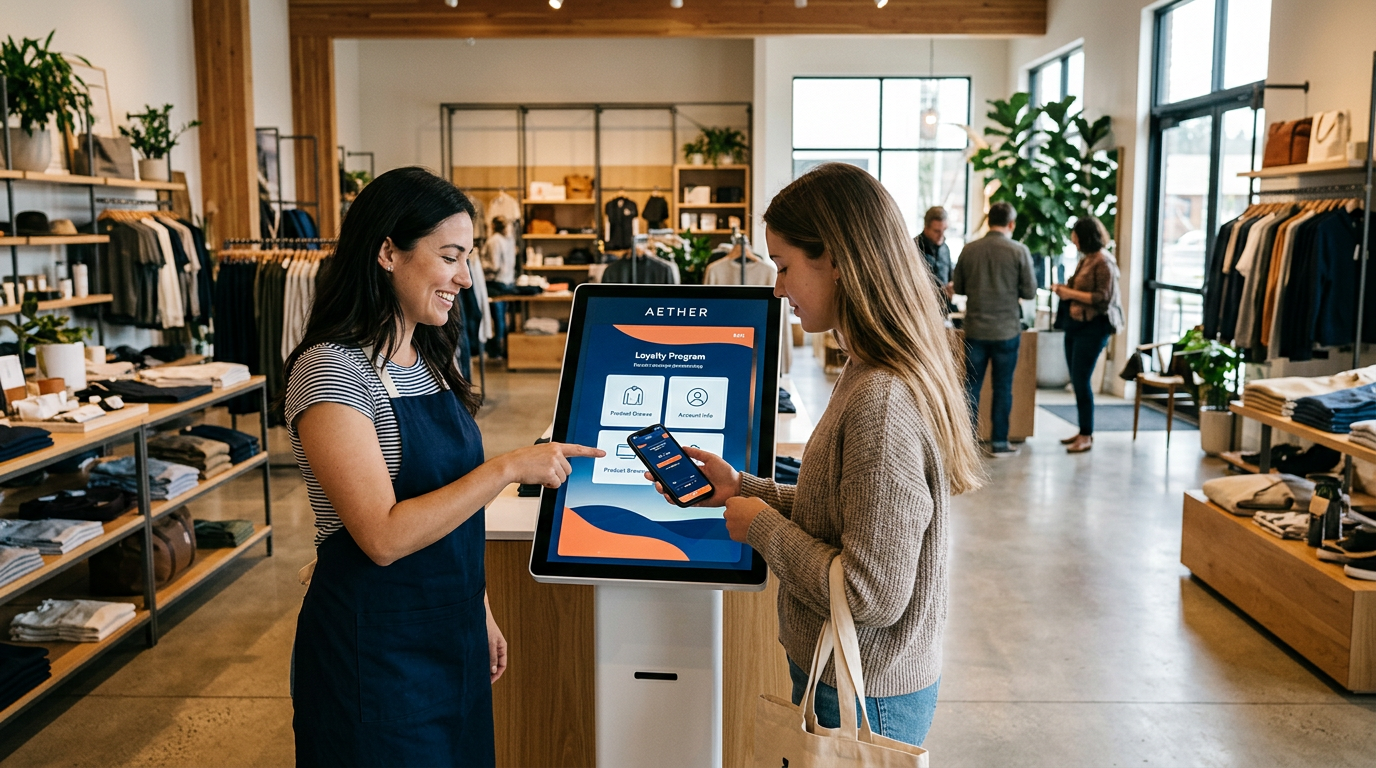
One swoon-worthy perk of AI in e-commerce is the personalized shopping journey. AI digs deep into what people like, what they buy, and how they shop, helping brands whip up marketing that speaks directly to you and suggesting products that you’ll actually dig. This makes customers feel loved, creating a cycle of happy shoppers and loyal followers.
Then there’s AI chatbots. These guys are rock stars when it comes to customer service. They’re on call anytime, handling all sorts of questions, pointing folks to the right products, and guiding them through buying stuff. They keep things easy and solve issues quickly, which keeps customers smiling and coming back.
Wrapping this up, AI in e-commerce is not just a fad; it’s changing how brands work and connect with people who shop there. It’s not about staying with the pack, it’s about getting ahead using AI. Brands can run their operations better, deliver standout shopping experiences, and dominate in the growing online market.
Leading AI Solutions in E-Commerce
In the world of e-commerce, using AI solutions can really boost business operations and customer happiness. Two big names shaking things up are IBM’s Watson and SHEIN’s smart shopping recommendations.
IBM’s Watson Innovations
IBM’s Watson has made a name for itself with its top-notch AI skills, bringing a fresh wave to online shopping. One standout feature of Watson is that it helps stores make shopping more personal. By digging into data, Watson knows what a customer wants, what they’ve bought, and how they shop.
With this personal touch, companies can tweak their marketing and product lines just for you, pulling you in and getting you to hit that ‘buy’ button. Big names like Frito-Lay and Home Depot have seen the light with Watson, using AI to craft marketing that’s sharp and on point.
If you’re a business owner aiming to level up your shopping site, Watson could be your secret weapon. AI insights let firms fine-tune their marketing, keep customers smiling, and see that profit line go up. Curious how AI works magic in other areas? Check our articles on AI in retail.
SHEIN’s AI-Powered Recommendations
SHEIN, a trendsetter in online clothing shops, got smart with AI to tailor shopping to you. Through clever algorithms, it figures out what you like and rolls out personalized item picks.
SHEIN doesn’t just follow trends—it predicts them with AI, matching its styles to what you’re into. This forward-thinking with suggestions keeps SHEIN stylish and shopping smooth for its users.
For those in the fashion e-commerce game, take notes from SHEIN. Its AI model can skyrocket customer interest and ring up sales. By adopting similar AI strategies, shops can refine their product pitches, make the buying journey breezier, and keep shoppers coming back for more.
By checking out AI heavyweights in e-commerce, business minds can snag golden tips on using AI to sharpen their game, catch customers’ eyes, and stand out in the online shopping race. Keep an eye out for more talks on AI for optimization to find more ways to amp up your business with AI.
Overcoming Challenges in AI Integration
In the bustling world of e-commerce, bringing AI on board can really shake things up for businesses and their customers. But let’s be honest, this AI-party isn’t always easy to join. Two big hiccups standing in the way of an AI-friendly adventure are wrangling the right data and keeping that data safe and sound.
Data Collection and Analysis
Getting a handle on data is like grabbing a slippery fish—tricky! In e-commerce, AI runs on info to make good calls. But problems pop up with data that’s thin, messy, or flat-out biased, slowing down those shiny AI gears (Data Science Salon).
To get past these bumps, businesses gotta get serious about smart data gathering and killer analysis tools. By tidying up where data comes from and brushing up its quality, companies can squeeze out the gold in customer quirks and sales habits. This smart move lets businesses tweak how they run, boost how folks shop, and rack up their sales numbers.
Ensuring Data Privacy
With the digital world booming, privacy’s like the golden ticket for businesses diving into AI. Since AI’s all about scooping up customer details, making sure this info’s locked tight is mission critical. Issues with biased programming, red tape, and hacker headaches can’t be swept under the rug if businesses want to keep their customers’ trust (Data Science Salon).
To keep data safe, businesses need to roll out tough security shields, encryption magic, and tight access gates. Being straight about data doings and following laws like GDPR and CCPA aren’t just nice ideas—they’re must-dos. By putting data privacy on a pedestal, businesses steer clear of trouble, stick to their principles, and make good with their customers.
To really tap into the AI magic in e-commerce, businesses need to tackle the data and privacy puzzles head-on. When they do, AI tools can totally remake customer chats, jazz up how people shop, and pump up sales online. Plus, with cool AI buddies like Shopify’s AI-Powered Analytics and Adobe’s Intelligent Marketing Platform, businesses can cruise through data dramas, skip the dangers, and let AI shine its light on the digital road ahead.
Tools and Platforms for E-Commerce AI
E-commerce businesses are finding gold in AI to up their game and make smart moves. Dive into the magic world of storefronts with two big names paving the way: Shopify’s brainy analytics and Adobe’s savvy marketing tricks.
Shopify’s AI-Powered Analytics
Shopify isn’t just sitting pretty as a top e-commerce giant. They’ve supercharged their toolkit with AI-powered analytics that spill the beans on what’s working and what’s not. Imagine having a smarty-pants computer pointing out what your customers are loving or leaving behind. Shopify’s AI digs deep into your data jungle, picking out trends and patterns to show you.
Why’s this a game-changer, you ask? Picture this: quicker decisions, better marketing plays, and a smooth ride for your business. Instead of swimming in endless data, you get snappy reports that tell you how stuff’s selling and why folks are buying. The magic of machine learning under the hood means you get the right tips on what to push to your customers, hyping up those sales and keeping folks coming back.
Entrepreneurs trying to make waves online get a mighty ally with Shopify’s analytics. If you’re vying to be the next online big shot, use these insights. Amp up your marketing mojo, tweak what your store offers, and watch engagement soar. It’s about outsmarting, not just outshining, the competition.
Adobe’s Intelligent Marketing Platform
In the world of digital marketing, Adobe is like that wise owl that never misses a beat. Their Intelligent Marketing Platform is all about giving e-commerce businesses the edge with personalized targeting and killer conversions. Leveraging AI, Adobe steps up the marketing game by serving up content that feels custom-made for each customer.
What does this mean for you? Your marketing campaigns get a spin with a crystal-clear view of how customers are acting across their shopping journey. Adobe lets you dissect this info from different angles to shape marketing moves that feel just right for each customer. Fancy terms like A/B testing and predictive analytics help fine-tune what keeps customers clicking and buying.
For businesses wanting to forge connections, Adobe’s platform is a trusty sidekick. Use AI to tailor experiences that hit home and say goodbye to bland marketing. Adobe arms you with the techy bits for pouring out the perfect message across all corners of the web, beefing up your brand loyalty and filling that sales basket to the brim.
Drawing on the brains from platforms like Shopify’s clever analytics and Adobe’s crafty marketing know-how, e-commerce businesses can open doors to fresh possibilities. Pump up the efficiency, charm customers with personal touches, and keep caching in on digital opportunities. As AI leads the charge in e-commerce, hopping on these tools isn’t just smart—it’s survival of the slickest.
Future Trends and Opportunities
E-commerce is going through quite the makeover, and AI is the superstar driving these changes. With cool new tricks in understanding and learning from data, businesses are shaking up how they chat with customers and manage stocks.
Advancements in NLP and Machine Learning
Ever chatted with a customer service bot that felt a tad too human? That’s the magic of natural language processing (NLP) mixed with machine learning! These tech wonders help online stores understand and reply to our questions just like a friendly store clerk. They study tons of data to guess what a customer might want next, which means ads that don’t make us roll our eyes and online experiences that feel genuinely personal.
Thanks to these advancements, those chatbots popping up with a handy query or a product recommendation aren’t just for show—they are making shopping less of a chore and more about what each customer enjoys. Businesses getting the hang of this tech can whip up more tailored online experiences that drive sales and keep us coming back for more.
Role of AI in Supply Chain Optimization
When it comes to keeping store shelves stocked and packages arriving on our doorsteps, AI is the unsung hero. It’s all about spotting trends, predicting what’s going to be needed when, and ensuring everything comes together like a well-rehearsed symphony. AI dives into mountains of info to help forecast demand and track inventory, flagging when something might go off the rails before it does.
Factories are becoming less of a guessing game, thanks to AI’s knack for knowing what’s what. Whether figuring out the fastest route for delivery or adjusting stock levels, AI’s got it covered. Businesses that hop on this AI train find themselves ahead of the pack, handling the constant buzz of online orders with ease.
Mix in the magic of text-savvy chatbots with logistical AI wizards, and you’ve got a recipe for e-commerce bliss. By catching onto these tech waves, stores aren’t just surviving in the wild world of online retail—they’re thriving, providing customers with what they actually want without a hitch. Staying on top of these trends means business folks are ready for whatever the digital future throws at them, keeping both the wheels turning smoothly and customers satisfied.
Enhancing Customer Interactions
In the world of online shopping, using AI has completely changed the game for how businesses connect with their customers. Two big ways AI helps in this area are by making inventory management smarter and by tweaking prices on the fly.
Benefits of AI in Inventory Management
AI is shaking things up behind the scenes of online stores. By using smarty-pants AI tools, shops can get their stock levels just right, cut down on having too much or too little stuff, and keep the cash rolling in by dodging old-school forecasting slip-ups (Eva Commerce).
Let’s break it down: with AI, businesses can simplify things like keeping track of what’s in stock, restocking items, and making sure orders go out smoothly. This cuts down on mistakes people might make and makes sure products are ready to buy when customers come knocking.
Moreover, these AI systems can sift through heaps of past data and current trends to predict what customers will want and when they’ll want it. This smart guessing game helps businesses make savvy stock decisions, boosting how well the company runs and keeping customers happy.
| Benefits of AI in Inventory Management |
|---|
| Fine-tunes stock levels |
| Cuts down on too much or too little stock |
| Keeps cash flowing smoothly |
| Avoids guesstimate blunders |
Leveraging AI for Dynamic Pricing
AI is also a superstar when it comes to setting prices that move with the market. It scours through an ocean of details, like customer data and what competitors are up to, to nail down the best price tag for products (Clarity Ventures).
One of the coolest parts of letting AI run the pricing show is that it can keep up with changes at lightning speed. It’s like having a personal pricing assistant that tweaks prices as market trends and buyer habits shift. This means products stay attractively priced, and profits get a nice little boost.
Pricing this way not only pumps up sales numbers but also keeps buyers feeling like they’re getting a sweet deal. And by going with AI in pricing, companies can claim a prime spot in the market and swiftly handle any shifts in what’s hot and what’s not.
| Benefits of Leveraging AI for Dynamic Pricing |
|---|
| Boosts earnings |
| Ramps up sales |
| Adjusts to market on the fly |
| Keeps businesses in the race |
Using AI for managing stock and changing prices doesn’t just smooth out bumps for e-commerce shops—it knits together better connections with customers and ramps up sales. Smart use of AI in these areas makes everything run like a well-oiled machine, and at the end of the day, it translates to happier, more loyal customers.