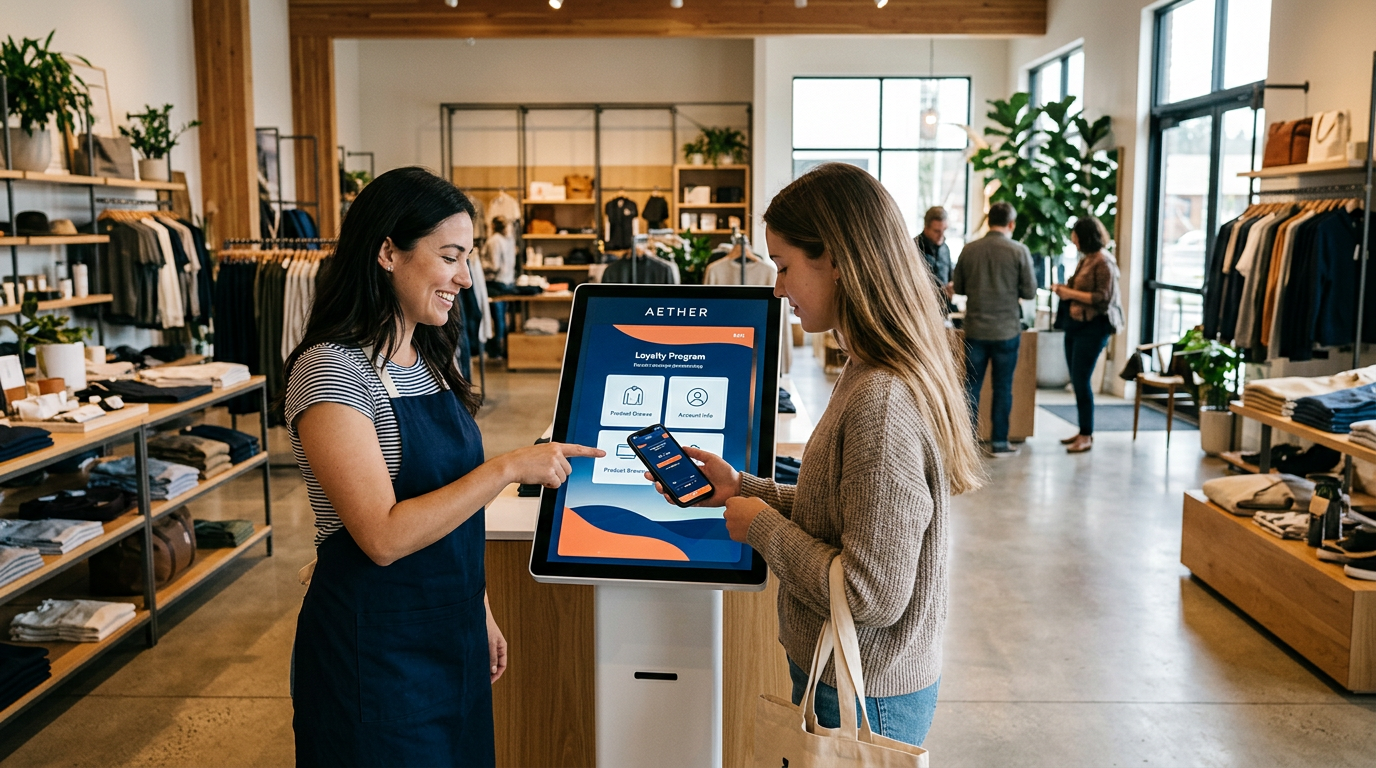


The world of UI/UX design is evolving faster than ever. In 2025, the line between functionality and experience is blurring, and user expectations are at an all-time high. With advancements in AI, immersive interfaces, and accessibility standards, design is no longer just about looking good—it’s about creating seamless, inclusive, and meaningful interactions. The trends emerging this year aren’t just passing fads; they’re shaping the future of how we interact with technology.
AI-Powered Personalization
Artificial Intelligence has already made its way into UI/UX, but 2025 is the year it becomes a baseline expectation. Users now want interfaces that adapt to them—adjusting layouts, recommendations, and even navigation based on behavior. This means moving from static, one-size-fits-all designs to dynamic experiences that feel uniquely tailored to each person.
Personalization goes beyond simple “you might like this” suggestions. We’re talking about predictive UX, where AI anticipates what users need before they even search for it. This creates smoother journeys and reduces friction in daily tasks.
Voice-First Interfaces
While voice commands have been around for years, the rise of natural language processing has made voice-first design more viable than ever. In 2025, apps and websites are integrating conversational interfaces that are context-aware, allowing users to interact without tapping or typing.
This trend is particularly important for accessibility, enabling hands-free navigation for people with disabilities or for situations where screen interaction isn’t practical.
Immersive AR and VR Experiences
Augmented Reality (AR) and Virtual Reality (VR) are no longer niche—2025 sees them moving into mainstream UI/UX. From AR-enhanced e-commerce to VR-based collaboration tools, immersive design is creating new ways for users to engage with products and services.
Designers must now think in three dimensions, considering spatial navigation, depth cues, and interaction gestures. This shift also calls for strong usability testing to prevent motion sickness and ensure intuitive interaction.
Dark Mode 2.0
Dark mode has been a staple for years, but in 2025, it’s evolving. Designers are now experimenting with adaptive dark mode, which changes tone based on lighting conditions, time of day, and even user emotion (detected via AI-driven mood recognition).
The focus is on improving readability, contrast, and accessibility, ensuring dark mode isn’t just stylish but also functional across different devices and environments.
Minimalism with Personality
Minimalist design remains popular, but the sterile, ultra-flat look is making way for minimalism with personality. In 2025, expect clean layouts paired with vibrant accent colors, playful microinteractions, and expressive typography.
The goal is to keep interfaces clutter-free while injecting brand personality—making experiences feel both simple and emotionally engaging.
Advanced Accessibility Features
Accessibility is no longer optional—it’s a competitive advantage. This year, we’ll see interfaces that go beyond meeting basic WCAG standards, incorporating features like:
- AI-powered captioning and translation in real time
- Dynamic font resizing based on user preference
- Color scheme adjustments for various types of color blindness
Brands that prioritize accessibility will not only expand their audience but also strengthen trust and loyalty.
Sustainable Design
As awareness of environmental impact grows, digital sustainability is becoming a UI/UX consideration. Designers are reducing data-heavy assets that consume unnecessary energy and creating lightweight, efficient interfaces that load faster and consume less bandwidth.
Green UX also considers user behavior, encouraging energy-saving modes, reduced screen time, and conscious digital consumption.
Hyper-Realistic 3D Elements
With more powerful devices and faster internet speeds, hyper-realistic 3D elements are making their way into everyday interfaces. These visuals create depth and engagement, particularly in product displays, gaming, and learning platforms.
However, the challenge lies in balancing realism with usability—overly detailed elements can slow down loading times or distract from key actions.
Conclusion
The UI/UX trends of 2025 show that design is moving toward more human, adaptive, and immersive experiences. From AI-driven personalization to sustainable design practices, the focus is on creating interfaces that not only function flawlessly but also connect with users on a deeper level.
As technology advances, the best designers will be those who combine innovation with empathy—crafting digital experiences that are both cutting-edge and truly user-centered. In 2025, the future of design is not just about what we build, but about how well it fits into people’s lives.
Want to grow your business online with smarter strategies? Kara Digital offers data-driven digital marketing services and powerful AI solutions to help you scale faster and more efficiently. Let’s turn your vision into measurable success.