

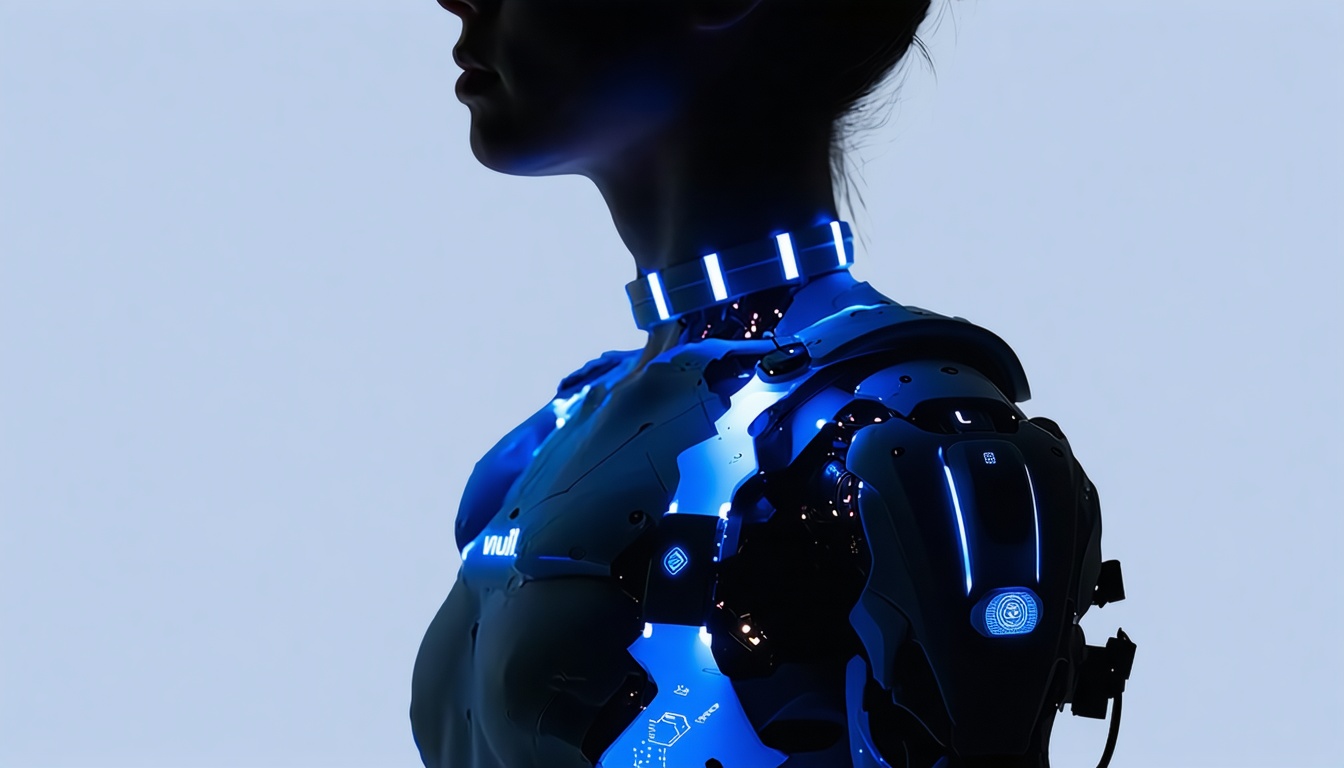
The Evolution of Fitness Technology
Introduction to Wearable Motion Tracking Devices
Wearable motion tracking devices have transformed the landscape of fitness technology. These innovative tools allow users to monitor their physical activity and performance in real-time. By integrating advanced sensors and data analytics, these devices provide valuable insights into movement patterns, helping individuals optimize their workouts and achieve their fitness goals.
The development of wearable motion tracking technology has been driven by advancements in sensor technology, data processing, and artificial intelligence. As a result, these devices have become more accessible and user-friendly, appealing to a wide range of fitness enthusiasts, from casual exercisers to professional athletes. For a deeper understanding of how these devices function, refer to our article on motion tracking technology in fitness.
Importance of Motion Tracking in Fitness
Motion tracking plays a crucial role in enhancing fitness performance. By accurately capturing data on movement, these devices enable users to assess their physical activity levels and identify areas for improvement. The benefits of motion tracking in fitness include:
| Benefit | Description |
|---|---|
| Performance Monitoring | Users can track metrics such as speed, distance, and calories burned, allowing for better performance evaluation. |
| Personalized Training | Data collected can be used to create tailored workout plans that cater to individual fitness levels and goals. |
| Injury Prevention | By analyzing movement patterns, users can identify potential risks and adjust their training to avoid injuries. |
The integration of wearable motion tracking devices into fitness routines empowers individuals to take control of their health and wellness. As small business owners explore opportunities in this field, understanding the significance of motion tracking technology can inform the development of effective AI solutions. For more insights into advanced applications, check out our article on advanced motion tracking solutions.
How Wearable Motion Tracking Devices Work
Understanding how wearable motion tracking devices function is essential for small business owners looking to develop AI solutions in fitness. These devices rely on various sensors to collect data, which is then analyzed to provide insights into performance.
Sensors and Data Collection
Wearable motion tracking devices are equipped with multiple sensors that capture different types of movement data. The most common sensors include accelerometers, gyroscopes, and magnetometers. Each sensor plays a unique role in gathering information about the user’s motion.
| Sensor Type | Functionality |
|---|---|
| Accelerometers | Measure acceleration and changes in speed |
| Gyroscopes | Track orientation and angular velocity |
| Magnetometers | Detect magnetic fields to determine direction |
These sensors work together to collect data on various aspects of physical activity, such as speed, distance, and direction. The data is then transmitted to a connected device, such as a smartphone or computer, for further analysis.
Data Analysis and Interpretation
Once the data is collected, it undergoes analysis to provide meaningful insights. The raw data from the sensors is processed using algorithms that interpret the movements and performance metrics. This analysis can reveal patterns in the user’s activity, helping to identify strengths and areas for improvement.
The processed data can be displayed in various formats, including graphs and charts, making it easier for users to understand their performance. For example, users can track their progress over time, set goals, and adjust their training programs accordingly. For more information on how this technology is applied in fitness, refer to our article on motion tracking technology in fitness.
By leveraging advanced motion tracking solutions, small business owners can create innovative products that enhance user experience and performance. For insights into the latest developments in this field, explore our article on advanced motion tracking solutions. Additionally, AI-powered motion analysis can further refine the data interpretation process, providing even deeper insights into athletic performance. Learn more about this in our article on ai-powered motion analysis in sports.
Benefits of Using Wearable Motion Tracking Devices
Wearable motion tracking devices offer numerous advantages for fitness enthusiasts and professionals alike. These benefits enhance workout experiences and contribute to overall performance improvement.
Enhanced Performance Monitoring
One of the primary benefits of wearable motion tracking devices is their ability to monitor performance in real-time. These devices collect data on various metrics, such as speed, distance, and heart rate, allowing users to assess their performance during workouts.
| Metric | Description |
|---|---|
| Speed | Measures how fast an individual is moving during an activity. |
| Distance | Tracks the total distance covered during a workout. |
| Heart Rate | Monitors the heart rate to gauge intensity levels. |
By analyzing this data, users can identify areas for improvement and adjust their training accordingly. This level of performance monitoring is crucial for athletes aiming to optimize their training regimens. For more insights on how motion tracking technology is applied in fitness, refer to our article on motion tracking technology in fitness.
Personalized Training Programs
Wearable motion tracking devices facilitate the creation of personalized training programs tailored to individual needs. By collecting data on a user’s performance, these devices can help trainers design specific workouts that target weaknesses and enhance strengths.
For instance, if a user consistently struggles with endurance, the device can suggest a training plan that focuses on building stamina. This personalized approach not only improves effectiveness but also keeps users motivated and engaged in their fitness journey.
| Training Focus | Suggested Activities |
|---|---|
| Endurance | Long-distance running, cycling, swimming |
| Strength | Weightlifting, resistance training |
| Flexibility | Yoga, stretching routines |
This customization is particularly beneficial for small business owners looking to develop advanced motion tracking solutions for their clients.
Injury Prevention
Another significant advantage of wearable motion tracking devices is their role in injury prevention. By monitoring movement patterns and biomechanics, these devices can identify improper techniques that may lead to injuries.
For example, if a user exhibits poor form during a workout, the device can provide feedback to correct the movement. This proactive approach helps users avoid injuries and promotes safer workout practices.
| Common Injuries | Indicators from Motion Tracking |
|---|---|
| Sprains | Irregular movement patterns |
| Strains | Excessive force on joints |
| Tendonitis | Repetitive motion alerts |
Incorporating wearable motion tracking devices into training regimens can significantly reduce the risk of injuries, making them an essential tool for fitness professionals. For further exploration of how AI enhances motion analysis in sports, check out our article on ai-powered motion analysis in sports.
Types of Wearable Motion Tracking Devices
Wearable motion tracking devices come in various forms, each utilizing different technologies to capture and analyze movement. Understanding these types can help small business owners identify the best solutions for their needs.
Accelerometers
Accelerometers are devices that measure acceleration forces. They can detect changes in speed and direction, making them essential for tracking movement in various activities. These sensors are commonly used in fitness trackers to monitor steps taken, distance traveled, and overall activity levels.
| Feature | Description |
|---|---|
| Measurement Range | Typically ±2g to ±16g |
| Applications | Step counting, activity recognition, fall detection |
| Data Output | Linear acceleration data in three axes (X, Y, Z) |
Gyroscopes
Gyroscopes measure the rate of rotation around an axis. They provide information about orientation and angular velocity, which is crucial for understanding how a body moves in space. In fitness applications, gyroscopes enhance the accuracy of motion tracking by providing data on rotational movements, such as twisting or turning.
| Feature | Description |
|---|---|
| Measurement Range | Typically ±250°/s to ±2000°/s |
| Applications | Balance tracking, posture analysis, rotational movement detection |
| Data Output | Angular velocity data in three axes (X, Y, Z) |
Magnetometers
Magnetometers measure magnetic fields and are often used to determine orientation relative to the Earth’s magnetic field. They complement accelerometers and gyroscopes by providing additional data for accurate motion tracking. In fitness devices, magnetometers can help in navigation and orientation during outdoor activities.
| Feature | Description |
|---|---|
| Measurement Range | Typically ±1 to ±8 Gauss |
| Applications | Directional tracking, navigation, orientation |
| Data Output | Magnetic field strength data in three axes (X, Y, Z) |
By integrating these technologies, wearable motion tracking devices can provide comprehensive data on physical activity. For more insights into how these devices enhance performance, explore our articles on motion tracking technology in fitness and ai-powered motion analysis in sports.
Integrating Motion Tracking Technology into Workouts
Wearable motion tracking devices have transformed the way individuals approach their fitness routines. By integrating this technology into workouts, users can gain valuable insights and enhance their overall performance.
Real-Time Feedback
One of the most significant advantages of wearable motion tracking devices is the ability to provide real-time feedback during workouts. This immediate information allows users to make adjustments to their form, technique, and intensity levels on the spot. For instance, if a user is performing a squat, the device can alert them if their posture is incorrect, helping to prevent injuries and improve effectiveness.
The following table illustrates the types of feedback that can be provided by wearable motion tracking devices:
| Feedback Type | Description |
|---|---|
| Posture Correction | Alerts users to improper alignment during exercises. |
| Pace Monitoring | Tracks speed and rhythm during activities like running or cycling. |
| Movement Efficiency | Analyzes the fluidity of movements to enhance performance. |
This real-time data empowers users to optimize their workouts, leading to better results over time. For more information on how motion tracking technology is applied in fitness, refer to our article on motion tracking technology in fitness.
Goal Setting and Progress Tracking
Wearable motion tracking devices also facilitate effective goal setting and progress tracking. Users can establish specific fitness objectives, such as increasing the number of steps taken daily or improving running speed. The devices monitor progress towards these goals, providing motivation and accountability.
The following table outlines common fitness goals and how wearable devices can assist in tracking them:
| Fitness Goal | Tracking Method |
|---|---|
| Daily Steps | Counts steps taken throughout the day. |
| Distance Run | Measures total distance covered during runs. |
| Workout Duration | Tracks time spent on various exercises. |
| Caloric Burn | Estimates calories burned based on activity level. |
By regularly reviewing progress, users can adjust their training programs as needed, ensuring they remain on track to meet their fitness aspirations. For advanced insights into motion tracking, explore our article on advanced motion tracking solutions.
Integrating wearable motion tracking devices into workouts not only enhances performance but also fosters a more personalized fitness experience. This technology is paving the way for smarter training methods and improved outcomes in the fitness industry. For insights on AI applications in sports, check out our article on ai-powered motion analysis in sports.
Considerations for Choosing a Wearable Motion Tracking Device
When selecting a wearable motion tracking device, several factors should be taken into account to ensure it meets the specific needs of the user. These considerations include accuracy and precision, comfort and fit, and compatibility with other devices.
Accuracy and Precision
Accuracy and precision are critical when evaluating wearable motion tracking devices. These devices must provide reliable data to effectively monitor performance and enhance training. The following table outlines common metrics and their importance in motion tracking:
| Metric | Importance |
|---|---|
| Step Count | Measures daily activity levels |
| Heart Rate | Monitors cardiovascular performance |
| Distance Traveled | Assesses workout intensity |
| Caloric Burn | Evaluates energy expenditure |
Devices that utilize advanced sensors and algorithms tend to offer higher accuracy. For more information on the technology behind these devices, refer to our article on motion tracking technology in fitness.
Comfort and Fit
Comfort and fit are essential for ensuring that users can wear the device for extended periods without discomfort. A well-fitting device encourages consistent use, which is vital for tracking progress effectively. Factors to consider include:
- Weight: Lighter devices are generally more comfortable.
- Strap Material: Breathable materials can enhance comfort during workouts.
- Adjustability: Devices with adjustable straps can accommodate different body types.
A comfortable device can lead to better adherence to fitness routines. For insights into advanced options, check out our article on advanced motion tracking solutions.
Compatibility with Other Devices
Compatibility with other devices is another important consideration. Many users prefer wearable motion tracking devices that can sync with smartphones, tablets, or fitness apps. This integration allows for seamless data sharing and enhanced functionality. Key compatibility features to look for include:
| Feature | Description |
|---|---|
| Bluetooth Connectivity | Enables wireless data transfer to smartphones |
| App Integration | Allows access to additional features and analytics |
| Cross-Device Functionality | Works with various fitness platforms |
Ensuring that a wearable motion tracking device is compatible with existing technology can enhance the overall user experience. For more on how AI enhances motion analysis, visit our article on ai-powered motion analysis in sports.
Looking to build something powerful for your business? At Kara Digital, we specialise in crafting high-performance solutions that drive real results. Whether you’re launching a cutting-edge mobile app or need a sleek, responsive website, our expert team is here to bring your ideas to life.