

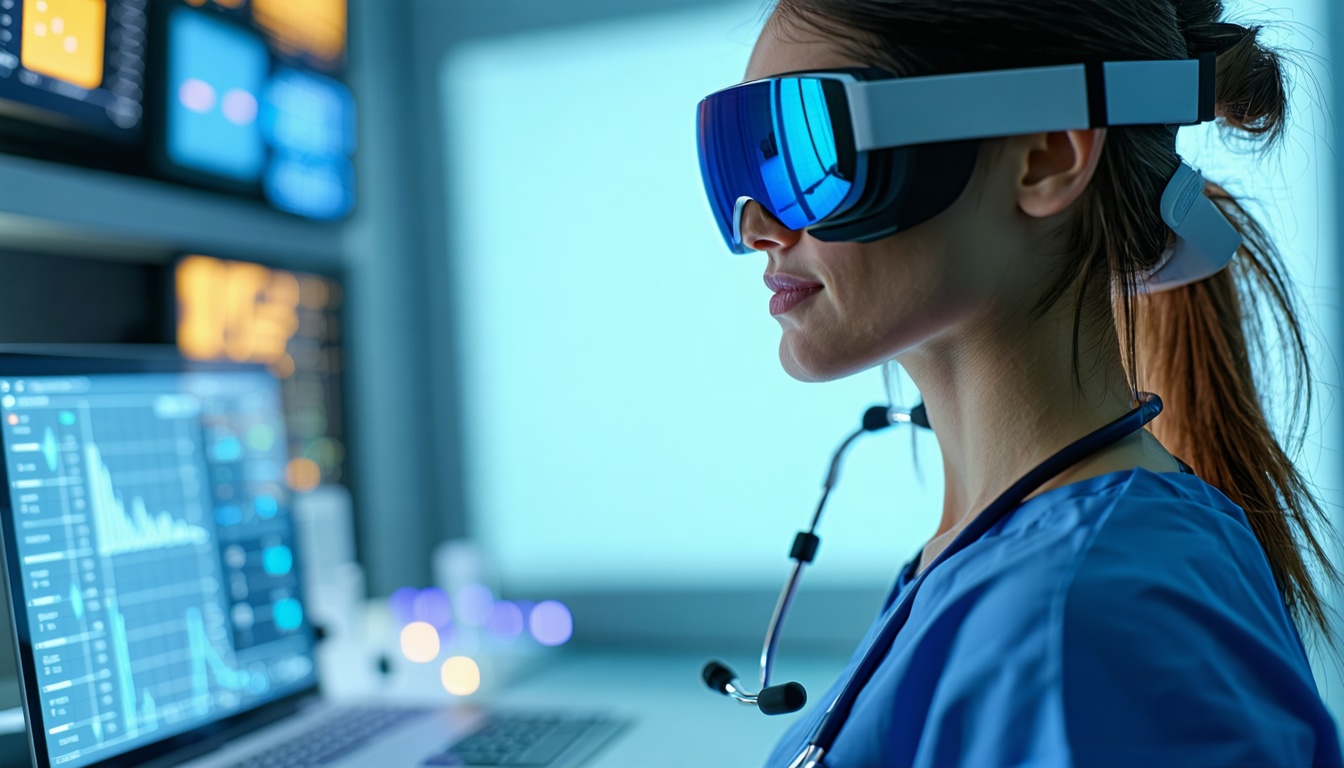
The Evolution of Telemedicine Wearable Devices
Introduction to Telemedicine Wearable Technology
Telemedicine wearable devices have transformed the landscape of healthcare by enabling continuous monitoring of patients outside traditional clinical settings. These devices, which include smartwatches, fitness trackers, and specialized medical sensors, collect vital health data in real-time. This evolution has been driven by advancements in technology, particularly in sensors, connectivity, and data analytics.
The integration of telemedicine wearable technology allows healthcare providers to track patients’ health metrics such as heart rate, blood pressure, and glucose levels remotely. This shift not only enhances patient engagement but also facilitates timely interventions when necessary. The growing demand for remote healthcare solutions has led to an increase in the development and adoption of these innovative devices.
| Year | Key Development in Telemedicine Wearable Devices |
|---|---|
| 2010 | Introduction of basic fitness trackers |
| 2015 | Launch of smartwatches with health monitoring features |
| 2020 | Emergence of advanced medical-grade wearables |
| 2023 | Integration of AI for predictive health analytics |
Importance of Remote Patient Monitoring
Remote patient monitoring (RPM) is a critical component of telemedicine that leverages wearable devices to enhance patient care. RPM allows healthcare providers to monitor patients’ health conditions in real-time, reducing the need for frequent in-person visits. This is particularly beneficial for patients with chronic conditions who require ongoing management.
The importance of RPM can be highlighted through several key benefits:
- Early Detection of Health Issues: Continuous monitoring enables healthcare providers to identify potential health problems before they escalate, leading to timely interventions.
- Increased Patient Compliance: Wearable devices encourage patients to take an active role in managing their health, leading to better adherence to treatment plans.
- Reduced Healthcare Costs: By minimizing hospital visits and readmissions, RPM can significantly lower healthcare expenses for both patients and providers.
| Benefit | Description |
|---|---|
| Early Detection | Identifies health issues promptly |
| Patient Compliance | Encourages active health management |
| Cost Reduction | Lowers overall healthcare expenses |
The integration of telemedicine wearable devices into healthcare systems is essential for improving patient outcomes and streamlining care delivery. For more insights on how these devices are utilized, explore our articles on remote patient monitoring wearables and wearable health technology integration.
Benefits of Telemedicine Wearable Devices
Telemedicine wearable devices offer numerous advantages that enhance patient care and streamline healthcare processes. These benefits are crucial for startups looking to develop AI solutions in the healthcare sector.
Enhanced Patient Care and Monitoring
Telemedicine wearables enable continuous monitoring of patients’ health metrics, allowing healthcare providers to track vital signs in real-time. This technology facilitates proactive care, as it alerts providers to any significant changes in a patient’s condition.
| Feature | Benefit |
|---|---|
| Continuous Monitoring | Real-time data collection for timely interventions |
| Remote Access | Patients can receive care from home, reducing hospital visits |
| Personalized Care | Tailored health plans based on individual data |
For more information on how these devices function, refer to our article on remote patient monitoring wearables.
Improved Health Outcomes
The integration of telemedicine wearable devices has been linked to improved health outcomes. By providing healthcare professionals with accurate and timely data, these devices help in making informed decisions regarding patient treatment.
| Health Outcome | Improvement Percentage |
|---|---|
| Reduced Hospital Readmissions | 30% |
| Increased Patient Engagement | 40% |
| Enhanced Chronic Disease Management | 25% |
These statistics highlight the effectiveness of wearable technology in managing chronic conditions and improving overall patient health. For further insights, explore our article on healthcare wearables for telemedicine.
Cost-Effectiveness in Healthcare
Telemedicine wearable devices contribute to cost savings for both healthcare providers and patients. By reducing the need for in-person visits and hospitalizations, these devices lower healthcare costs significantly.
| Cost Factor | Traditional Care | Telemedicine Wearables |
|---|---|---|
| Average Cost per Patient Visit | $150 | $50 |
| Annual Monitoring Costs | $1,200 | $600 |
| Total Cost Savings | N/A | 50% |
The financial benefits of integrating wearable technology into healthcare systems are substantial. Startups interested in this field can learn more about the integration process in our article on integrating wearables in telemedicine.
The advantages of telemedicine wearable devices are clear, making them an essential component of modern healthcare solutions.
Integration of AI in Telemedicine Wearable Devices
The integration of artificial intelligence (AI) in telemedicine wearable devices is transforming the landscape of remote patient monitoring. This technology enhances the capabilities of wearables, allowing for more effective health management and data analysis.
Role of Artificial Intelligence in Remote Patient Monitoring
AI plays a crucial role in the functionality of telemedicine wearable devices. It enables these devices to collect, analyze, and interpret vast amounts of health data in real-time. This capability allows healthcare providers to monitor patients’ conditions continuously, leading to timely interventions when necessary.
AI algorithms can identify patterns and anomalies in the data collected from wearables, such as heart rate, blood pressure, and activity levels. This information can be used to predict potential health issues before they escalate, improving patient outcomes. The following table illustrates the key functions of AI in remote patient monitoring:
| AI Functionality | Description |
|---|---|
| Data Analysis | Processes large datasets to identify trends and anomalies. |
| Predictive Analytics | Forecasts potential health risks based on historical data. |
| Real-Time Monitoring | Provides continuous updates on patient health metrics. |
| Automated Alerts | Notifies healthcare providers of critical changes in patient conditions. |
AI-Driven Insights for Healthcare Providers
AI-driven insights derived from telemedicine wearable devices empower healthcare providers with actionable information. These insights facilitate informed decision-making and personalized care plans tailored to individual patient needs.
By leveraging AI, healthcare professionals can access comprehensive reports that summarize patient data, highlighting significant changes and trends. This information can enhance the quality of care provided, as it allows for more targeted interventions. The following table outlines the benefits of AI-driven insights for healthcare providers:
| Benefit | Description |
|---|---|
| Enhanced Decision-Making | Provides data-driven recommendations for patient care. |
| Improved Patient Engagement | Encourages patients to take an active role in their health management. |
| Streamlined Workflow | Reduces the time spent on manual data analysis and reporting. |
| Increased Efficiency | Optimizes resource allocation and care delivery processes. |
The integration of AI in telemedicine wearable devices not only improves remote patient monitoring but also enhances the overall healthcare experience. For more information on wearable health technology integration, visit our article on wearable health technology integration.
Challenges and Considerations
As telemedicine wearable devices continue to evolve, several challenges and considerations must be addressed to ensure their successful integration into healthcare systems. These include data security and privacy concerns, regulatory compliance, and user adoption and accessibility.
Data Security and Privacy Concerns
The use of telemedicine wearable devices raises significant data security and privacy issues. These devices collect sensitive health information, which can be vulnerable to breaches if not adequately protected. Ensuring the confidentiality and integrity of patient data is paramount for healthcare providers and technology developers.
| Concern | Description |
|---|---|
| Data Breaches | Unauthorized access to sensitive health information can lead to identity theft and loss of patient trust. |
| Compliance with Regulations | Adhering to regulations such as HIPAA is essential to protect patient data. |
| User Awareness | Patients must be educated on how their data is used and protected. |
Regulatory Compliance in Telemedicine
Regulatory compliance is a critical aspect of implementing telemedicine wearable devices. Healthcare providers and technology developers must navigate a complex landscape of regulations to ensure that their devices meet legal standards. This includes obtaining necessary approvals and certifications before deployment.
| Regulation | Description |
|---|---|
| HIPAA | Ensures the protection of patient health information in the United States. |
| FDA Regulations | Governs the approval and monitoring of medical devices, including wearables. |
| GDPR | Protects personal data and privacy for individuals within the European Union. |
User Adoption and Accessibility
User adoption and accessibility are vital for the success of telemedicine wearable devices. For these technologies to be effective, patients must be willing and able to use them. This involves addressing barriers such as technological literacy, affordability, and physical accessibility.
| Factor | Description |
|---|---|
| Technological Literacy | Patients need to understand how to use wearable devices effectively. |
| Cost | Affordability can limit access to telemedicine wearables for some patients. |
| Physical Accessibility | Devices must be designed to accommodate users with varying physical abilities. |
Addressing these challenges is essential for the successful integration of telemedicine wearable devices into healthcare systems. By focusing on data security, regulatory compliance, and user adoption, stakeholders can enhance the effectiveness of remote patient monitoring wearables and improve patient outcomes. For more insights on the integration of wearable health technology, visit our article on wearable health technology integration.
Future Trends in Telemedicine Wearable Devices
The landscape of telemedicine wearable devices is rapidly evolving, driven by technological advancements and the increasing demand for remote patient monitoring solutions. This section explores the latest trends in wearable health technology and their potential impact on the healthcare industry.
Advancements in Wearable Health Tech
Recent innovations in wearable health technology are enhancing the capabilities of telemedicine devices. These advancements include improved sensors, longer battery life, and more sophisticated data analytics.
| Feature | Description |
|---|---|
| Advanced Sensors | New sensors can monitor a wider range of health metrics, including heart rate variability, blood oxygen levels, and even glucose levels. |
| Battery Life | Enhanced battery technology allows wearables to function longer without needing frequent recharges, increasing user convenience. |
| Data Analytics | Integration of AI algorithms enables real-time data analysis, providing actionable insights for both patients and healthcare providers. |
These improvements are making telemedicine wearable devices more effective for remote patient monitoring. As a result, healthcare providers can offer more personalized care and timely interventions.
Potential Impact on Healthcare Industry
The integration of telemedicine wearable devices is poised to transform the healthcare industry significantly. The following points highlight the potential impacts:
| Impact Area | Description |
|---|---|
| Patient Engagement | Wearable devices encourage patients to take an active role in their health management, leading to better adherence to treatment plans. |
| Cost Reduction | By enabling remote monitoring, healthcare systems can reduce hospital readmissions and emergency visits, ultimately lowering costs. |
| Data-Driven Decisions | The wealth of data collected from wearables allows healthcare providers to make informed decisions, improving overall patient outcomes. |
As telemedicine wearable devices continue to advance, their role in healthcare will expand, leading to more efficient and effective patient care. For more insights on the integration of wearable technology in telemedicine, visit our article on integrating wearables in telemedicine.
Want to grow your business online with smarter strategies? Kara Digital offers data-driven digital marketing services and powerful AI solutions to help you scale faster and more efficiently. Let’s turn your vision into measurable success.