

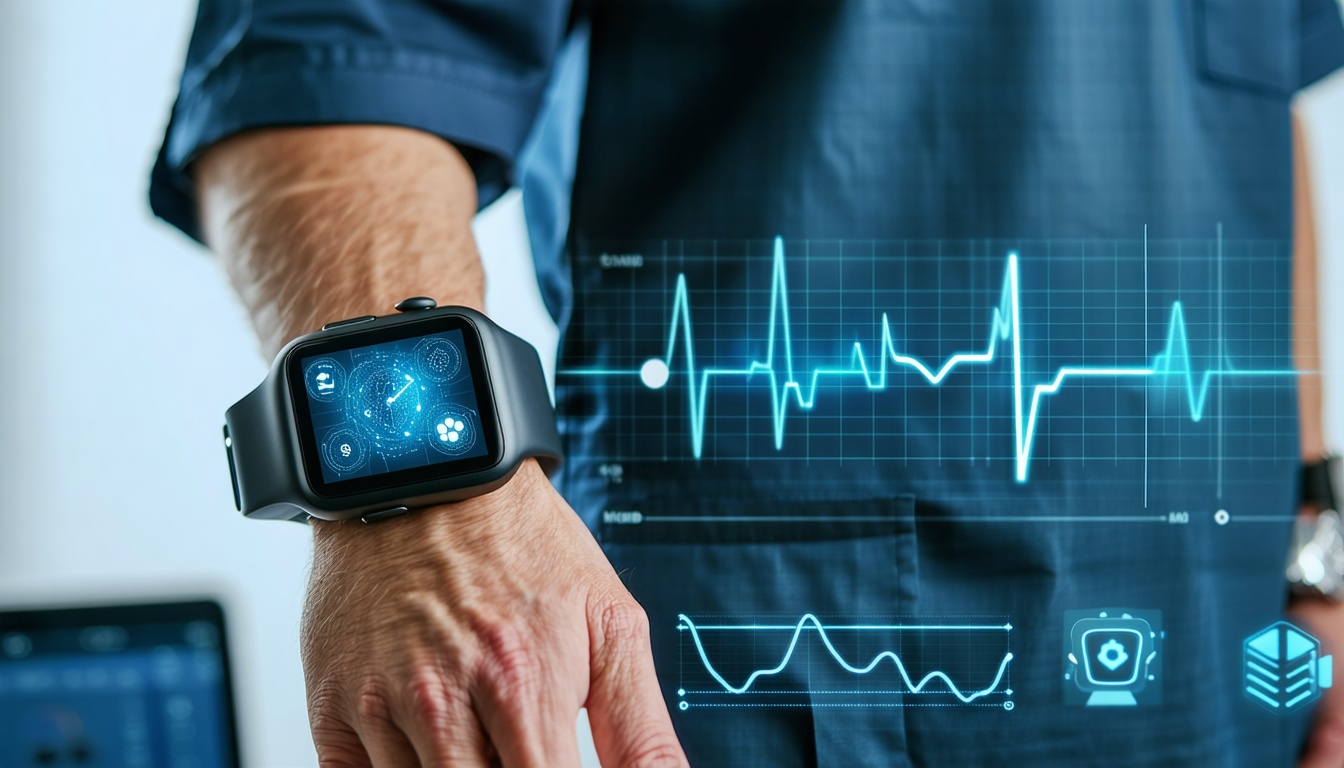
The Evolution of Telemedicine
Overview of Telemedicine
Telemedicine has transformed the way healthcare is delivered, allowing patients to receive medical care remotely. This approach utilizes technology to connect healthcare providers with patients, enabling consultations, diagnoses, and treatment plans without the need for in-person visits. The rise of telemedicine has been driven by advancements in communication technology, making healthcare more accessible and efficient.
The integration of telemedicine into healthcare systems has led to significant improvements in patient outcomes. It allows for timely interventions, reduces travel time for patients, and can lower healthcare costs. As telemedicine continues to evolve, the role of healthcare wearables becomes increasingly important in enhancing remote monitoring capabilities.
Importance of Remote Patient Monitoring
Remote patient monitoring (RPM) is a critical component of telemedicine, enabling healthcare providers to track patients’ health data in real-time. This approach is particularly beneficial for managing chronic conditions, where continuous monitoring can lead to better health management and early detection of potential issues.
Healthcare wearables play a vital role in RPM by collecting and transmitting health data such as heart rate, blood pressure, and activity levels. The following table highlights the key benefits of remote patient monitoring through healthcare wearables:
| Benefit | Description |
|---|---|
| Improved Patient Engagement | Patients are more involved in their health management, leading to better adherence to treatment plans. |
| Early Detection of Health Issues | Continuous monitoring allows for timely interventions, reducing the risk of complications. |
| Enhanced Data Collection | Wearables provide accurate and consistent data, improving the quality of care. |
| Cost-Effectiveness | RPM can reduce hospital visits and associated costs, benefiting both patients and healthcare systems. |
The integration of wearable health technology into telemedicine enhances the effectiveness of remote patient monitoring. As healthcare continues to embrace digital solutions, the demand for healthcare wearables for telemedicine is expected to grow, paving the way for innovative solutions in patient care.
Role of Healthcare Wearables
Integration of Wearable Health Tech in Telemedicine
Healthcare wearables play a significant role in the integration of technology within telemedicine. These devices, which include smartwatches, fitness trackers, and medical-grade wearables, enable continuous monitoring of patients’ health metrics. By collecting real-time data, healthcare providers can make informed decisions and provide timely interventions.
The integration of wearable health technology in telemedicine allows for seamless communication between patients and healthcare professionals. Data collected from wearables can be transmitted directly to healthcare systems, facilitating remote consultations and reducing the need for in-person visits. This is particularly beneficial for patients with chronic conditions who require regular monitoring.
| Type of Wearable | Key Features | Integration Benefits |
|---|---|---|
| Smartwatches | Heart rate monitoring, activity tracking | Easy access to health data, user-friendly interface |
| Medical-grade Wearables | ECG monitoring, blood pressure tracking | High accuracy, compliance with medical standards |
| Fitness Trackers | Step counting, sleep tracking | Encourages healthy habits, real-time feedback |
For more information on how wearables are being integrated into telemedicine, refer to our article on integrating wearables in telemedicine.
Benefits of Healthcare Wearables for Remote Monitoring
Healthcare wearables offer numerous advantages for remote patient monitoring. These benefits enhance patient care and improve health outcomes.
Continuous Monitoring: Wearables provide ongoing tracking of vital signs, allowing for early detection of potential health issues. This continuous data stream is crucial for managing chronic diseases.
Improved Patient Engagement: By empowering patients to monitor their own health, wearables encourage active participation in their care. This can lead to better adherence to treatment plans and lifestyle changes.
Data-Driven Insights: The data collected from wearables can be analyzed to identify trends and patterns in a patient’s health. This information can inform personalized treatment strategies and improve overall care.
Cost-Effectiveness: Remote monitoring through wearables can reduce healthcare costs by minimizing hospital visits and emergency interventions. This is particularly beneficial for healthcare systems facing budget constraints.
Enhanced Communication: Wearables facilitate better communication between patients and healthcare providers. Real-time data sharing allows for timely adjustments to treatment plans based on the patient’s current condition.
| Benefit | Description |
|---|---|
| Continuous Monitoring | Ongoing tracking of vital signs for early detection |
| Improved Patient Engagement | Encourages active participation in health management |
| Data-Driven Insights | Analyzes trends for personalized treatment |
| Cost-Effectiveness | Reduces hospital visits and emergency care |
| Enhanced Communication | Facilitates real-time data sharing with providers |
For further insights into the advantages of wearable health technology, explore our article on wearable health technology integration.
Types of Healthcare Wearables
Healthcare wearables play a significant role in telemedicine by enabling remote patient monitoring. Various types of wearables are available, each serving different purposes and functionalities. This section will explore three main categories: smartwatches and fitness trackers, medical-grade wearables, and wearable biosensors.
Smartwatches and Fitness Trackers
Smartwatches and fitness trackers are among the most popular healthcare wearables. These devices are designed to monitor daily activities, track fitness goals, and provide health-related data. They often include features such as heart rate monitoring, step counting, and sleep tracking.
| Feature | Smartwatches | Fitness Trackers |
|---|---|---|
| Heart Rate Monitoring | Yes | Yes |
| GPS Tracking | Yes | Limited |
| Sleep Tracking | Yes | Yes |
| Notifications | Yes | No |
Smartwatches typically offer more advanced functionalities, including notifications for calls and messages, while fitness trackers focus primarily on health metrics. Both types of devices can be integrated into telemedicine platforms, providing valuable data for healthcare providers. For more information on how these devices fit into telemedicine, visit our article on telemedicine wearable devices.
Medical-grade Wearables
Medical-grade wearables are specifically designed for clinical use and provide more accurate and reliable health data compared to consumer-grade devices. These wearables are often used in remote patient monitoring to track vital signs and other health metrics.
| Device Type | Common Uses | Accuracy Level |
|---|---|---|
| ECG Monitors | Heart health | High |
| Glucose Monitors | Diabetes management | High |
| Blood Pressure Monitors | Hypertension | High |
Medical-grade wearables are subject to strict regulatory standards, ensuring their reliability in clinical settings. They can transmit data directly to healthcare providers, facilitating timely interventions. For insights on integrating these devices into telemedicine, refer to our article on integrating wearables in telemedicine.
Wearable Biosensors
Wearable biosensors are advanced devices that monitor specific biological markers in real-time. These sensors can track a variety of health metrics, including glucose levels, hydration status, and even stress levels.
| Biosensor Type | Monitored Metric | Application |
|---|---|---|
| Glucose Sensors | Blood sugar levels | Diabetes management |
| Hydration Sensors | Hydration levels | Athletic performance |
| Stress Sensors | Cortisol levels | Mental health monitoring |
Wearable biosensors provide continuous monitoring, allowing for proactive health management. The data collected can be crucial for healthcare providers in making informed decisions regarding patient care. For more on the integration of these technologies, see our article on wearable health technology integration.
The variety of healthcare wearables available today enhances the capabilities of telemedicine, making remote patient monitoring more effective and efficient. Each type of wearable serves a unique purpose, contributing to improved patient outcomes and streamlined healthcare delivery. For further exploration of remote patient monitoring wearables, check out our article on remote patient monitoring wearables.
Data Collection and Analysis
The integration of healthcare wearables in telemedicine has transformed the way patient data is collected and analyzed. These devices play a crucial role in monitoring vital signs, tracking health trends, and utilizing artificial intelligence for data interpretation.
Monitoring Vital Signs
Healthcare wearables are equipped to monitor essential vital signs such as heart rate, blood pressure, and oxygen saturation. This real-time data collection allows healthcare providers to assess a patient’s condition without the need for in-person visits.
| Vital Sign | Typical Range | Wearable Device Capability |
|---|---|---|
| Heart Rate | 60-100 bpm | Continuous monitoring |
| Blood Pressure | 120/80 mmHg | Periodic readings |
| Oxygen Saturation | 95-100% | Continuous monitoring |
These capabilities enable proactive management of health conditions, allowing for timely interventions when necessary. For more information on specific devices, refer to our article on telemedicine wearable devices.
Tracking Health Trends
Wearable health technology also facilitates the tracking of health trends over time. By collecting data continuously, these devices can identify patterns that may indicate changes in a patient’s health status. This long-term data collection is essential for chronic disease management and preventive care.
| Health Trend | Example Data Points | Importance |
|---|---|---|
| Weight Changes | Daily weight measurements | Identifying obesity or malnutrition |
| Activity Levels | Steps taken, calories burned | Assessing physical fitness |
| Sleep Patterns | Hours slept, sleep quality | Understanding overall health |
Tracking these trends helps healthcare providers make informed decisions regarding treatment plans and lifestyle recommendations. For insights on the integration of wearables in telemedicine, visit our article on integrating wearables in telemedicine.
Utilizing AI for Data Interpretation
Artificial intelligence plays a significant role in interpreting the vast amounts of data collected by healthcare wearables. AI algorithms can analyze patterns and anomalies in the data, providing healthcare professionals with actionable insights.
| AI Application | Functionality | Benefits |
|---|---|---|
| Predictive Analytics | Forecasting potential health issues | Early intervention opportunities |
| Anomaly Detection | Identifying unusual patterns | Reducing false alarms and unnecessary visits |
| Personalized Recommendations | Tailoring health advice | Enhancing patient engagement and compliance |
The use of AI in data interpretation not only improves the accuracy of health assessments but also enhances the overall efficiency of telemedicine services. For further exploration of wearable health technology, check out our article on wearable health technology integration.
Challenges and Considerations
As healthcare wearables become increasingly integrated into telemedicine, several challenges and considerations must be addressed to ensure their effectiveness and reliability. These include data security and privacy, accuracy and reliability, and user adoption and compliance.
Data Security and Privacy
The use of healthcare wearables raises significant concerns regarding data security and patient privacy. Sensitive health information collected by these devices can be vulnerable to breaches if not adequately protected. Ensuring that data is encrypted and securely transmitted is essential to maintain patient confidentiality.
| Security Measure | Description |
|---|---|
| Data Encryption | Protects data by converting it into a secure format. |
| Secure Transmission | Uses protocols to ensure data is sent safely over networks. |
| Access Controls | Limits who can view or interact with sensitive information. |
Healthcare providers and developers must prioritize robust security measures to build trust with users. For more insights on the integration of wearables in telemedicine, refer to our article on integrating wearables in telemedicine.
Accuracy and Reliability
The effectiveness of healthcare wearables for telemedicine hinges on their accuracy and reliability. Inaccurate readings can lead to misdiagnoses or inappropriate treatment plans. It is crucial for developers to ensure that devices are rigorously tested and validated before being used in clinical settings.
| Device Type | Accuracy Rate (%) |
|---|---|
| Smartwatches | 85 – 90 |
| Medical-grade Wearables | 95 – 98 |
| Wearable Biosensors | 90 – 95 |
Regular calibration and updates are necessary to maintain the accuracy of these devices. For more information on the types of wearables, check out our article on telemedicine wearable devices.
User Adoption and Compliance
User adoption and compliance are critical factors in the success of healthcare wearables in telemedicine. Patients must be willing to use these devices consistently for remote monitoring to be effective. Factors influencing adoption include ease of use, comfort, and perceived value of the data collected.
| Factor | Influence on Adoption |
|---|---|
| User Interface | A simple, intuitive design encourages usage. |
| Comfort | Wearables must be comfortable for long-term wear. |
| Education | Providing information on benefits can enhance compliance. |
Healthcare providers should focus on educating patients about the advantages of using wearables for their health management. For further details on wearable health technology integration, visit our article on wearable health technology integration.
Future Trends in Healthcare Wearables
The landscape of healthcare wearables is rapidly evolving, driven by advancements in technology and the increasing demand for effective telemedicine solutions. This section explores the future trends in healthcare wearables, focusing on technological advancements, potential impacts on telemedicine, and opportunities for innovation.
Advancements in Wearable Technology
Recent developments in wearable technology are enhancing the capabilities of healthcare wearables for telemedicine. Innovations include improved sensors, longer battery life, and enhanced connectivity features. These advancements allow for more accurate data collection and real-time monitoring of patients’ health.
| Feature | Current Capability | Future Potential |
|---|---|---|
| Sensor Accuracy | Moderate | High |
| Battery Life | 24-48 hours | Several days |
| Connectivity | Bluetooth, Wi-Fi | 5G, IoT integration |
| Data Processing | Basic analytics | AI-driven insights |
As technology continues to advance, healthcare wearables are expected to become more sophisticated, enabling better integration with telemedicine platforms. For more information on how wearables are integrated into telemedicine, visit our article on integrating wearables in telemedicine.
Potential Impact on Telemedicine
The integration of advanced healthcare wearables into telemedicine is likely to have a significant impact on patient care. These devices can facilitate continuous monitoring, allowing healthcare providers to track patients’ health status in real-time. This capability can lead to timely interventions and improved health outcomes.
| Impact Area | Current State | Future Outlook |
|---|---|---|
| Patient Engagement | Moderate | High |
| Remote Consultations | Limited | Widespread |
| Chronic Disease Management | Reactive | Proactive |
As healthcare wearables become more prevalent, they will enhance the overall telemedicine experience, making it more efficient and effective. For insights into the types of wearable devices used in telemedicine, refer to our article on telemedicine wearable devices.
Opportunities for Innovation
The future of healthcare wearables presents numerous opportunities for innovation. Startups focusing on AI solutions can explore various avenues, such as developing algorithms for predictive analytics, enhancing user interfaces, and creating personalized health management plans.
| Innovation Area | Description |
|---|---|
| Predictive Analytics | Using AI to forecast health issues based on collected data. |
| User Experience | Designing intuitive interfaces for better patient interaction. |
| Personalized Health Plans | Tailoring health recommendations based on individual data. |
By leveraging these opportunities, startups can contribute to the evolution of healthcare wearables, ultimately improving remote patient monitoring and telemedicine services. For more on the integration of wearable health technology, check out our article on wearable health technology integration.
Want to grow your business online with smarter strategies? Kara Digital offers data-driven digital marketing services and powerful AI solutions to help you scale faster and more efficiently. Let’s turn your vision into measurable success.