
Remote Patient Monitoring in Healthcare
The Evolution of Remote Patient Monitoring
Remote patient monitoring (RPM) has undergone significant transformation over the years. Initially, healthcare providers relied on traditional methods of patient monitoring, which often required in-person visits. As technology advanced, the introduction of telemedicine paved the way for more efficient and effective patient care. RPM emerged as a solution to bridge the gap between patients and healthcare providers, allowing for continuous monitoring of health conditions from the comfort of home.
The evolution of RPM can be categorized into several key phases:
| Phase | Description |
|---|---|
| Early 2000s | Introduction of basic telehealth services, primarily for chronic disease management. |
| 2010s | Growth of mobile health applications and devices, enabling remote monitoring of vital signs. |
| Present | Integration of advanced wearables and AI solutions, enhancing data collection and analysis. |
This progression highlights the increasing reliance on technology to improve patient outcomes and streamline healthcare processes.
Importance of Wearable Health Tech Integration
The integration of wearable health technology into remote patient monitoring is crucial for several reasons. Wearables, such as smartwatches and fitness trackers, provide real-time data that can be invaluable for healthcare providers. This data allows for timely interventions and personalized care plans tailored to individual patient needs.
Key benefits of integrating wearables in RPM include:
| Benefit | Description |
|---|---|
| Enhanced Data Accuracy | Wearables provide precise measurements of vital signs, reducing the risk of human error. |
| Increased Patient Engagement | Patients are more likely to take an active role in their health when using wearables. |
| Streamlined Communication | Wearable devices facilitate seamless communication between patients and healthcare providers. |
The importance of wearable health technology integration cannot be overstated, as it plays a vital role in improving the overall effectiveness of remote patient monitoring. By leveraging these technologies, healthcare providers can offer more comprehensive care, ultimately leading to better health outcomes for patients. For more insights on this topic, refer to our article on integrating wearables in telemedicine.
Benefits of Remote Patient Monitoring Wearables
Remote patient monitoring wearables offer numerous advantages that enhance healthcare delivery and patient outcomes. These devices play a crucial role in continuous health monitoring, early detection of health issues, and improved patient engagement.
Continuous Health Monitoring
One of the primary benefits of remote patient monitoring wearables is their ability to provide continuous health monitoring. These devices track vital signs and health metrics in real-time, allowing healthcare providers to monitor patients’ conditions without the need for frequent in-person visits.
| Health Metric | Monitoring Frequency |
|---|---|
| Heart Rate | Continuous |
| Blood Pressure | Every 15 minutes |
| Blood Glucose | Every hour |
| Oxygen Saturation | Continuous |
This constant stream of data enables healthcare professionals to make informed decisions and adjust treatment plans as necessary. For more information on how these devices function, refer to our article on wearable health technology integration.
Early Detection of Health Issues
Remote patient monitoring wearables facilitate the early detection of potential health issues. By continuously tracking health metrics, these devices can identify abnormal patterns that may indicate a developing condition.
For instance, a sudden increase in heart rate or irregular blood pressure readings can prompt immediate medical attention. Early intervention can significantly improve patient outcomes and reduce the risk of complications.
| Condition | Early Detection Metric |
|---|---|
| Heart Disease | Elevated heart rate |
| Hypertension | Increased blood pressure |
| Diabetes | Abnormal blood glucose levels |
This proactive approach to health management is essential for chronic disease management and can lead to better long-term health outcomes. For insights on integrating wearables in telemedicine, visit our article on integrating wearables in telemedicine.
Improved Patient Engagement
Remote patient monitoring wearables also enhance patient engagement in their own healthcare. These devices empower individuals to take an active role in monitoring their health, leading to increased awareness and responsibility for their well-being.
Patients can access their health data through mobile applications, allowing them to track their progress and communicate effectively with healthcare providers. This level of engagement fosters a collaborative relationship between patients and providers, ultimately leading to better adherence to treatment plans.
| Engagement Factor | Impact |
|---|---|
| Access to Health Data | Increased awareness |
| Communication with Providers | Improved adherence |
| Personal Health Goals | Enhanced motivation |
By utilizing remote patient monitoring wearables, healthcare providers can create a more patient-centered approach to care, which is essential for successful health outcomes. For more on the role of wearables in telemedicine, check out our article on healthcare wearables for telemedicine.
Types of Remote Patient Monitoring Wearables
Remote patient monitoring wearables come in various forms, each designed to cater to specific health monitoring needs. The three primary types include smartwatches, fitness trackers, and medical-grade wearables. Each type offers unique features and functionalities that contribute to effective health management.
Smartwatches
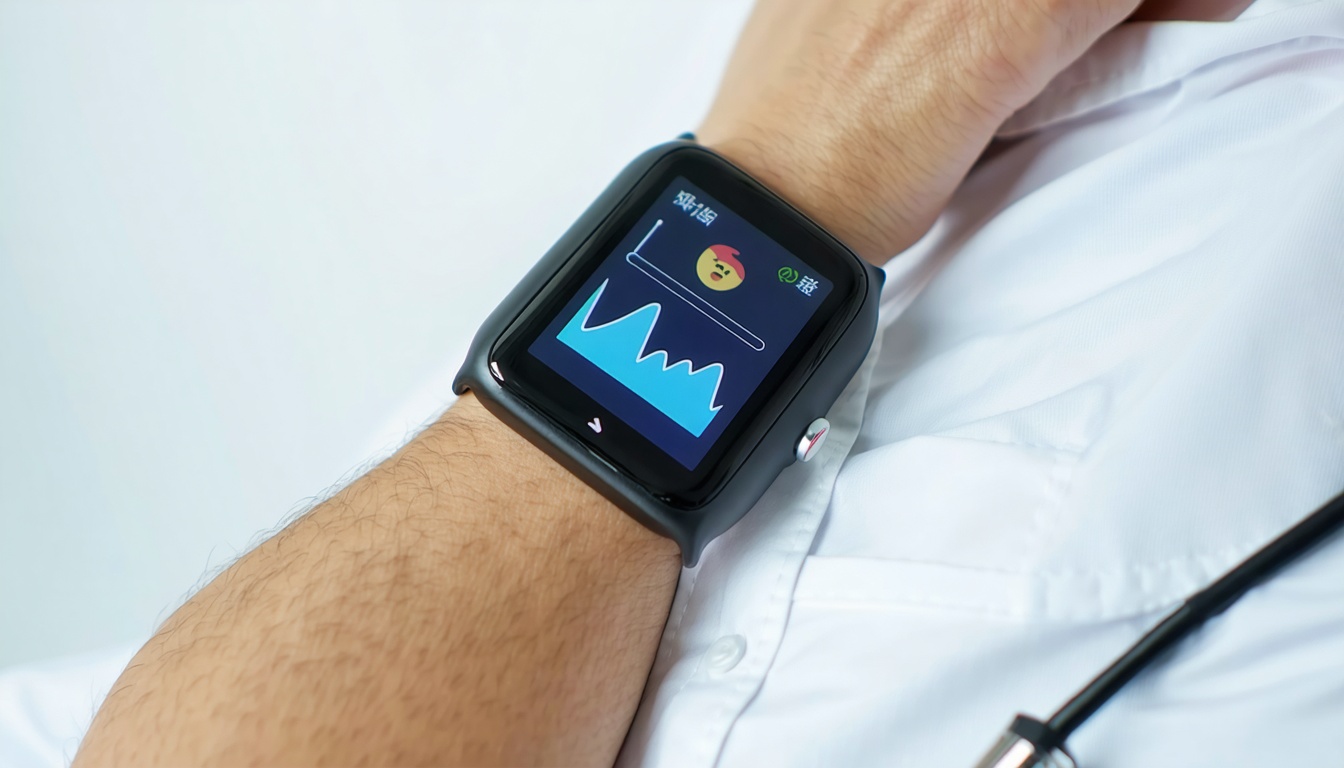
Smartwatches are multifunctional devices that not only tell time but also monitor various health metrics. They typically include features such as heart rate monitoring, sleep tracking, and activity logging. Many smartwatches also support notifications and apps that enhance user engagement with their health data.
| Feature | Description |
|---|---|
| Heart Rate Monitoring | Tracks heart rate continuously or at intervals. |
| Sleep Tracking | Monitors sleep patterns and quality. |
| Activity Tracking | Records steps, workouts, and calories burned. |
| Notifications | Alerts for calls, messages, and app updates. |
Smartwatches can be integrated with telemedicine platforms, allowing healthcare providers to access real-time data. This integration enhances patient engagement and facilitates timely interventions. For more information on wearable technology in telemedicine, visit our article on telemedicine wearable devices.
Fitness Trackers
Fitness trackers are designed primarily for physical activity monitoring. They focus on tracking steps, distance, calories burned, and sometimes heart rate. These devices are often more affordable than smartwatches and are popular among individuals looking to improve their fitness levels.
| Feature | Description |
|---|---|
| Step Counting | Measures the number of steps taken throughout the day. |
| Calorie Tracking | Estimates calories burned based on activity levels. |
| Heart Rate Monitoring | Some models include heart rate sensors. |
| Syncing Capabilities | Connects to smartphones for data analysis. |
Fitness trackers can play a significant role in remote patient monitoring by encouraging users to maintain an active lifestyle. They can also provide valuable data to healthcare providers, contributing to personalized health plans. For insights on integrating wearables in telemedicine, check our article on integrating wearables in telemedicine.
Medical-grade Wearables
Medical-grade wearables are designed for clinical use and provide accurate health data for monitoring specific medical conditions. These devices often require regulatory approval and are used in conjunction with healthcare providers to manage chronic diseases or monitor vital signs.
| Feature | Description |
|---|---|
| ECG Monitoring | Records electrical activity of the heart. |
| Blood Pressure Monitoring | Measures blood pressure levels. |
| Glucose Monitoring | Tracks blood sugar levels for diabetic patients. |
| Regulatory Compliance | Meets strict health regulations for accuracy. |
Medical-grade wearables are essential for patients with chronic conditions, as they provide critical data that can lead to timely medical interventions. These devices enhance the overall effectiveness of remote patient monitoring systems. For more on wearable health technology integration, visit our article on wearable health technology integration.
Understanding the different types of remote patient monitoring wearables is crucial for startups looking to develop AI solutions in healthcare. Each type offers unique benefits that can enhance patient care and engagement.
Integration of Wearables in Telemedicine
The integration of remote patient monitoring wearables into telemedicine is transforming healthcare delivery. These devices enhance the quality of care by providing real-time data and facilitating better communication between patients and healthcare providers.
Enhancing Telemedicine Services
Wearable health technology plays a crucial role in enhancing telemedicine services. By allowing continuous monitoring of vital signs and health metrics, these devices enable healthcare professionals to make informed decisions without the need for in-person visits. This is particularly beneficial for patients with chronic conditions who require regular monitoring.
The following table outlines key enhancements provided by wearables in telemedicine:
| Enhancement | Description |
|---|---|
| Real-time Monitoring | Continuous tracking of health metrics such as heart rate, blood pressure, and glucose levels. |
| Remote Consultations | Patients can share data with healthcare providers during virtual visits, improving diagnosis and treatment. |
| Increased Accessibility | Patients in remote areas can access healthcare services without traveling long distances. |
| Personalized Care | Data from wearables allows for tailored treatment plans based on individual health needs. |
For more information on how wearables are utilized in telemedicine, refer to our article on telemedicine wearable devices.
Data Collection and Analysis
The data collected from remote patient monitoring wearables is invaluable for healthcare providers. These devices gather a wealth of information that can be analyzed to identify trends, track patient progress, and detect potential health issues early.
The following table highlights the types of data collected by wearables and their significance:
| Data Type | Significance |
|---|---|
| Heart Rate | Monitoring cardiovascular health and detecting irregularities. |
| Activity Levels | Assessing physical activity and encouraging healthier lifestyles. |
| Sleep Patterns | Identifying sleep disorders and their impact on overall health. |
| Blood Oxygen Levels | Monitoring respiratory health and detecting potential complications. |
The integration of this data into telemedicine platforms allows for comprehensive patient profiles, enabling healthcare providers to deliver more effective care. For further insights on the integration process, visit our article on integrating wearables in telemedicine.
By leveraging the capabilities of remote patient monitoring wearables, telemedicine can provide a more efficient and effective healthcare experience for both patients and providers. The ongoing development in wearable health technology integration continues to shape the future of healthcare delivery.
Challenges and Considerations
As the adoption of remote patient monitoring wearables increases, several challenges and considerations must be addressed to ensure their effective integration into healthcare systems.
Data Security and Privacy
Data security and privacy are paramount concerns when it comes to remote patient monitoring wearables. These devices collect sensitive health information, which can be vulnerable to breaches if not properly protected. Ensuring that data is encrypted during transmission and storage is essential to safeguard patient information.
Healthcare providers must comply with regulations such as HIPAA (Health Insurance Portability and Accountability Act) to protect patient privacy. Regular audits and updates to security protocols are necessary to mitigate risks associated with data breaches.
| Security Measure | Description |
|---|---|
| Data Encryption | Protects data during transmission and storage. |
| Access Controls | Limits who can view or modify patient data. |
| Regular Audits | Ensures compliance with security standards. |
Interoperability with Existing Systems
Interoperability is another significant challenge in the integration of remote patient monitoring wearables. These devices must seamlessly communicate with existing healthcare systems, such as electronic health records (EHRs) and telemedicine platforms.
Lack of standardization can lead to difficulties in data sharing and integration, which may hinder the effectiveness of remote monitoring solutions. Developing APIs (Application Programming Interfaces) and adopting common data formats can facilitate smoother integration and improve overall functionality.
| Interoperability Challenge | Solution |
|---|---|
| Lack of Standardization | Develop APIs and adopt common data formats. |
| Data Silos | Implement systems that allow for data sharing across platforms. |
Regulatory Compliance
Regulatory compliance is crucial for the successful deployment of remote patient monitoring wearables. These devices must meet specific guidelines set by health authorities to ensure safety and efficacy.
Startups looking to develop AI solutions for healthcare must stay informed about the evolving regulatory landscape. This includes understanding the requirements for medical devices and ensuring that their products comply with relevant regulations. Engaging with regulatory bodies early in the development process can help streamline compliance efforts.
| Regulatory Aspect | Key Consideration |
|---|---|
| Medical Device Classification | Determine if the wearable is classified as a medical device. |
| Approval Processes | Understand the necessary steps for obtaining regulatory approval. |
Addressing these challenges is essential for the successful integration of remote patient monitoring wearables in healthcare. For more insights on wearable health technology integration, visit our article on wearable health technology integration.
Future Trends in Remote Patient Monitoring
The landscape of remote patient monitoring is rapidly evolving, driven by advancements in technology and the increasing demand for efficient healthcare solutions. Several key trends are shaping the future of remote patient monitoring wearables.
Artificial Intelligence Integration
Artificial intelligence (AI) is set to revolutionize remote patient monitoring by enhancing data analysis and decision-making processes. AI algorithms can analyze vast amounts of health data collected from wearables, identifying patterns and trends that may not be immediately apparent to healthcare providers. This capability allows for more accurate predictions of health issues and personalized care plans.
| AI Application | Benefits |
|---|---|
| Predictive Analytics | Early identification of potential health risks |
| Personalized Recommendations | Tailored health advice based on individual data |
| Automated Alerts | Immediate notifications for healthcare providers in case of anomalies |
The integration of AI in remote patient monitoring wearables can significantly improve patient outcomes and streamline healthcare delivery.
Personalized Healthcare Solutions
Personalized healthcare is becoming increasingly important as patients seek tailored solutions that cater to their unique health needs. Remote patient monitoring wearables can collect specific health metrics, allowing healthcare providers to create customized care plans. This approach not only enhances patient satisfaction but also promotes better adherence to treatment protocols.
| Personalization Aspect | Impact |
|---|---|
| Customized Monitoring | Focus on individual health metrics |
| Targeted Interventions | Specific actions based on real-time data |
| Enhanced Patient Experience | Increased engagement and satisfaction |
By leveraging data from wearables, healthcare providers can offer more relevant and effective care, ultimately leading to improved health outcomes.
Remote Monitoring in Chronic Disease Management
Chronic diseases require ongoing management and monitoring, making remote patient monitoring wearables an essential tool in this area. These devices enable continuous tracking of vital signs and health metrics, allowing for timely interventions and adjustments to treatment plans.
| Chronic Condition | Wearable Benefits |
|---|---|
| Diabetes | Continuous glucose monitoring and alerts |
| Hypertension | Regular blood pressure tracking and data sharing |
| Heart Disease | Heart rate monitoring and arrhythmia detection |
The ability to monitor chronic conditions remotely empowers patients to take control of their health while providing healthcare providers with valuable insights for better management. For more information on the integration of wearables in telemedicine, visit our article on integrating wearables in telemedicine.
As the field of remote patient monitoring continues to advance, the integration of AI, personalized healthcare solutions, and effective management of chronic diseases will play a crucial role in shaping the future of healthcare. The potential for improved patient outcomes and enhanced healthcare delivery is significant, making it an exciting area for startups looking to hire software developers for AI solutions. For further insights into wearable health technology integration, explore our article on wearable health technology integration.
Want to grow your business online with smarter strategies? Kara Digital offers data-driven digital marketing services and powerful AI solutions to help you scale faster and more efficiently. Let’s turn your vision into measurable success.