

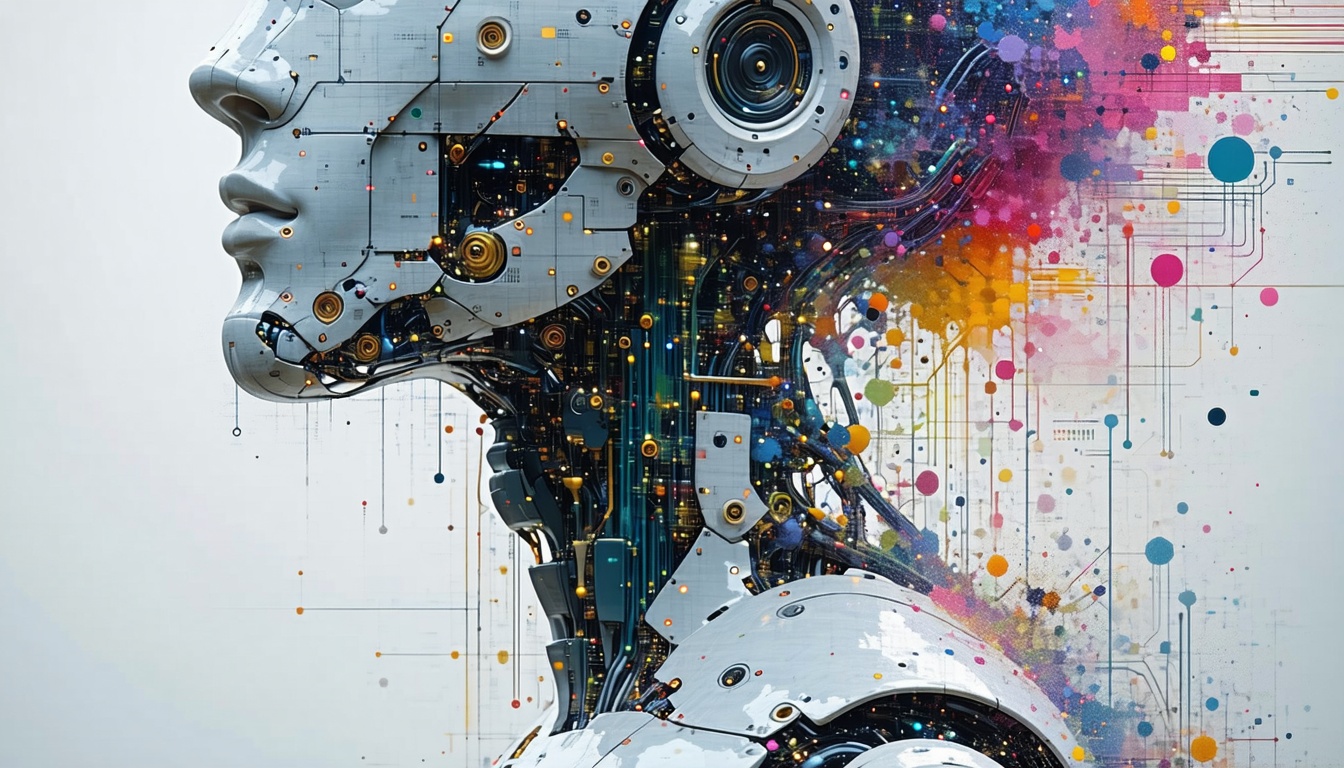
Machine Learning in Education
Introduction to Machine Learning
Machine learning is a subset of artificial intelligence that enables systems to learn from data and improve their performance over time without being explicitly programmed. It involves algorithms that analyze patterns in data, allowing machines to make predictions or decisions based on new inputs. In the context of education, machine learning can transform traditional learning methods by providing insights and enhancing the learning experience.
Application of Machine Learning in Education
The application of machine learning in education is vast and varied. It can be utilized to create personalized learning experiences, improve student engagement, and streamline administrative processes. Below are some key areas where machine learning is making an impact:
| Application Area | Description |
|---|---|
| Personalized Learning Platforms | Machine learning algorithms analyze student data to tailor educational content to individual learning styles and paces. For more information, visit our article on personalized learning platforms. |
| Adaptive Learning Technology | These systems adjust the difficulty of tasks based on student performance, ensuring that learners are challenged appropriately. Explore more about this in our article on adaptive learning technology. |
| Data Analysis for Educators | Machine learning tools can analyze large datasets to provide insights into student performance, helping educators make informed decisions. |
| Self-Paced Learning Platforms | These platforms allow students to learn at their own pace, with machine learning algorithms providing recommendations based on their progress. Check out our article on self-paced learning platforms. |
| Individualized Learning Solutions | Tailored educational experiences are created based on the unique needs of each student, enhancing engagement and retention. Learn more about this in our article on individualized learning solutions. |
By leveraging machine learning, educational institutions can create more effective and engaging learning environments, ultimately leading to improved student outcomes.
Personalized Learning Platforms
Personalized learning platforms leverage technology to tailor educational experiences to individual learners. This approach recognizes that each student has unique needs, preferences, and learning styles.
Benefits of Personalized Learning
The advantages of personalized learning are numerous. By focusing on the individual, these platforms can enhance engagement, improve retention, and foster a deeper understanding of the material. Some key benefits include:
| Benefit | Description |
|---|---|
| Increased Engagement | Students are more likely to participate when learning is tailored to their interests. |
| Improved Retention | Personalized content helps reinforce knowledge, leading to better memory retention. |
| Enhanced Motivation | Learners feel empowered when they can progress at their own pace. |
| Targeted Support | Educators can identify areas where students struggle and provide specific assistance. |
Personalized learning platforms can also accommodate various learning styles, making education more inclusive. For more information on how these platforms function, visit our article on personalized learning platforms.
How Machine Learning Enhances Personalization
Machine learning plays a crucial role in enhancing personalized learning experiences. By analyzing vast amounts of data, machine learning algorithms can identify patterns and trends in student behavior and performance. This data-driven approach allows for more effective personalization.
Key ways machine learning enhances personalization include:
| Enhancement | Description |
|---|---|
| Adaptive Content | Machine learning algorithms adjust the difficulty and type of content based on individual progress. |
| Predictive Analytics | These systems can forecast future performance, allowing for proactive interventions. |
| Real-Time Feedback | Students receive immediate feedback on their work, helping them understand their strengths and weaknesses. |
| Customized Learning Paths | Machine learning creates tailored learning paths that align with each student’s goals and needs. |
By integrating machine learning into personalized learning platforms, educational institutions can create more effective and engaging learning environments. For insights into related technologies, explore our article on adaptive learning technology and self-paced learning platforms.
Adaptive Learning Systems
Understanding Adaptive Learning
Adaptive learning refers to educational methods that tailor the learning experience to meet the individual needs of each learner. This approach utilizes technology to assess a student’s strengths, weaknesses, preferences, and pace of learning. By doing so, adaptive learning systems can provide customized content and resources, ensuring that each learner receives the support they require to succeed.
The primary goal of adaptive learning is to enhance the educational experience by making it more relevant and effective. This method is particularly beneficial in diverse learning environments where students have varying levels of understanding and different learning styles. For more insights on this topic, explore our article on adaptive learning technology.
Machine Learning Algorithms in Adaptive Learning
Machine learning plays a crucial role in the development and implementation of adaptive learning systems. By analyzing vast amounts of data, machine learning algorithms can identify patterns and trends in student performance. This information is then used to adjust the learning materials and strategies in real-time, creating a more personalized educational experience.
The following table outlines some common machine learning algorithms used in adaptive learning systems:
| Algorithm Type | Description | Application in Adaptive Learning |
|---|---|---|
| Decision Trees | A model that makes decisions based on a series of questions. | Helps in determining the next best learning activity for a student. |
| Neural Networks | A system that mimics the way the human brain operates. | Analyzes complex data patterns to predict student performance. |
| Clustering Algorithms | Groups similar data points together. | Identifies students with similar learning needs for targeted interventions. |
| Reinforcement Learning | A method where an agent learns to make decisions by receiving rewards or penalties. | Adapts learning paths based on student engagement and success rates. |
These algorithms enable adaptive learning systems to continuously improve and refine their approaches, ensuring that students receive the most effective learning experiences possible. By leveraging machine learning in education, businesses can create innovative personalized learning platforms and self-paced learning platforms that cater to the unique needs of each learner. Additionally, the use of individualized learning solutions can further enhance the educational landscape, making learning more accessible and effective for all.
Data-Driven Decision Making
Importance of Data in Education
Data plays a crucial role in the educational landscape. It provides insights into student performance, learning behaviors, and overall educational outcomes. By analyzing this data, educators and administrators can make informed decisions that enhance the learning experience.
The collection of data can include various metrics such as test scores, attendance records, and engagement levels. This information helps identify trends and patterns that can inform teaching strategies and curriculum development.
| Data Type | Purpose |
|---|---|
| Test Scores | Assess student understanding and knowledge retention |
| Attendance Records | Monitor student engagement and participation |
| Engagement Levels | Evaluate the effectiveness of teaching methods |
Machine Learning for Data Analysis in Education
Machine learning offers powerful tools for analyzing educational data. By employing algorithms, it can process large volumes of data quickly and accurately, uncovering insights that may not be immediately apparent.
Machine learning can identify at-risk students, predict future performance, and recommend personalized learning paths. This capability allows educators to tailor their approaches to meet individual student needs effectively.
| Machine Learning Application | Benefit |
|---|---|
| Predictive Analytics | Anticipate student outcomes and intervene early |
| Data Mining | Discover hidden patterns in student data |
| Recommendation Systems | Suggest resources and learning materials based on individual preferences |
The integration of machine learning in education not only enhances data analysis but also supports the development of personalized learning platforms and adaptive learning technology. By leveraging these insights, educational institutions can create more effective and engaging learning environments.
Future Trends in Education
Predictive Analytics in Education
Predictive analytics is becoming a significant trend in the educational landscape. By utilizing machine learning algorithms, educational institutions can analyze vast amounts of data to forecast student performance and outcomes. This data-driven approach allows educators to identify at-risk students early and implement targeted interventions.
The following table illustrates the potential benefits of predictive analytics in education:
| Benefit | Description |
|---|---|
| Early Intervention | Identifies students who may struggle, allowing for timely support. |
| Resource Allocation | Helps institutions allocate resources more effectively based on predicted needs. |
| Curriculum Improvement | Analyzes data to refine and enhance curriculum offerings. |
| Personalized Learning | Supports the development of tailored learning experiences for students. |
By integrating predictive analytics, schools can enhance their decision-making processes and improve overall educational outcomes. For more insights on personalized learning, refer to our article on personalized learning platforms.
Virtual Assistants and Chatbots in Learning
Virtual assistants and chatbots are increasingly being integrated into educational settings. These AI-driven tools provide students with immediate access to information and support, enhancing the learning experience. They can answer questions, provide resources, and assist with administrative tasks, allowing educators to focus on teaching.
The following table highlights the advantages of using virtual assistants and chatbots in education:
| Advantage | Description |
|---|---|
| 24/7 Availability | Offers students assistance at any time, improving accessibility. |
| Instant Feedback | Provides immediate responses to student inquiries, enhancing engagement. |
| Personalized Support | Tailors interactions based on individual student needs and preferences. |
| Administrative Efficiency | Reduces the workload on educators by handling routine inquiries. |
These tools are transforming the way students interact with educational content and support systems. For more information on adaptive learning technology, check out our article on adaptive learning technology.
Challenges and Considerations
Ethical Implications of Machine Learning in Education
The integration of machine learning in education raises several ethical concerns that must be addressed. One significant issue is data privacy. Educational institutions often collect vast amounts of data from students, including personal information and learning behaviors. Ensuring that this data is handled responsibly and securely is crucial to maintaining trust.
Another ethical consideration is bias in algorithms. Machine learning systems can inadvertently perpetuate existing biases if they are trained on skewed data sets. This can lead to unfair treatment of certain groups of students, impacting their learning experiences. It is essential for developers and educators to be aware of these biases and work towards creating fair and equitable systems.
| Ethical Concern | Description |
|---|---|
| Data Privacy | Protection of student information and compliance with regulations. |
| Algorithmic Bias | Risk of reinforcing stereotypes and inequalities in educational outcomes. |
| Transparency | Need for clear communication about how data is used and decisions are made. |
Implementing Machine Learning in Educational Settings
Implementing machine learning in educational environments presents its own set of challenges. One major hurdle is the need for adequate infrastructure. Schools and institutions must have the necessary technology and resources to support machine learning applications effectively. This includes reliable internet access, hardware, and software.
Training educators to use machine learning tools is also vital. Teachers must understand how to interpret data and utilize insights to enhance their teaching methods. Professional development programs should be established to equip educators with the skills needed to leverage these technologies.
| Implementation Challenge | Description |
|---|---|
| Infrastructure | Requirement for technology and resources to support machine learning. |
| Educator Training | Need for professional development to effectively use machine learning tools. |
| Integration with Curriculum | Aligning machine learning applications with existing educational frameworks. |
Addressing these challenges is essential for the successful adoption of machine learning in education. By focusing on ethical implications and implementation strategies, educational institutions can harness the power of machine learning to enhance learning experiences. For more insights on personalized learning, explore our article on personalized learning platforms and adaptive learning technology.
Want to grow your business online with smarter strategies? Kara Digital offers data-driven digital marketing services and powerful AI solutions to help you scale faster and more efficiently. Let’s turn your vision into measurable success.