
AI Revolutionizing Radiology
The integration of artificial intelligence (AI) into healthcare is transforming various aspects of medical practice, particularly in diagnostics and imaging. This technological advancement is reshaping how healthcare providers approach patient care and treatment.
The Impact of AI in Healthcare
AI is making significant strides in healthcare by enhancing the accuracy and efficiency of medical processes. It enables healthcare professionals to analyze vast amounts of data quickly, leading to improved decision-making and patient outcomes. The benefits of AI in radiology are particularly noteworthy, as they contribute to more precise diagnostics and streamlined workflows.
| Impact Area | Description |
|---|---|
| Diagnostic Accuracy | AI algorithms can analyze images with high precision, reducing the likelihood of misdiagnosis. |
| Workflow Efficiency | Automation of routine tasks allows radiologists to focus on complex cases, improving overall productivity. |
| Patient Outcomes | Faster and more accurate diagnoses lead to timely treatments, enhancing patient care. |
Role of AI in Radiology
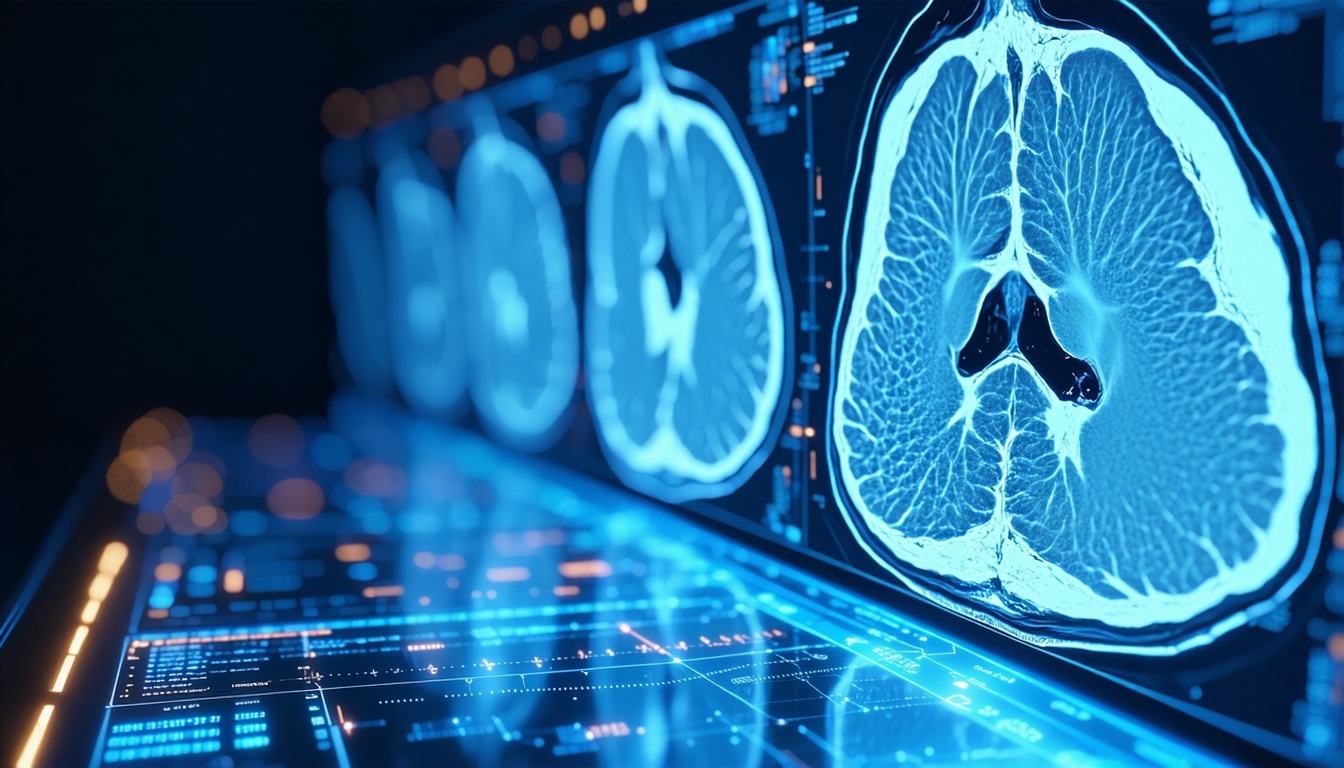
In radiology, AI plays a crucial role in interpreting medical images, such as X-rays, CT scans, and MRIs. By leveraging machine learning and deep learning techniques, AI systems can identify patterns and anomalies that may be missed by the human eye. This capability not only aids in diagnosing conditions but also assists in monitoring disease progression.
AI applications in radiology include:
- Image Analysis: AI algorithms can detect abnormalities in imaging studies, providing radiologists with valuable insights.
- Workflow Optimization: AI can prioritize cases based on urgency, ensuring that critical cases are addressed promptly.
- Predictive Analytics: By analyzing historical data, AI can help predict patient outcomes and inform treatment plans.
The advancements in AI technology are paving the way for a new era in radiology, where enhanced diagnostic capabilities and improved patient care are at the forefront. For more information on how AI is being utilized in diagnostic imaging, visit our article on ai in diagnostic imaging. Additionally, explore the various ai applications in radiology to understand the breadth of this technology’s impact.
Benefits of AI in Radiology
The integration of artificial intelligence (AI) in radiology offers numerous advantages that enhance the overall effectiveness of medical imaging. These benefits contribute to improved patient outcomes and streamline healthcare processes.
Enhanced Diagnostic Accuracy
AI technologies significantly improve the accuracy of diagnoses in radiology. By utilizing advanced algorithms and machine learning techniques, AI systems can analyze medical images with a high degree of precision. This capability allows for the early detection of conditions that may be missed by human radiologists.
| Diagnostic Accuracy Improvement | Percentage Increase |
|---|---|
| AI-assisted Diagnosis | 15% – 30% |
| Traditional Diagnosis | Baseline |
Studies have shown that AI can reduce false positives and false negatives, leading to more reliable interpretations of imaging results. For more insights on how AI is applied in diagnostics, refer to our article on ai in diagnostic imaging.
Increased Efficiency in Image Analysis
AI streamlines the image analysis process, allowing radiologists to work more efficiently. Automated systems can quickly process and evaluate large volumes of images, significantly reducing the time required for analysis. This efficiency enables healthcare professionals to focus on more complex cases and improve workflow.
| Time Savings in Image Analysis | Average Time Reduction |
|---|---|
| AI-assisted Analysis | 50% – 70% |
| Manual Analysis | Baseline |
With AI handling routine tasks, radiologists can enhance their productivity and provide timely reports to referring physicians. For further details on AI applications in this field, explore our article on ai applications in radiology.
Personalized Treatment Plans
AI’s ability to analyze vast amounts of data allows for the development of personalized treatment plans tailored to individual patients. By considering various factors such as medical history, genetic information, and imaging results, AI can assist healthcare providers in creating targeted therapies.
| Personalization Benefits | Description |
|---|---|
| Tailored Treatment | Customized based on patient data |
| Improved Outcomes | Higher success rates with targeted therapies |
This personalized approach not only enhances patient care but also optimizes resource allocation within healthcare systems. For more information on how AI enhances medical imaging, check out our article on ai-enhanced medical imaging.
The benefits of AI in radiology are transforming the landscape of medical imaging, leading to better diagnostic accuracy, increased efficiency, and personalized patient care.
AI-Powered Medical Imaging
How AI Transforms Medical Imaging
Artificial intelligence is significantly transforming the field of medical imaging. By leveraging advanced algorithms and machine learning techniques, AI enhances the ability to analyze and interpret medical images. This technology assists radiologists in identifying abnormalities more accurately and efficiently.
AI systems can process vast amounts of imaging data quickly, allowing for faster diagnosis. They can also learn from previous cases, improving their accuracy over time. This capability is particularly beneficial in detecting conditions such as tumors, fractures, and other anomalies that may be challenging to identify with the naked eye.
The integration of AI in medical imaging has led to a reduction in the time required for image analysis. For instance, studies have shown that AI can decrease the time radiologists spend on image interpretation by up to 50%. This efficiency not only speeds up the diagnostic process but also allows healthcare professionals to focus on patient care.
| Metric | Traditional Method | AI-Powered Method |
|---|---|---|
| Average Time for Image Analysis | 30 minutes | 15 minutes |
| Diagnostic Accuracy | 85% | 95% |
| Cases Processed per Hour | 4 | 8 |
Advancements in Radiology Technology
The advancements in radiology technology driven by AI are remarkable. AI algorithms are now capable of analyzing various imaging modalities, including X-rays, CT scans, and MRIs. This versatility allows for a comprehensive approach to diagnostics.
Recent developments in AI-enhanced medical imaging include improved image quality and resolution. AI can enhance images by reducing noise and artifacts, leading to clearer visuals for better interpretation. Additionally, AI systems can provide real-time feedback to radiologists, highlighting areas of concern and suggesting potential diagnoses.
Furthermore, AI applications in radiology are expanding to include predictive analytics. By analyzing historical data and imaging results, AI can help predict patient outcomes and recommend personalized treatment plans. This capability aligns with the growing trend of personalized medicine, where treatments are tailored to individual patient needs.
| Technology | Description | Benefits |
|---|---|---|
| AI Algorithms | Machine learning models that analyze imaging data | Enhanced accuracy and efficiency |
| Image Enhancement Tools | AI-driven tools that improve image quality | Clearer visuals for better diagnosis |
| Predictive Analytics | Tools that forecast patient outcomes | Personalized treatment recommendations |
The benefits of AI in radiology are profound, leading to improved patient care and outcomes. As businesses consider integrating AI solutions into their healthcare technology, understanding these advancements is crucial for making informed decisions. For more insights on AI in diagnostic imaging, explore our article on ai in diagnostic imaging.
Improving Patient Care
The integration of artificial intelligence (AI) in radiology significantly enhances patient care through faster diagnosis and treatment, as well as reducing human error in interpretation.
Faster Diagnosis and Treatment
AI technologies streamline the diagnostic process, allowing for quicker analysis of medical images. This speed is crucial in emergency situations where timely decisions can impact patient outcomes. AI algorithms can analyze images in a fraction of the time it takes a human radiologist, leading to faster identification of conditions such as fractures, tumors, or other abnormalities.
The following table illustrates the average time reduction in diagnosis with AI assistance compared to traditional methods:
| Diagnostic Method | Average Time (Traditional) | Average Time (AI-Assisted) | Time Saved |
|---|---|---|---|
| X-ray Analysis | 15 minutes | 3 minutes | 12 minutes |
| CT Scan Interpretation | 30 minutes | 5 minutes | 25 minutes |
| MRI Evaluation | 45 minutes | 10 minutes | 35 minutes |
This efficiency not only accelerates treatment initiation but also enhances overall patient satisfaction.
Reducing Human Error in Interpretation
Human error in image interpretation can lead to misdiagnoses or delayed treatment. AI systems are designed to assist radiologists by providing a second opinion, thereby reducing the likelihood of errors. These systems utilize advanced algorithms to detect patterns and anomalies that may be overlooked by the human eye.
Studies have shown that AI can improve diagnostic accuracy significantly. The following table summarizes the impact of AI on error rates in radiology:
| Study Type | Error Rate (Traditional) | Error Rate (AI-Assisted) | Improvement |
|---|---|---|---|
| Lung Cancer Detection | 30% | 10% | 20% |
| Breast Cancer Screening | 25% | 5% | 20% |
| Fracture Identification | 15% | 3% | 12% |
By minimizing human error, AI enhances the reliability of diagnoses, leading to better treatment outcomes. For more insights on how AI is transforming diagnostics, explore our articles on machine learning in medical imaging and ai in diagnostic imaging.
The benefits of AI in radiology extend beyond efficiency and accuracy, contributing to a more effective healthcare system overall.
Challenges and Considerations
As AI continues to make strides in radiology, several challenges and considerations must be addressed to ensure its successful implementation. These include data privacy and security, integration with existing systems, and the training and adoption of healthcare professionals.
Data Privacy and Security
The use of AI in radiology involves handling sensitive patient data, which raises significant concerns regarding data privacy and security. Healthcare organizations must ensure that patient information is protected from unauthorized access and breaches. Compliance with regulations such as HIPAA (Health Insurance Portability and Accountability Act) is essential to safeguard patient data.
| Data Privacy Concerns | Description |
|---|---|
| Unauthorized Access | Risk of data being accessed by individuals without permission. |
| Data Breaches | Potential for sensitive information to be exposed due to cyberattacks. |
| Compliance Issues | Necessity to adhere to legal regulations regarding patient data. |
Integration with Existing Systems
Integrating AI solutions into existing healthcare systems can be complex. Many healthcare facilities utilize legacy systems that may not be compatible with new AI technologies. Ensuring seamless integration is crucial for maximizing the benefits of AI in radiology. This may involve upgrading current systems or investing in new infrastructure.
| Integration Challenges | Description |
|---|---|
| Compatibility Issues | Difficulty in aligning new AI tools with outdated systems. |
| Workflow Disruption | Potential interruptions in daily operations during the integration process. |
| Cost Implications | Financial considerations related to system upgrades and training. |
Training and Adoption by Healthcare Professionals
For AI to be effective in radiology, healthcare professionals must be adequately trained to use these technologies. Resistance to change can hinder the adoption of AI solutions. Ongoing education and support are necessary to help radiologists and technicians understand and utilize AI tools effectively.
| Training Considerations | Description |
|---|---|
| Skill Development | Need for training programs to enhance understanding of AI technologies. |
| Change Management | Strategies to address resistance and promote acceptance among staff. |
| Continuous Education | Importance of ongoing training to keep up with advancements in AI. |
Addressing these challenges is vital for realizing the full potential of AI in radiology. By focusing on data privacy, system integration, and professional training, healthcare organizations can better leverage the benefits of AI in radiology to improve diagnostic accuracy and patient outcomes. For more insights on AI applications, explore our articles on AI in diagnostic imaging and AI-enhanced medical imaging.
Looking to build something powerful for your business? At Kara Digital, we specialise in crafting high-performance solutions that drive real results. Whether you’re launching a cutting-edge mobile app or need a sleek, responsive website, our expert team is here to bring your ideas to life.