

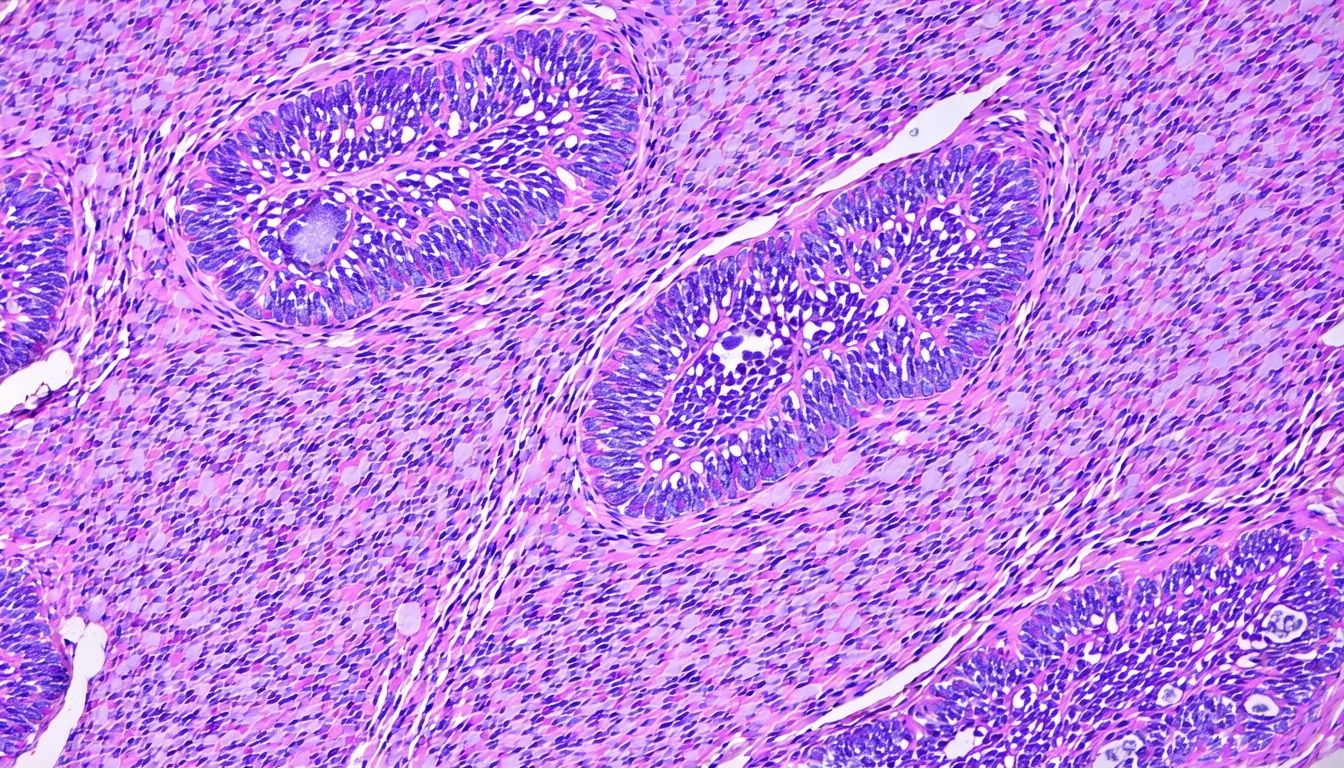
Revolutionizing Pathology Diagnosis
The integration of artificial intelligence (AI) into pathology is transforming the way diagnoses are made. Automated pathology diagnosis leverages advanced technologies to enhance the accuracy and efficiency of medical assessments. This shift is not only improving patient outcomes but also streamlining workflows within healthcare facilities.
The Role of AI in Pathology
AI plays a crucial role in pathology by enabling the analysis of complex medical images with high precision. Machine learning algorithms are trained to recognize patterns and anomalies in tissue samples, which can significantly aid pathologists in their evaluations. These algorithms can process vast amounts of data quickly, allowing for faster diagnosis and treatment decisions.
| AI Application | Description |
|---|---|
| Image Analysis | AI algorithms analyze pathology images to identify abnormalities. |
| Pattern Recognition | Machine learning identifies patterns that may indicate disease. |
| Workflow Optimization | AI enhances efficiency in pathology workflows, reducing turnaround times. |
The use of AI in pathology not only supports pathologists but also helps in standardizing diagnoses across different healthcare settings. This consistency is vital for ensuring that patients receive the best possible care.
Benefits of Automated Pathology Diagnosis
Automated pathology diagnosis offers numerous advantages that can significantly impact healthcare delivery. Some of the key benefits include:
- Increased Accuracy: AI systems can reduce human error by providing a second opinion on diagnoses, leading to more accurate results.
- Faster Turnaround Times: Automation speeds up the analysis process, allowing for quicker diagnosis and treatment initiation.
- Enhanced Efficiency: By automating routine tasks, pathologists can focus on more complex cases, improving overall productivity.
- Scalability: Automated systems can handle large volumes of samples, making it easier for healthcare facilities to manage increased demand.
- Cost-Effectiveness: Reducing the time and resources needed for diagnosis can lead to lower operational costs for healthcare providers.
| Benefit | Impact |
|---|---|
| Increased Accuracy | Reduces misdiagnosis rates. |
| Faster Turnaround Times | Improves patient satisfaction and outcomes. |
| Enhanced Efficiency | Allows pathologists to prioritize critical cases. |
| Scalability | Supports growing patient populations. |
| Cost-Effectiveness | Lowers operational expenses for healthcare facilities. |
The implementation of automated pathology diagnosis is paving the way for a more efficient and reliable healthcare system. As AI continues to evolve, its role in pathology will likely expand, offering even greater benefits to both healthcare providers and patients. For more insights into the applications of AI in cancer diagnosis, visit our article on ai in cancer diagnosis.
How Automated Pathology Diagnosis Works
Automated pathology diagnosis leverages advanced technologies to enhance the accuracy and efficiency of medical imaging. This section will explore the processes involved in image acquisition and processing, as well as the machine learning algorithms that drive these innovations.
Image Acquisition and Processing
The first step in automated pathology diagnosis involves the acquisition of high-quality images of tissue samples. This is typically achieved through digital pathology systems that utilize high-resolution scanners to convert glass slides into digital images. These images are then processed to enhance their quality and prepare them for analysis.
The processing stage may include several techniques, such as:
- Image Enhancement: Improving the clarity and contrast of images to highlight important features.
- Segmentation: Identifying and isolating specific regions of interest within the image, such as tumors or abnormal cells.
- Normalization: Adjusting images to ensure consistency across different samples, which is crucial for accurate analysis.
The following table summarizes key aspects of image acquisition and processing:
| Process | Description |
|---|---|
| Image Acquisition | High-resolution scanning of tissue samples |
| Image Enhancement | Improving clarity and contrast |
| Segmentation | Isolating regions of interest |
| Normalization | Ensuring consistency across samples |
Machine Learning Algorithms in Action
Once the images are acquired and processed, machine learning algorithms come into play. These algorithms analyze the digital images to identify patterns and features that may indicate the presence of disease.
Machine learning models are trained using large datasets of annotated images, allowing them to learn the characteristics of various conditions. Common algorithms used in automated pathology diagnosis include:
- Convolutional Neural Networks (CNNs): These are particularly effective for image analysis, as they can automatically detect and learn features from images without manual intervention.
- Support Vector Machines (SVMs): These algorithms classify data points by finding the optimal hyperplane that separates different classes, making them useful for distinguishing between healthy and diseased tissues.
The following table outlines the types of machine learning algorithms commonly used in automated pathology diagnosis:
| Algorithm | Description |
|---|---|
| Convolutional Neural Networks | Automatically detects features in images |
| Support Vector Machines | Classifies data points based on optimal separation |
The integration of these machine learning techniques into pathology workflows enhances diagnostic accuracy and efficiency. For more information on how these technologies are applied, refer to our articles on ai in cancer diagnosis and deep learning in pathology. Additionally, exploring pathology image analysis software can provide insights into the tools used in this field.
Applications of Automated Pathology Diagnosis
Automated pathology diagnosis is transforming the landscape of medical diagnostics, particularly in the areas of cancer detection and disease progression monitoring. These applications leverage advanced technologies to enhance accuracy and efficiency in pathology.
Cancer Detection and Classification
One of the most significant applications of automated pathology diagnosis is in the detection and classification of cancer. AI algorithms analyze histopathological images to identify cancerous cells and classify different types of tumors. This process not only speeds up diagnosis but also improves the accuracy of identifying malignancies.
The following table illustrates the effectiveness of automated systems in cancer detection compared to traditional methods:
| Method | Sensitivity (%) | Specificity (%) | Time to Diagnosis (minutes) |
|---|---|---|---|
| Traditional Pathology | 85 | 90 | 30 |
| Automated Pathology | 95 | 95 | 10 |
Automated systems can significantly reduce the time required for diagnosis while maintaining high sensitivity and specificity. For more insights into how AI is utilized in cancer diagnosis, refer to our article on ai in cancer diagnosis.
Disease Progression Monitoring
Automated pathology diagnosis also plays a crucial role in monitoring disease progression. By analyzing serial pathology images, AI systems can track changes in tissue samples over time, providing valuable information about the effectiveness of treatments and the advancement of diseases.
The following table summarizes the capabilities of automated systems in disease progression monitoring:
| Feature | Description |
|---|---|
| Longitudinal Analysis | Tracks changes in tissue samples over time |
| Treatment Response Assessment | Evaluates how well a patient is responding to therapy |
| Predictive Analytics | Forecasts potential disease progression based on historical data |
These capabilities enable healthcare providers to make informed decisions regarding patient care and treatment plans. For further information on the technology behind these applications, explore our article on deep learning in pathology.
Automated pathology diagnosis is paving the way for more efficient and accurate healthcare solutions, particularly in cancer detection and disease monitoring. As technology continues to advance, the potential for improved patient outcomes becomes increasingly promising. For more on how AI enhances pathology workflows, visit our article on ai-enhanced pathology workflows.
Challenges and Limitations
While automated pathology diagnosis offers significant advancements in medical imaging, it also faces several challenges and limitations that must be addressed for successful implementation.
Accuracy and Reliability
One of the primary concerns with automated pathology diagnosis is the accuracy and reliability of the AI systems. Misdiagnosis can have serious consequences for patient care. Ensuring that AI algorithms are trained on diverse and representative datasets is crucial for improving diagnostic accuracy.
The following table outlines common accuracy metrics used to evaluate AI systems in pathology:
| Metric | Description |
|---|---|
| Sensitivity | The ability of the system to correctly identify positive cases (true positives). |
| Specificity | The ability of the system to correctly identify negative cases (true negatives). |
| Precision | The proportion of true positive results in all positive predictions made by the system. |
| F1 Score | The harmonic mean of precision and sensitivity, providing a balance between the two. |
Achieving high scores in these metrics is essential for building trust in automated systems. Continuous validation and testing against real-world cases are necessary to ensure reliability.
Integration with Existing Systems
Another significant challenge is the integration of automated pathology diagnosis systems with existing healthcare infrastructure. Many healthcare facilities utilize legacy systems that may not be compatible with new AI technologies.
The integration process can involve:
- Data migration from old systems to new platforms.
- Ensuring interoperability between different software solutions.
- Training staff to use new tools effectively.
The following table highlights key factors to consider during integration:
| Factor | Consideration |
|---|---|
| Compatibility | Assessing whether the new system can work with existing hardware and software. |
| Workflow Adaptation | Modifying current workflows to incorporate AI solutions without disrupting patient care. |
| Training Needs | Identifying the training requirements for staff to effectively use the new technology. |
Addressing these challenges is vital for the successful adoption of automated pathology diagnosis. For more insights on the role of AI in cancer diagnosis, refer to our article on ai in cancer diagnosis. Additionally, exploring deep learning in pathology can provide further understanding of the technology’s capabilities and limitations.
Implementing Automated Pathology Diagnosis
Implementing automated pathology diagnosis involves several critical steps, including the training and validation of AI models and ensuring compliance with regulatory standards. These processes are essential for the successful integration of AI solutions in healthcare settings.
Training and Validation of AI Models
Training AI models for automated pathology diagnosis requires a robust dataset of pathology images. These images must be accurately labeled to teach the AI system to recognize various conditions. The training process typically involves the following steps:
- Data Collection: Gathering a diverse set of pathology images that represent different diseases and conditions.
- Preprocessing: Enhancing image quality and standardizing formats to ensure consistency across the dataset.
- Model Training: Utilizing machine learning algorithms to train the model on the prepared dataset. This phase often employs techniques such as deep learning, which can significantly improve accuracy in image recognition.
The validation phase is equally important. It involves testing the trained model on a separate dataset to evaluate its performance. Key metrics for assessing model accuracy include sensitivity, specificity, and overall accuracy.
| Metric | Description |
|---|---|
| Sensitivity | The ability of the model to correctly identify positive cases. |
| Specificity | The ability of the model to correctly identify negative cases. |
| Overall Accuracy | The proportion of true results (both true positives and true negatives) among the total number of cases examined. |
For more insights on the role of deep learning in this field, refer to our article on deep learning in pathology.
Regulatory Considerations and Compliance
Compliance with regulatory standards is crucial when implementing automated pathology diagnosis systems. These regulations ensure that AI solutions are safe, effective, and reliable for clinical use. Key considerations include:
- Regulatory Approval: AI systems must undergo rigorous testing and validation to obtain approval from relevant health authorities. This process often involves submitting clinical data demonstrating the system’s efficacy and safety.
- Data Privacy: Ensuring that patient data is handled in accordance with privacy laws, such as HIPAA in the United States, is essential. This includes implementing measures to protect sensitive information during data collection and processing.
- Continuous Monitoring: Once deployed, AI systems should be continuously monitored for performance and accuracy. This includes regular updates and recalibrations based on new data and feedback from healthcare professionals.
Integrating automated pathology diagnosis into existing healthcare workflows requires careful planning and adherence to these regulatory standards. For more information on enhancing pathology workflows with AI, explore our article on ai-enhanced pathology workflows.
Future of Pathology with AI
Advancements in Technology
The future of pathology is being shaped by significant advancements in technology. Automated pathology diagnosis is increasingly relying on sophisticated algorithms and imaging techniques that enhance the accuracy and efficiency of diagnoses. Key developments include:
| Technology | Description |
|---|---|
| Deep Learning | Utilizes neural networks to analyze complex patterns in pathology images, improving detection rates for various diseases. For more on this, see our article on deep learning in pathology. |
| High-Throughput Imaging | Allows for the rapid acquisition of high-resolution images, facilitating quicker analysis and diagnosis. |
| Cloud Computing | Enables the storage and processing of large datasets, making it easier for healthcare providers to access and share diagnostic information. |
These advancements are paving the way for more reliable and efficient diagnostic processes, ultimately leading to better patient outcomes.
Potential Impact on Healthcare Industry
The integration of automated pathology diagnosis into healthcare systems is expected to have a profound impact on the industry. Some potential effects include:
| Impact Area | Description |
|---|---|
| Increased Efficiency | Automation can significantly reduce the time required for diagnosis, allowing pathologists to focus on more complex cases. |
| Cost Reduction | Streamlined processes can lead to lower operational costs for healthcare facilities. |
| Enhanced Accuracy | AI-driven tools can minimize human error, leading to more accurate diagnoses and treatment plans. For insights on this, refer to our article on ai in cancer diagnosis. |
| Improved Patient Care | Faster and more accurate diagnoses can lead to timely interventions, improving overall patient care. |
As automated pathology diagnosis continues to evolve, its integration into healthcare workflows will likely enhance the quality of care provided to patients while optimizing resources for healthcare providers. For more information on how AI can enhance pathology workflows, visit our article on ai-enhanced pathology workflows.
Want to grow your business online with smarter strategies? Kara Digital offers data-driven digital marketing services and powerful AI solutions to help you scale faster and more efficiently. Let’s turn your vision into measurable success.