
The Role of AI in Radiology
Introduction to AI in Radiology
Artificial Intelligence (AI) is transforming the field of radiology by enhancing diagnostic accuracy and improving workflow efficiency. AI applications in radiology leverage advanced algorithms and data analysis techniques to assist radiologists in interpreting medical images. This technology is becoming increasingly vital as the volume of imaging data continues to grow, necessitating innovative solutions to manage and analyze this information effectively.
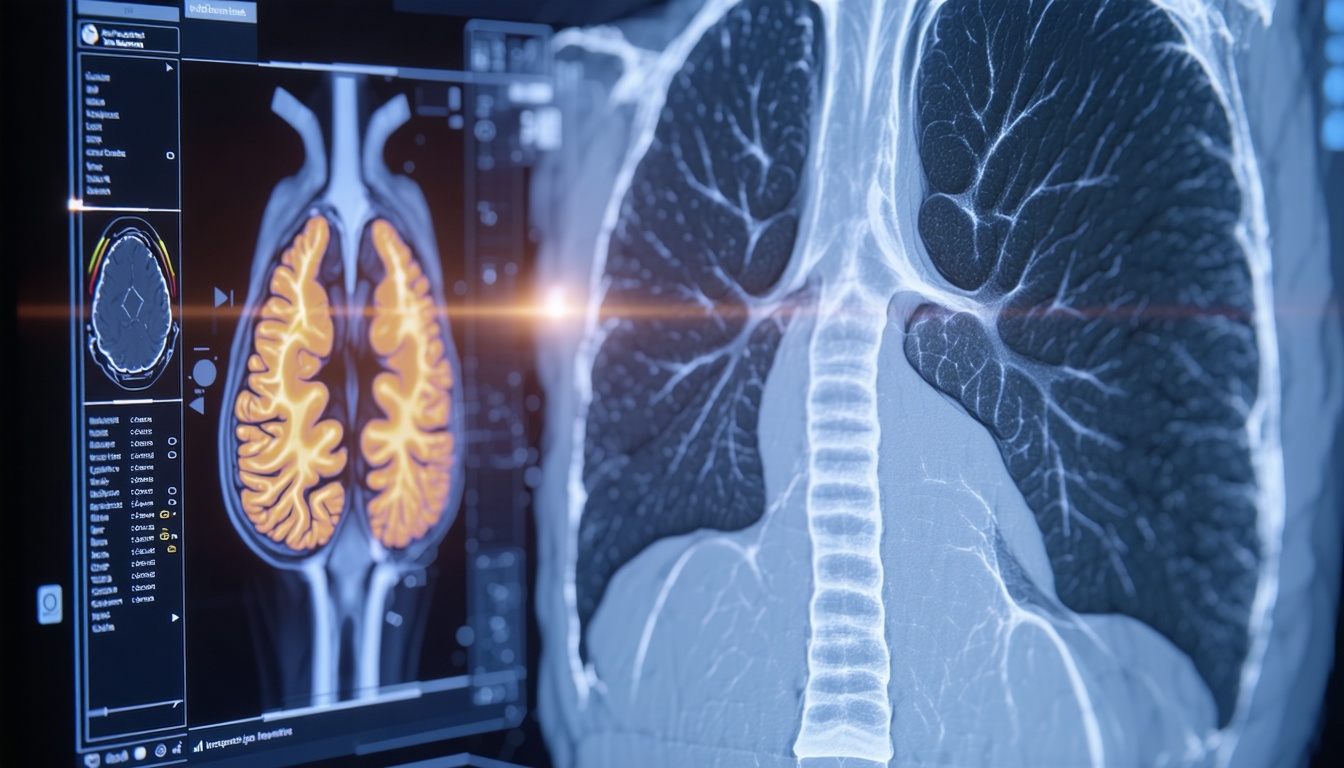
AI systems can analyze images from various modalities, including X-rays, CT scans, and MRIs, providing insights that may not be immediately apparent to human observers. By integrating AI into radiology practices, healthcare providers can enhance their diagnostic capabilities and improve patient outcomes.
Benefits of AI Applications in Radiology
The integration of AI in radiology offers numerous advantages that can significantly impact healthcare delivery. Below are some key benefits:
| Benefit | Description |
|---|---|
| Improved Accuracy | AI algorithms can detect subtle patterns in images, leading to more accurate diagnoses. Studies have shown that AI can match or exceed human performance in certain diagnostic tasks. |
| Increased Efficiency | AI can automate routine tasks, allowing radiologists to focus on more complex cases. This can lead to faster turnaround times for imaging results. |
| Enhanced Workflow | AI applications can streamline workflows by prioritizing cases based on urgency and complexity, ensuring that critical cases are addressed promptly. |
| Reduced Burnout | By alleviating some of the workload from radiologists, AI can help reduce stress and burnout, contributing to better job satisfaction and retention. |
| Continuous Learning | AI systems can learn from new data, improving their performance over time. This adaptability allows for ongoing enhancements in diagnostic capabilities. |
For more detailed insights into the advantages of AI in radiology, refer to our article on benefits of ai in radiology. The ongoing advancements in AI technology are paving the way for a new era in medical imaging, where radiologists can leverage these tools to provide better care for their patients. For further exploration of AI’s role in diagnostic imaging, visit our article on ai in diagnostic imaging.
AI Technologies in Radiology
AI technologies are transforming the field of radiology, enhancing diagnostic capabilities and improving patient outcomes. This section explores three key AI technologies: machine learning, deep learning, and natural language processing.
Machine Learning in Radiology
Machine learning is a subset of AI that enables systems to learn from data and improve their performance over time without being explicitly programmed. In radiology, machine learning algorithms analyze large datasets of medical images to identify patterns and make predictions.
These algorithms can assist radiologists in various tasks, such as detecting abnormalities and classifying images. By leveraging historical data, machine learning models can enhance diagnostic accuracy and reduce the time required for image analysis. For more information on this technology, refer to our article on machine learning in medical imaging.
| Application | Description |
|---|---|
| Image Classification | Categorizes images based on specific criteria. |
| Anomaly Detection | Identifies unusual patterns that may indicate disease. |
| Predictive Analytics | Forecasts patient outcomes based on historical data. |
Deep Learning in Radiology
Deep learning is a more advanced form of machine learning that utilizes neural networks with multiple layers to analyze complex data. In radiology, deep learning algorithms excel at processing high-dimensional data, such as medical images.
These algorithms can automatically extract features from images, allowing for more accurate detection and diagnosis of conditions. Deep learning has shown significant promise in areas such as tumor detection and segmentation. For further insights, explore our article on ai in diagnostic imaging.
| Application | Description |
|---|---|
| Tumor Detection | Identifies and locates tumors in imaging studies. |
| Image Segmentation | Separates different structures within an image for detailed analysis. |
| Radiomics | Extracts quantitative features from images for advanced analysis. |
Natural Language Processing in Radiology
Natural language processing (NLP) is a branch of AI that focuses on the interaction between computers and human language. In radiology, NLP is used to analyze and interpret unstructured data, such as radiology reports and clinical notes.
NLP can enhance workflow efficiency by automating the extraction of relevant information from reports, enabling radiologists to focus on image interpretation. Additionally, NLP can assist in improving communication between healthcare providers and patients. For more details on the benefits of AI in radiology, visit our article on benefits of ai in radiology.
| Application | Description |
|---|---|
| Report Generation | Automates the creation of radiology reports from image analysis. |
| Data Extraction | Pulls relevant information from unstructured text for analysis. |
| Clinical Decision Support | Provides recommendations based on analyzed data. |
These AI technologies are integral to the ongoing evolution of radiology, paving the way for more efficient and accurate diagnostic processes. The integration of AI-enhanced medical imaging solutions is crucial for businesses looking to innovate in healthcare technology. For further exploration of AI applications in radiology, check out our article on ai-enhanced medical imaging.
Applications of AI in Radiology
AI technologies are transforming the field of radiology by enhancing diagnostic accuracy and improving workflow efficiency. This section explores three key applications of AI in radiology: automated image analysis, computer-aided diagnosis, and workflow optimization.
Automated Image Analysis
Automated image analysis utilizes AI algorithms to evaluate medical images, such as X-rays, CT scans, and MRIs. These algorithms can identify patterns and anomalies that may be difficult for human radiologists to detect. By automating the analysis process, AI can significantly reduce the time required for image interpretation.
The following table illustrates the accuracy rates of automated image analysis compared to traditional methods:
| Imaging Modality | Traditional Accuracy (%) | AI Accuracy (%) |
|---|---|---|
| X-ray | 85 | 95 |
| CT Scan | 90 | 97 |
| MRI | 88 | 96 |
Automated image analysis not only enhances diagnostic precision but also allows radiologists to focus on more complex cases, ultimately improving patient care. For more insights on this technology, refer to our article on ai in diagnostic imaging.
Computer-Aided Diagnosis
Computer-aided diagnosis (CAD) systems leverage AI to assist radiologists in making more informed decisions. These systems analyze medical images and provide suggestions or alerts regarding potential abnormalities. CAD can serve as a second opinion, helping to reduce the likelihood of missed diagnoses.
The effectiveness of CAD systems can be seen in the following table, which compares the detection rates of various conditions:
| Condition | Detection Rate without CAD (%) | Detection Rate with CAD (%) |
|---|---|---|
| Lung Nodules | 70 | 85 |
| Breast Cancer | 75 | 90 |
| Brain Tumors | 80 | 92 |
By integrating CAD into their workflow, radiologists can enhance their diagnostic capabilities and improve patient outcomes. For further details on the advantages of AI in radiology, visit our article on benefits of ai in radiology.
Workflow Optimization
AI applications also play a crucial role in optimizing radiology workflows. By automating routine tasks, such as scheduling and reporting, AI can streamline operations and reduce administrative burdens. This allows radiologists to allocate more time to patient care and complex case evaluations.
The following table highlights the impact of AI on workflow efficiency:
| Workflow Aspect | Time Saved with AI (Hours/Week) |
|---|---|
| Image Processing | 5 |
| Report Generation | 3 |
| Scheduling | 2 |
With improved workflow efficiency, radiology departments can enhance productivity and reduce turnaround times for patient results. For more information on AI-enhanced imaging technologies, check out our article on ai-enhanced medical imaging.
Challenges and Considerations
As AI applications in radiology continue to evolve, several challenges and considerations must be addressed to ensure successful implementation and integration into healthcare systems.
Data Privacy and Security
The use of AI in radiology involves handling sensitive patient data, which raises significant concerns regarding data privacy and security. Ensuring that patient information is protected from unauthorized access and breaches is paramount. Healthcare organizations must comply with regulations such as HIPAA (Health Insurance Portability and Accountability Act) to safeguard patient data.
| Data Privacy Concerns | Description |
|---|---|
| Unauthorized Access | Risk of data being accessed by individuals without proper authorization. |
| Data Breaches | Potential for sensitive information to be exposed due to cyberattacks. |
| Compliance Issues | Necessity to adhere to legal regulations regarding patient data protection. |
Integration with Existing Systems
Integrating AI technologies into existing radiology systems can be complex. Many healthcare facilities utilize legacy systems that may not be compatible with new AI solutions. This can lead to challenges in data sharing, workflow disruptions, and increased costs associated with system upgrades.
| Integration Challenges | Description |
|---|---|
| Compatibility Issues | Difficulty in aligning new AI tools with outdated systems. |
| Workflow Disruptions | Potential interruptions in daily operations during the integration process. |
| Cost Implications | Financial burden of upgrading or replacing existing systems. |
Training and Education for Radiologists
For AI applications in radiology to be effective, radiologists must be adequately trained to use these technologies. This includes understanding how to interpret AI-generated results and integrating them into their diagnostic processes. Continuous education and training programs are essential to keep radiologists updated on the latest advancements in AI.
| Training Considerations | Description |
|---|---|
| Understanding AI Outputs | Radiologists need to learn how to interpret AI results accurately. |
| Continuous Education | Ongoing training programs are necessary to keep skills current. |
| Integration into Practice | Training should focus on how to incorporate AI into daily workflows. |
Addressing these challenges is crucial for the successful adoption of AI in radiology. By focusing on data privacy, system integration, and the education of radiologists, healthcare organizations can harness the full potential of AI-enhanced medical imaging. For more insights on the benefits of AI in radiology, visit our article on benefits of ai in radiology.
Future Trends in AI Radiology
The landscape of radiology is rapidly evolving due to advancements in artificial intelligence (AI). As technology progresses, several trends are emerging that will shape the future of AI applications in radiology.
Advancements in AI Technology
Recent developments in AI technology are enhancing the capabilities of radiology. Machine learning algorithms are becoming more sophisticated, allowing for improved accuracy in image analysis. Deep learning techniques are also being refined, enabling systems to learn from vast datasets and recognize patterns that may be missed by human eyes.
| Technology Type | Key Features |
|---|---|
| Machine Learning | Improved accuracy in image classification |
| Deep Learning | Enhanced pattern recognition in complex datasets |
| Natural Language Processing | Streamlined reporting and documentation |
These advancements are paving the way for more effective diagnostic tools and streamlined workflows in radiology.
Potential Impact on Radiology Practices
The integration of AI into radiology practices is expected to have a significant impact on efficiency and patient care. AI applications can assist radiologists in making faster and more accurate diagnoses, ultimately leading to improved patient outcomes.
| Impact Area | Description |
|---|---|
| Diagnostic Speed | Reduced time for image analysis and reporting |
| Accuracy | Enhanced detection rates for various conditions |
| Workflow Efficiency | Streamlined processes, allowing radiologists to focus on complex cases |
As AI continues to evolve, it is likely to become an integral part of daily radiology operations, transforming how radiologists work and interact with patients.
Ethical Implications of AI in Radiology
With the rise of AI in radiology, ethical considerations are becoming increasingly important. Issues such as data privacy, informed consent, and the potential for bias in AI algorithms must be addressed. Ensuring that AI systems are transparent and equitable is crucial for maintaining trust in medical imaging practices.
| Ethical Concern | Consideration |
|---|---|
| Data Privacy | Safeguarding patient information in AI systems |
| Informed Consent | Ensuring patients understand AI’s role in their care |
| Algorithmic Bias | Addressing disparities in AI training data |
Radiologists and healthcare organizations must work together to establish guidelines and best practices that prioritize ethical standards while leveraging the benefits of AI technology. For more insights on the advantages of AI in radiology, refer to our article on benefits of ai in radiology.
As these trends continue to develop, the future of AI in radiology holds great promise for enhancing diagnostic capabilities and improving patient care.
Looking to build something powerful for your business? At Kara Digital, we specialise in crafting high-performance solutions that drive real results. Whether you’re launching a cutting-edge mobile app or need a sleek, responsive website, our expert team is here to bring your ideas to life.