

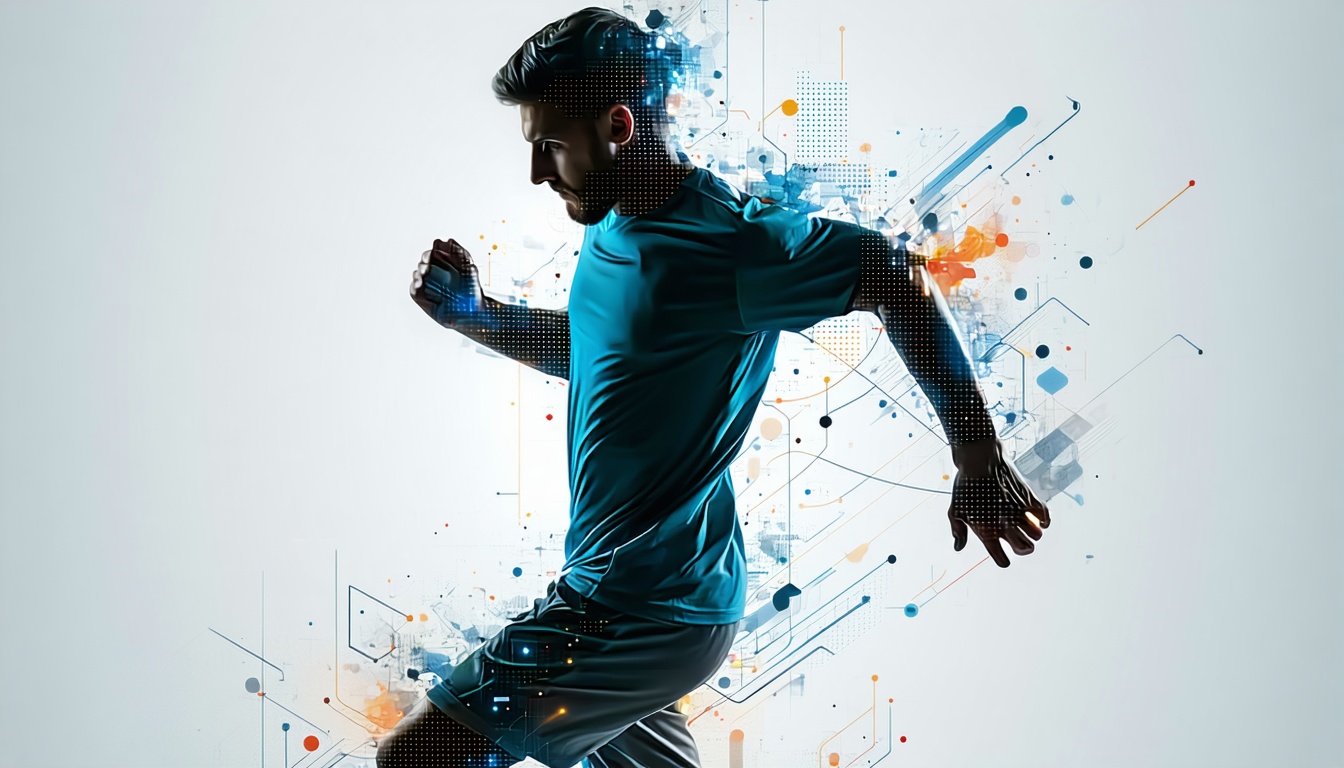
Motion Capture Technology in Sports
Introduction to Motion Capture Technology
Motion capture technology refers to the process of recording the movement of objects or people. In the context of sports, this technology captures the movements of athletes to analyze their performance and improve their skills. By using various sensors and cameras, motion capture systems can track the precise movements of an athlete’s body in real-time. This data can then be used to enhance training methods, optimize performance, and prevent injuries.
The integration of motion capture technology in sports has gained popularity due to its ability to provide detailed insights into an athlete’s biomechanics. This technology allows coaches and trainers to make informed decisions based on accurate data, ultimately leading to better training outcomes.
Applications of Motion Capture in Sports
Motion capture technology has a wide range of applications in the sports industry. Below are some key areas where this technology is utilized:
| Application | Description |
|---|---|
| Performance Analysis | Coaches use motion capture to analyze an athlete’s movements, identifying strengths and weaknesses. This data helps in tailoring training programs to improve performance. |
| Injury Prevention | By analyzing movement patterns, motion capture can identify potential injury risks. This allows trainers to modify techniques or implement preventive measures. |
| Technique Improvement | Athletes can receive feedback on their form and technique, enabling them to make adjustments that enhance their performance. |
| Rehabilitation | Motion capture technology assists in monitoring an athlete’s recovery process, ensuring they regain proper movement patterns post-injury. |
| Game Strategy | Teams can analyze the movements of opponents, helping to develop strategies that exploit weaknesses in their gameplay. |
The versatility of motion capture technology in sports makes it an invaluable tool for athletes and coaches alike. For more information on how this technology is being applied in fitness, check out our article on motion tracking technology in fitness. Additionally, advancements in this field are paving the way for ai-powered motion analysis in sports, further enhancing the capabilities of performance analysis.
How Motion Capture Works
Understanding how motion capture technology functions is essential for small business owners looking to implement AI solutions in sports performance analysis. This section will cover the key components involved in motion capture, including sensors and cameras, as well as the processes for data collection and analysis.
Sensors and Cameras
Motion capture technology relies on a combination of sensors and cameras to track and record the movements of athletes. These devices work together to capture precise data about body movements, which can then be analyzed for performance improvement.
| Device Type | Functionality |
|---|---|
| Optical Cameras | Capture visual data of an athlete’s movements using markers placed on the body. |
| Inertial Sensors | Measure acceleration and angular velocity to track motion without the need for external cameras. |
| Pressure Sensors | Detect force and pressure applied during movements, providing insights into performance metrics. |
Optical cameras are often used in controlled environments, while inertial sensors can be utilized in various settings, including outdoor sports. The choice of devices depends on the specific requirements of the analysis.
Data Collection and Analysis
Once the sensors and cameras have captured the motion data, the next step involves data collection and analysis. This process transforms raw data into actionable insights that can enhance athletic performance.
Data Collection: The captured data is transmitted to a computer system where it is stored for further processing. This data includes information on speed, angle, and trajectory of movements.
Data Processing: Advanced algorithms analyze the collected data to identify patterns and trends. This analysis can reveal strengths and weaknesses in an athlete’s performance.
Visualization: The processed data is often presented in visual formats, such as graphs and charts, making it easier for coaches and athletes to understand the results.
| Analysis Type | Description |
|---|---|
| Performance Metrics | Evaluates speed, agility, and technique. |
| Biomechanical Analysis | Assesses body mechanics to identify areas for improvement. |
| Injury Risk Assessment | Analyzes movement patterns to predict potential injuries. |
By utilizing motion capture technology, small business owners can develop advanced motion tracking solutions that provide valuable insights into athletic performance. This technology not only enhances training but also contributes to the overall safety and effectiveness of sports practices. For more information on how motion tracking technology is applied in fitness, refer to our article on motion tracking technology in fitness.
Benefits of Motion Capture in Sports
Motion capture technology in sports offers numerous advantages that can significantly enhance athletic performance and training methodologies. This section explores three key benefits: performance analysis, injury prevention, and training optimization.
Performance Analysis
One of the primary benefits of motion capture technology is its ability to provide detailed performance analysis. By capturing an athlete’s movements in real-time, coaches and trainers can assess various aspects of their technique, including speed, agility, and biomechanics. This data allows for precise evaluations and targeted feedback.
| Performance Metric | Description | Importance |
|---|---|---|
| Speed | Measures how fast an athlete moves during an activity | Essential for competitive edge |
| Agility | Assesses the ability to change direction quickly | Crucial for sports requiring quick movements |
| Biomechanics | Analyzes body movements and mechanics | Helps in refining techniques and reducing injury risk |
Athletes can use this information to make informed adjustments to their training regimens. For more insights on how motion tracking technology can enhance fitness, refer to our article on motion tracking technology in fitness.
Injury Prevention
Injury prevention is another significant advantage of motion capture technology. By analyzing an athlete’s movements, coaches can identify improper techniques or movements that may lead to injuries. This proactive approach allows for timely interventions, such as modifying training techniques or implementing corrective exercises.
| Common Injuries | Related Movement Issues | Motion Capture Benefit |
|---|---|---|
| ACL Tears | Poor knee alignment during jumps | Identifies risky movements |
| Ankle Sprains | Inadequate foot placement | Provides corrective feedback |
| Shoulder Injuries | Improper throwing mechanics | Analyzes and corrects technique |
By utilizing motion capture data, athletes can reduce their risk of injury and prolong their careers. For more information on advanced solutions for injury prevention, check out our article on advanced motion tracking solutions.
Training Optimization
Motion capture technology also plays a vital role in optimizing training programs. By providing objective data on an athlete’s performance, coaches can tailor training sessions to meet individual needs. This customization ensures that athletes focus on areas requiring improvement, leading to more effective training outcomes.
| Training Focus | Motion Capture Application | Expected Outcome |
|---|---|---|
| Strength Training | Analyzes lifting techniques | Improved form and strength gains |
| Endurance Training | Monitors running mechanics | Enhanced efficiency and stamina |
| Skill Development | Evaluates sport-specific skills | Targeted practice for skill enhancement |
With the insights gained from motion capture, athletes can maximize their training efforts and achieve their performance goals. For a deeper understanding of how AI enhances motion analysis in sports, explore our article on ai-powered motion analysis in sports.
Implementing Motion Capture Technology
Implementing motion capture technology in sports requires careful planning and execution. This section will cover the essential steps for setting up a motion capture system and integrating the collected data into training programs.
Setting Up a Motion Capture System
Establishing a motion capture system involves several key components. The setup typically includes cameras, sensors, and software to capture and analyze movement. The following table outlines the primary elements needed for a successful motion capture system.
| Component | Description |
|---|---|
| Cameras | High-speed cameras to capture movement from multiple angles. |
| Sensors | Wearable sensors that track body movements and provide data. |
| Software | Programs that analyze the captured data and generate reports. |
| Calibration Tools | Equipment to ensure accurate data collection and alignment. |
The placement of cameras is crucial for capturing comprehensive data. They should be positioned to cover the entire area where the athlete will be performing. Proper calibration of the system is also necessary to ensure accuracy in the data collected.
Integrating Data into Training Programs
Once the motion capture system is set up and data is collected, the next step is to integrate this information into training programs. This process involves analyzing the data to identify areas for improvement and tailoring training regimens accordingly.
The following table illustrates how data from motion capture can be utilized in training programs.
| Data Type | Application in Training |
|---|---|
| Biomechanical Analysis | Adjusting techniques to enhance performance and reduce injury risk. |
| Movement Patterns | Identifying inefficient movements and correcting them. |
| Performance Metrics | Tracking progress over time and setting specific goals. |
By incorporating insights from motion capture technology, coaches and trainers can create personalized training plans that address the unique needs of each athlete. This approach not only enhances performance but also contributes to long-term athlete development.
For more information on wearable technology, explore our article on wearable motion tracking devices. Additionally, learn about advanced motion tracking solutions that can further enhance performance analysis in sports.
Future of Motion Capture in Sports
The future of motion capture technology in sports is poised for significant advancements that will enhance performance analysis and training methodologies. As technology evolves, so do the capabilities of motion capture systems, leading to more precise and actionable insights for athletes and coaches.
Advancements in Motion Capture Technology
Recent developments in motion capture technology include improvements in sensor accuracy, data processing speed, and integration with artificial intelligence. These advancements allow for real-time feedback and more detailed analysis of an athlete’s movements.
| Advancement | Description |
|---|---|
| Enhanced Sensors | New sensors provide higher precision in tracking movements, capturing even the smallest nuances in technique. |
| AI Integration | AI algorithms analyze motion data to identify patterns and suggest improvements, making training more efficient. |
| Real-Time Feedback | Athletes receive immediate insights during training sessions, allowing for on-the-spot adjustments. |
| Miniaturization | Smaller, lighter devices improve comfort and usability, encouraging more athletes to adopt motion capture technology. |
These innovations are making motion capture systems more accessible and effective for various sports disciplines.
Potential Impact on Sports Performance
The impact of motion capture technology on sports performance is profound. By leveraging detailed motion analysis, athletes can refine their techniques, reduce the risk of injury, and enhance overall performance.
| Impact Area | Description |
|---|---|
| Technique Improvement | Athletes can analyze their movements in detail, leading to better form and efficiency. |
| Injury Prevention | Identifying risky movement patterns helps in developing strategies to avoid injuries. |
| Customized Training | Data-driven insights allow for personalized training programs tailored to individual needs. |
| Enhanced Recovery | Motion capture can assist in monitoring recovery progress, ensuring athletes return to peak performance safely. |
As motion capture technology continues to evolve, its integration into sports training and performance analysis will likely become standard practice, providing athletes with the tools they need to excel. For more information on related technologies, explore our articles on wearable motion tracking devices and ai-powered motion analysis in sports.
Looking to build something powerful for your business? At Kara Digital, we specialise in crafting high-performance solutions that drive real results. Whether you’re launching a cutting-edge mobile app or need a sleek, responsive website, our expert team is here to bring your ideas to life.