

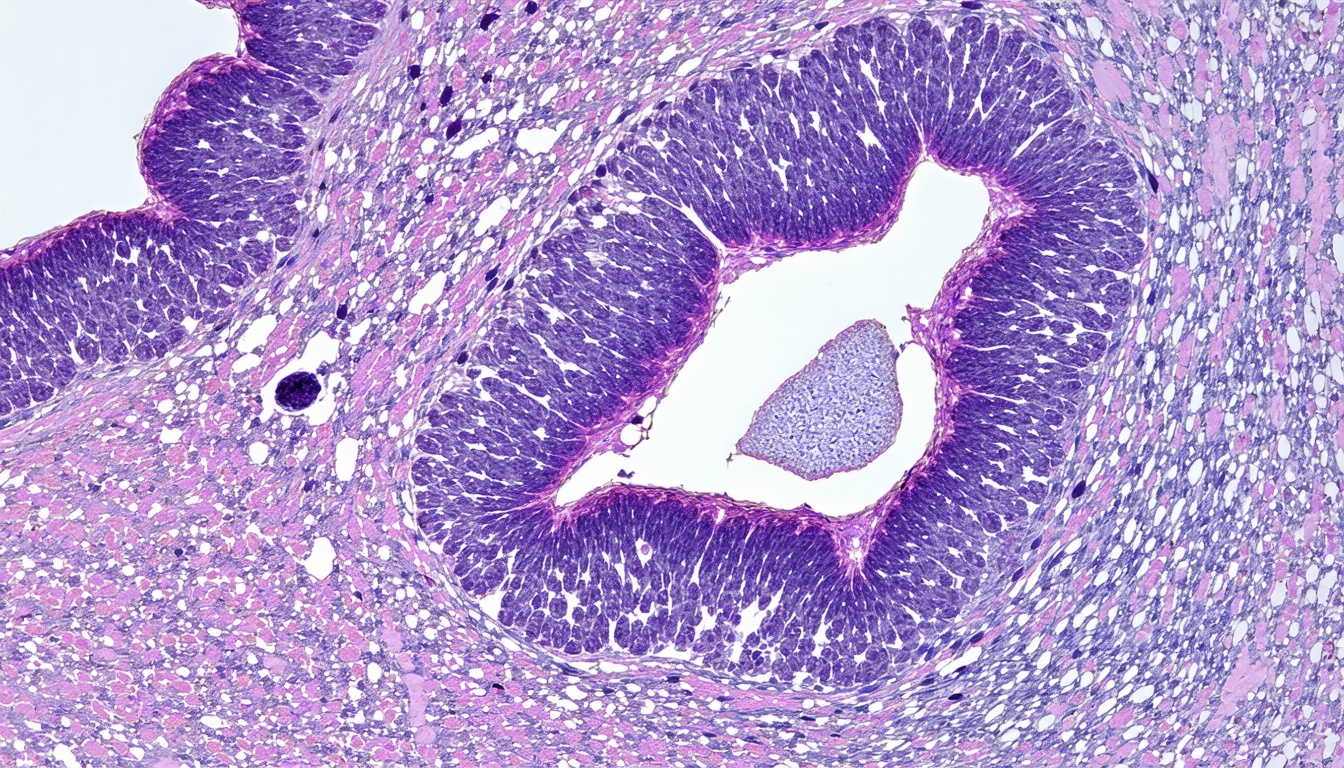
The Impact of AI in Pathology
The integration of artificial intelligence (AI) in pathology is transforming the landscape of medical diagnostics. This section explores the advancements in AI technology and how these innovations are being integrated into pathology workflows.
Advancements in AI Technology
Recent developments in AI technology have significantly enhanced the capabilities of pathology. Machine learning algorithms and deep learning techniques are at the forefront of these advancements, enabling more accurate analysis of medical images. These technologies can process vast amounts of data quickly, identifying patterns and anomalies that may be missed by the human eye.
| AI Technology | Description | Benefits |
|---|---|---|
| Machine Learning | Algorithms that learn from data to make predictions | Improved diagnostic accuracy |
| Deep Learning | A subset of machine learning that uses neural networks | Enhanced image recognition capabilities |
| Natural Language Processing | AI that understands and processes human language | Streamlined reporting and documentation |
The application of these technologies in pathology is leading to more efficient workflows and better patient outcomes. For instance, AI can assist in identifying cancerous cells in biopsy samples, which is crucial for timely and accurate cancer diagnosis. More information on this can be found in our article on ai in cancer diagnosis.
Integration of AI in Pathology Workflows
The integration of AI into pathology workflows is a critical step toward achieving ai-enhanced pathology workflows. This involves incorporating AI tools into existing systems to assist pathologists in their daily tasks. AI can automate routine processes, such as image analysis and data entry, allowing pathologists to focus on more complex cases.
| Integration Aspect | Description | Impact |
|---|---|---|
| Workflow Automation | AI tools automate repetitive tasks | Increased efficiency and reduced workload |
| Image Analysis | AI analyzes pathology images for abnormalities | Faster and more accurate diagnoses |
| Data Management | AI organizes and manages patient data | Improved accessibility and reporting |
By streamlining these processes, AI not only enhances the accuracy of diagnoses but also accelerates the overall workflow in pathology departments. For further insights into the role of AI in image analysis, refer to our article on pathology image analysis software.
The ongoing advancements in AI technology and its integration into pathology workflows are paving the way for a new era in medical diagnostics, ultimately benefiting healthcare providers and patients alike.
Enhancing Diagnostic Accuracy
The integration of artificial intelligence (AI) in pathology has significantly transformed the landscape of diagnostic accuracy. By leveraging advanced algorithms and machine learning techniques, AI enhances the precision of pathology workflows, leading to improved patient outcomes.
AI’s Role in Improving Accuracy
AI systems are designed to analyze vast amounts of data quickly and accurately. In pathology, these systems can assist pathologists by identifying patterns and anomalies in medical images that may be difficult for the human eye to detect. This capability is particularly beneficial in complex cases, where subtle differences can influence diagnosis.
Research has shown that AI can achieve diagnostic accuracy comparable to or even exceeding that of experienced pathologists. For instance, studies indicate that AI algorithms can reduce diagnostic errors by up to 20%. The following table summarizes the impact of AI on diagnostic accuracy in pathology:
| Study | AI Accuracy (%) | Pathologist Accuracy (%) | Error Reduction (%) |
|---|---|---|---|
| Study A | 95 | 90 | 20 |
| Study B | 92 | 88 | 15 |
| Study C | 94 | 91 | 10 |
These findings highlight the potential of AI to enhance diagnostic accuracy, particularly in areas such as ai in cancer diagnosis and deep learning in pathology.
Benefits of AI-Enhanced Pathology Workflows
The implementation of AI-enhanced pathology workflows offers numerous advantages. These benefits include:
- Increased Efficiency: AI can process and analyze pathology images faster than traditional methods, allowing for quicker diagnosis and treatment decisions.
- Consistency: AI algorithms provide consistent results, reducing variability in diagnoses that can occur due to human factors.
- Support for Pathologists: AI serves as a valuable tool for pathologists, offering second opinions and assisting in complex cases, ultimately improving the quality of care.
- Resource Optimization: By automating routine tasks, AI allows pathologists to focus on more complex cases, optimizing the use of human resources.
The following table outlines the key benefits of AI-enhanced pathology workflows:
| Benefit | Description |
|---|---|
| Increased Efficiency | Faster processing and analysis of images |
| Consistency | Reliable and uniform results |
| Support for Pathologists | Assistance in complex diagnoses |
| Resource Optimization | Better allocation of human resources |
AI-enhanced pathology workflows not only improve diagnostic accuracy but also streamline processes, making them an essential component of modern healthcare solutions. For more information on the tools used in this field, explore our article on pathology image analysis software and automated pathology diagnosis.
Streamlining Pathology Processes
The integration of AI into pathology workflows significantly enhances efficiency and effectiveness. By automating routine tasks and accelerating diagnosis and reporting, AI-enhanced pathology workflows are transforming the landscape of medical diagnostics.
Automation of Routine Tasks
AI technology can automate various routine tasks within pathology labs, allowing pathologists to focus on more complex analyses. Tasks such as image scanning, data entry, and preliminary assessments can be handled by AI systems, reducing the workload on human professionals.
The following table illustrates the potential time savings achieved through automation in pathology processes:
| Task | Time Saved (Hours per Week) |
|---|---|
| Image Scanning | 10 |
| Data Entry | 5 |
| Preliminary Assessments | 8 |
| Total Time Saved | 23 |
By streamlining these tasks, AI not only improves workflow efficiency but also minimizes the risk of human error. This leads to more reliable results and enhances the overall quality of patient care. For more insights on how AI is utilized in diagnostics, refer to our article on automated pathology diagnosis.
Accelerating Diagnosis and Reporting
AI-enhanced pathology workflows can significantly speed up the diagnosis and reporting process. Advanced algorithms analyze pathology images quickly and accurately, providing pathologists with timely insights. This rapid analysis is crucial in situations where prompt diagnosis can impact treatment decisions, such as in ai in cancer diagnosis.
The following table highlights the average time reduction in diagnosis and reporting with AI integration:
| Process | Traditional Time (Days) | AI-Enhanced Time (Days) | Time Reduction (Days) |
|---|---|---|---|
| Diagnosis | 5 | 2 | 3 |
| Reporting | 3 | 1 | 2 |
| Total Time | 8 | 3 | 5 |
The ability to deliver faster results not only improves patient outcomes but also enhances the efficiency of healthcare systems. For further exploration of AI applications in pathology, consider our article on deep learning in pathology and pathology image analysis software.
Challenges and Considerations
As businesses explore the implementation of AI-enhanced pathology workflows, several challenges and considerations must be addressed to ensure successful integration and operation.
Data Privacy and Security
The use of AI in pathology involves handling sensitive patient data, which raises significant concerns regarding data privacy and security. Ensuring compliance with regulations such as HIPAA (Health Insurance Portability and Accountability Act) is crucial. Organizations must implement robust security measures to protect patient information from unauthorized access and breaches.
Key considerations include:
| Consideration | Description |
|---|---|
| Data Encryption | Encrypting data both in transit and at rest to safeguard against breaches. |
| Access Controls | Implementing strict access controls to limit who can view and manipulate sensitive data. |
| Regular Audits | Conducting regular audits to identify vulnerabilities and ensure compliance with data protection regulations. |
Organizations must also educate staff on best practices for data handling and security to mitigate risks associated with AI-enhanced systems.
Training and Adoption of AI Systems
The successful adoption of AI technologies in pathology requires comprehensive training for healthcare professionals. Understanding how to effectively use AI tools is essential for maximizing their benefits. Training programs should focus on both the technical aspects of the AI systems and the interpretation of AI-generated results.
Key elements of training include:
| Training Element | Description |
|---|---|
| Technical Training | Educating staff on how to operate AI tools and integrate them into existing workflows. |
| Interpretation Skills | Teaching professionals how to interpret AI findings and incorporate them into diagnostic processes. |
| Continuous Education | Providing ongoing training to keep staff updated on advancements in AI technology and best practices. |
Resistance to change can also be a barrier to adoption. Organizations should foster a culture that embraces innovation and encourages collaboration between AI systems and healthcare professionals. For more insights on the role of AI in diagnostics, refer to our article on ai in cancer diagnosis.
Addressing these challenges is vital for businesses looking to build effective AI solutions in healthcare, particularly in the realm of pathology. By prioritizing data security and investing in training, organizations can enhance the implementation of AI-enhanced pathology workflows.
Future of AI in Pathology
Potential Developments and Innovations
The future of AI in pathology holds significant promise for enhancing diagnostic processes and improving patient outcomes. As technology continues to evolve, several potential developments and innovations are anticipated in the field of AI-enhanced pathology workflows.
Advanced Machine Learning Algorithms: The integration of more sophisticated machine learning algorithms will enable better pattern recognition in pathology images. This could lead to improved accuracy in identifying diseases, particularly in complex cases such as cancer.
Real-Time Diagnostics: Future AI systems may allow for real-time analysis of pathology samples, significantly reducing the time required for diagnosis. This could enhance the speed of treatment decisions and improve patient care.
Personalized Medicine: AI could facilitate the development of personalized treatment plans by analyzing a patient’s unique pathology data alongside genetic information. This approach may lead to more effective therapies tailored to individual needs.
Integration with Other Technologies: The combination of AI with other technologies, such as telemedicine and electronic health records, could create a more cohesive healthcare ecosystem. This integration may streamline workflows and enhance collaboration among healthcare professionals.
| Potential Development | Description |
|---|---|
| Advanced Machine Learning Algorithms | Improved pattern recognition for better disease identification. |
| Real-Time Diagnostics | Faster analysis of samples for quicker treatment decisions. |
| Personalized Medicine | Tailored treatment plans based on individual pathology data. |
| Integration with Other Technologies | Enhanced collaboration through cohesive healthcare systems. |
Ethical Implications and Regulations
As AI continues to shape the future of pathology, ethical implications and regulatory considerations will become increasingly important. Businesses developing AI healthcare solutions must navigate these challenges to ensure responsible implementation.
Data Privacy: The use of AI in pathology involves handling sensitive patient data. Ensuring data privacy and compliance with regulations, such as HIPAA, is crucial to protect patient information.
Bias and Fairness: AI systems can inadvertently perpetuate biases present in training data. It is essential to develop algorithms that are fair and equitable, ensuring that all patient populations are accurately represented and diagnosed.
Accountability: Determining accountability in cases of misdiagnosis or errors made by AI systems poses a challenge. Clear guidelines and regulations must be established to address liability issues.
Regulatory Frameworks: As AI technologies evolve, regulatory bodies will need to create frameworks that govern the use of AI in healthcare. This includes establishing standards for validation, safety, and efficacy of AI-enhanced pathology workflows.
| Ethical Consideration | Description |
|---|---|
| Data Privacy | Protecting sensitive patient information in compliance with regulations. |
| Bias and Fairness | Ensuring algorithms are equitable and represent diverse populations. |
| Accountability | Establishing guidelines for liability in AI-related errors. |
| Regulatory Frameworks | Creating standards for the safe use of AI in healthcare. |
The future of AI in pathology is poised for transformative changes, but it is essential to address ethical implications and regulatory challenges to ensure that advancements benefit all stakeholders in the healthcare ecosystem. For more insights on AI applications in diagnostics, explore our articles on ai in cancer diagnosis and deep learning in pathology.
Want to grow your business online with smarter strategies? Kara Digital offers data-driven digital marketing services and powerful AI solutions to help you scale faster and more efficiently. Let’s turn your vision into measurable success.